The African Union released a comprehensive continental development assessment on Tuesday, exposing critical gaps in infrastructure and governance that threaten to stall economic progress across the region. The report, titled "Africa Today: A State of the Union," provides a stark evaluation of how current policy frameworks are performing against the ambitious targets set out in the African Union's Agenda 2063.
Readers in Lagos and Nairobi are paying close attention because the findings directly impact cross-border trade, energy costs, and the stability of local currencies. This document serves as a reality check for policymakers who have promised faster integration and improved living standards for the continent's rapidly growing population.
Infrastructure Deficit Slows Regional Trade
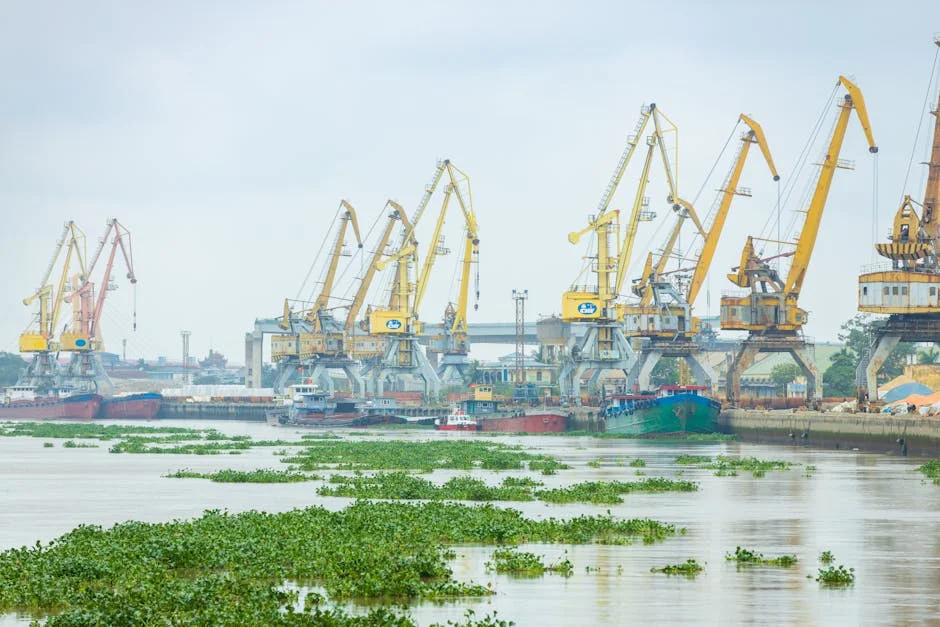
The report identifies infrastructure as the single largest bottleneck for African economic integration. Current data indicates that Africa faces an annual infrastructure investment gap of approximately $68 billion, a figure that has grown by 15 percent since the start of the decade. This deficit means that roads, railways, and power grids are not expanding fast enough to support the movement of goods and people.
In Nigeria, this translates to higher logistics costs for manufacturers in Kano and Port Harcourt. When transport costs account for nearly 40 percent of the final price of a product, African exports become less competitive in global markets compared to Asian and European rivals. The report stresses that without immediate capital injection into transport networks, the goal of creating a single continental market remains distant.
Energy access presents an even sharper challenge. The assessment reveals that while solar power adoption has surged in East Africa, many industrial hubs in West Africa still rely on expensive diesel generators. This energy inconsistency forces companies to hedge against power outages, which eats into profit margins and discourages foreign direct investment.
Power Grid Instability in Key Economies
Power grid instability in key economies like South Africa and Nigeria has reached a tipping point. The report notes that rolling blackouts in Johannesburg and Lagos cost these two economies over $10 billion in lost productivity last year alone. This is not merely a comfort issue; it is a structural barrier to industrialization.
Policy makers in Accra and Addis Ababa are now pushing for a more decentralized energy approach. The recommendation is to move away from relying solely on national grid expansions and instead incentivize local micro-grids. This shift could allow rural and semi-urban areas to access reliable power faster than traditional infrastructure projects can deliver.
Investors are beginning to respond to these signals. Renewable energy funds are increasingly targeting off-grid solutions in Kenya and Ghana, recognizing that the flexibility of local systems offers better returns in the current economic climate. However, the scale of the investment needed to replicate this success across the continent remains a major question mark for financiers.
Governance Challenges Threaten Policy Consistency
Beyond physical infrastructure, the report highlights that governance inconsistencies are undermining long-term development strategies. Frequent changes in leadership and policy direction create an environment of uncertainty that deters long-term investment. The assessment points out that while many African nations have adopted robust legal frameworks, the enforcement of these laws varies significantly from one capital city to another.
In the realm of digital governance, the report praises the rapid adoption of mobile money in East Africa but warns of a growing digital divide in Southern Africa. As governments in Kenya and Rwanda integrate digital identities for tax collection and healthcare access, some nations in the south are still struggling with basic broadband connectivity. This disparity risks leaving large swathes of the population behind in the digital economy.
Corruption remains a persistent drain on public resources. The report cites specific cases where public procurement processes in the construction sector have led to cost overruns exceeding 25 percent in several Francophone African countries. When a quarter of the infrastructure budget is lost to inefficiency and corruption, the quality of schools, hospitals, and roads inevitably suffers.
Strengthening institutional capacity is therefore a prerequisite for economic growth. The report argues that investing in the judiciary and regulatory bodies is as important as building highways. Without transparent institutions, the funds raised for development projects may not reach the intended beneficiaries, leading to public disillusionment with the benefits of integration.
Health and Education Systems Under Strain
The assessment also turns its attention to human capital, identifying health and education as sectors that are underperforming relative to demographic growth. Africa's population is projected to double by 2050, yet spending on health and education has not kept pace with this demographic explosion. This mismatch threatens to turn a potential demographic dividend into a demographic burden if the workforce is not adequately skilled and healthy.
In the health sector, the report highlights the vulnerability of African health systems to external shocks. The recent resurgence of malaria in the Sahel region and the lingering effects of the Ebola outbreak in Central Africa show that national health budgets are often too thin to handle concurrent crises. The recommendation is for greater regional cooperation in pharmaceutical procurement to reduce costs and improve stockpile management.
Education outcomes are equally concerning. The report points to a skills mismatch where graduates from universities in Cairo and Dakar often possess theoretical knowledge that does not align with the practical needs of the local labor market. This gap forces employers to invest heavily in on-the-job training, which small and medium-sized enterprises often struggle to afford.
Reforming curricula to include more vocational training and digital literacy is essential. The report suggests that countries like Ethiopia and Senegal, which have recently overhauled their secondary education systems, are seeing better employment rates for young graduates. These success stories offer a blueprint for other nations looking to boost workforce productivity.
Economic Opportunities in Green Transition
Despite the challenges, the report identifies significant opportunities in the green transition. Africa holds a disproportionate share of the world's critical minerals, including cobalt, lithium, and copper, which are essential for the global shift towards electric vehicles and renewable energy. The assessment argues that African nations must leverage these resources to secure better trade deals and attract high-value manufacturing.
Currently, much of the mineral processing happens in China and Europe, meaning Africa captures only a fraction of the final value. The report urges governments in the Democratic Republic of Congo and Zambia to implement policies that encourage local refining and value addition. This strategy could transform the mining sector from a source of raw material exports to a driver of industrial growth.
The agricultural sector also presents a major opportunity for value addition. Africa has 60 percent of the world's uncultivated arable land, yet it remains a net importer of food in many regions. By investing in irrigation and modern farming techniques, countries like Uganda and Tanzania could become breadbaskets for the continent and beyond. This would reduce food import bills and improve food security for millions of households.
Regional trade agreements are key to unlocking these opportunities. The African Continental Free Trade Area (AfCFTA) has the potential to create the world's largest single market in terms of participating countries. The report notes that initial implementation has been slow, but recent tariff reductions on key goods are beginning to stimulate cross-border commerce.
What This Means for Nigeria
For Nigeria, the report offers both warnings and pathways for growth. As the continent's most populous nation and largest economy, Nigeria's performance is a bellwether for the rest of Africa. The assessment notes that Nigeria's reliance on oil revenues has made its economy vulnerable to global price fluctuations, a trend that the report advises must be reversed through diversification.
The infrastructure gaps identified in the report are particularly acute in Nigeria. The need for improved rail connectivity between the northern agricultural belts and the southern industrial hubs is emphasized. The report suggests that completing the Lagos-Kano rail corridor could significantly reduce transport costs and boost trade between these two economic powerhouses.
Furthermore, the report highlights the importance of governance reforms in Nigeria. Strengthening the independence of regulatory bodies in the power and telecommunications sectors could attract more private investment. This would help address the energy and connectivity challenges that the report identifies as major barriers to growth.
Nigeria's role in regional security is also noted. The report argues that political stability is a prerequisite for economic integration. Efforts to secure the Sahel region and manage migration flows will have direct economic implications for Nigeria, influencing trade routes and labor mobility. A stable Nigeria contributes to a stable West Africa, which in turn supports the broader African Union goals.
Pathways to Regional Integration
The report concludes by outlining specific steps that African nations can take to accelerate integration. These steps include harmonizing customs procedures, reducing non-tariff barriers, and investing in digital infrastructure. The assessment argues that while political will is essential, technical coordination between national ministries is equally important for smooth implementation.
Regional economic communities (RECs) play a vital role in this process. The report praises the East African Community for its progress in creating a common market but notes that the West African Monetary Union needs to address exchange rate disparities. These disparities create distortions in trade, making some countries' exports more expensive than others'.
Digital integration is another area of focus. The report recommends the creation of a continental digital single market, where data flows freely across borders and digital services are standardized. This would allow tech startups in Lagos to easily expand to Nairobi and Johannesburg, fostering innovation and creating jobs for the continent's youth.
Financing this integration requires innovative financial instruments. The report suggests the use of green bonds and infrastructure funds that pool resources from multiple countries. This approach can spread the risk and make large projects more attractive to international investors. The success of the African Development Bank's recent initiatives in this area provides a model for future financing efforts.
The African Union must also strengthen its monitoring and evaluation mechanisms. Regular reporting on the implementation of the Agenda 2063 goals will help keep member states accountable. The report recommends an annual summit dedicated to reviewing progress, allowing for quick adjustments to policy frameworks based on real-time data.
Future Outlook and Key Deadlines
The report sets the stage for the upcoming African Union Summit in June 2026, where leaders will need to translate these findings into concrete policy decisions. The summit will focus on finalizing the implementation roadmap for the AfCFTA and addressing the infrastructure financing gap. Delegates from each member state will be expected to present national action plans that align with the continental goals.
Investors and policymakers should watch for announcements regarding the African Infrastructure Development Fund. The report indicates that the fund is close to launching a new $5 billion bond issuance, which will target cross-border transport and energy projects. This financial move could provide the immediate capital needed to kickstart several stalled infrastructure initiatives.
The next six months will be critical for testing the political will of African leaders. The implementation of the recommendations in this report will determine whether the continent can overcome its current development bottlenecks. Readers should monitor the progress of key projects in Nigeria, Kenya, and South Africa as indicators of the continent's broader trajectory.
As Africa navigates these challenges and opportunities, the focus must remain on inclusive growth that benefits all citizens. The report serves as a call to action for governments, businesses, and civil society to work together to build a more integrated and prosperous continent. The path forward is clear, but the speed of execution will define the success of Africa's development goals in the coming decade.