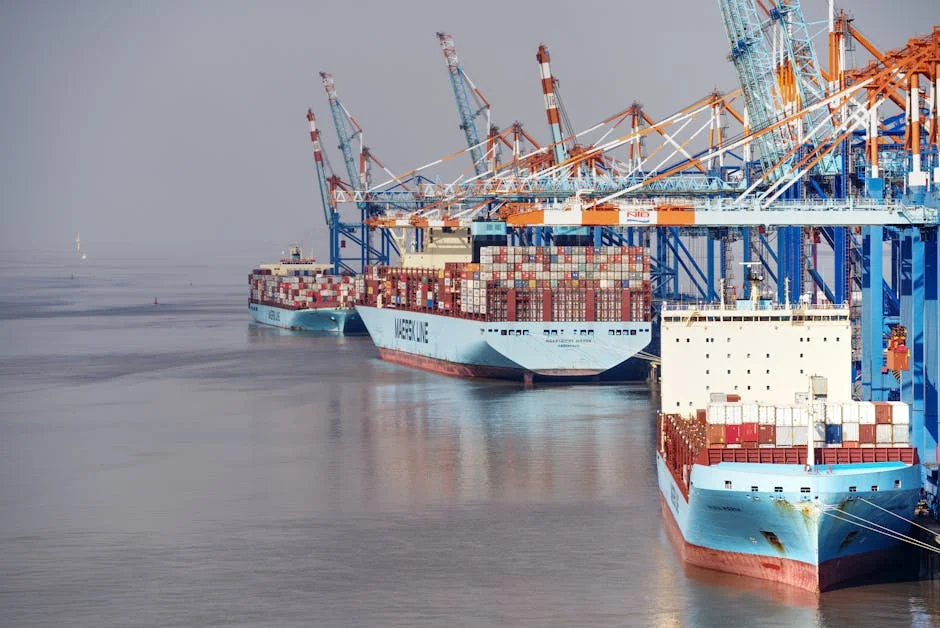
India's Ministry of External Affairs confirmed that the Indian-flagged tanker Sanmar Herald was fired upon by the Iranian navy in the Gulf of Oman on Monday, sparking immediate diplomatic concerns. The incident, captured in an audio recording released by the Indian government, included a voice stating, "You gave me clearance. You are firing now." The attack occurred near the Strait of Hormuz, a vital maritime chokepoint for global trade, raising fears of regional instability. India, a key player in African development through its partnerships with countries like Nigeria and Kenya, now faces heightened security risks in its maritime operations.
Incident Details and Immediate Response
The Sanmar Herald, a 25,000-tonne cargo ship, was en route from the United Arab Emirates to India when it was targeted by Iranian naval forces. The incident took place on Monday, May 22, in international waters near the Strait of Hormuz, a region known for frequent military activity. Indian officials confirmed that no crew members were injured, but the ship suffered minor damage. The Indian government has demanded an immediate explanation from Iran, with Foreign Minister S. Jaishankar calling the attack "provocative and unacceptable." This is the first known instance of an Indian vessel being fired upon by an Iranian naval force.

The Indian Navy has deployed a warship to the area to monitor the situation and ensure the safety of Indian-flagged vessels. A statement from the Indian Ministry of Defence said, "We are closely monitoring the situation and will take all necessary steps to protect our national interests." The incident has also led to increased scrutiny of maritime security in the region, with experts warning that tensions between Iran and regional powers could escalate further.
Regional Implications and African Development Links
The attack on the Sanmar Herald has broader implications for India's role in African development. India has long been a key partner for many African nations, particularly in infrastructure and energy projects. Countries such as Nigeria and Kenya rely on Indian investments and expertise for their economic growth. A destabilized Gulf region could disrupt supply chains and impact trade, directly affecting African economies that depend on imports from the region.
India's diplomatic ties with African nations are also at stake. The African Development Bank has previously highlighted the importance of stable regional security for development projects. A recent report by the bank noted that 60% of African trade passes through the Gulf of Oman, making it a critical corridor for economic growth. The incident has raised concerns among African leaders about the potential ripple effects of regional conflicts on their development agendas.
Moreover, the incident underscores the need for stronger regional security cooperation. The African Union has called for greater collaboration with Gulf states to ensure the safety of maritime trade routes. A statement from the AU's Peace and Security Council said, "The stability of the Gulf of Oman is crucial for African economic interests, and we urge all parties to de-escalate tensions."
Historical Context and Escalating Tensions
The incident comes amid rising tensions between Iran and Western nations, particularly the United States and the United Kingdom, over Iran's nuclear program and regional influence. In recent months, several vessels have been attacked or detained in the Gulf, with Iran denying involvement. The Sanmar Herald incident marks the first time an Indian vessel has been targeted, highlighting the growing risks for non-regional actors operating in the area.
India has maintained a delicate balance in its foreign policy, avoiding direct confrontation with Iran while maintaining economic ties. However, the attack on the Sanmar Herald could force New Delhi to reconsider its approach. The Indian government has already begun consultations with Gulf Cooperation Council (GCC) members to strengthen maritime security agreements. A senior Indian diplomat said, "We are looking at all options to ensure the safety of our vessels and to prevent further incidents."
What to Watch Next
India's response to the attack will be critical in determining the future of its maritime strategy. The Indian government is expected to announce a formal protest to the United Nations Security Council in the coming days. Additionally, the Indian Navy is preparing to conduct joint exercises with the United Arab Emirates and Saudi Arabia to bolster regional security. These steps could signal a shift in India's approach to Gulf security.
For African nations, the incident serves as a reminder of the interconnectedness of global trade and development. As the African Development Bank prepares to hold its annual meeting in Abidjan, Côte d'Ivoire, the focus will be on how regional stability impacts economic progress. The outcome of the meeting could shape future policies on infrastructure and trade security in Africa.
See Also
- Benfica Extends Ribeiro and Baptista Contracts Until 2029 — Boost for Nigerian Football Ambitions
- Iceland Proposes August Referendum on EU Membership – What It Means for Africa