Provincial authorities in the Democratic Republic of the Congo have issued a stark warning regarding the resurgent Ebola outbreak in the Ituri region. Governor Alain Damissa emphasized that immediate, coordinated intervention is required to prevent a humanitarian disaster that could destabilize the entire eastern corridor. The urgency stems from the virus’s rapid transmission in densely populated urban centers, which threatens to overwhelm fragile local health systems.
Rapid Spread in Urban Centers
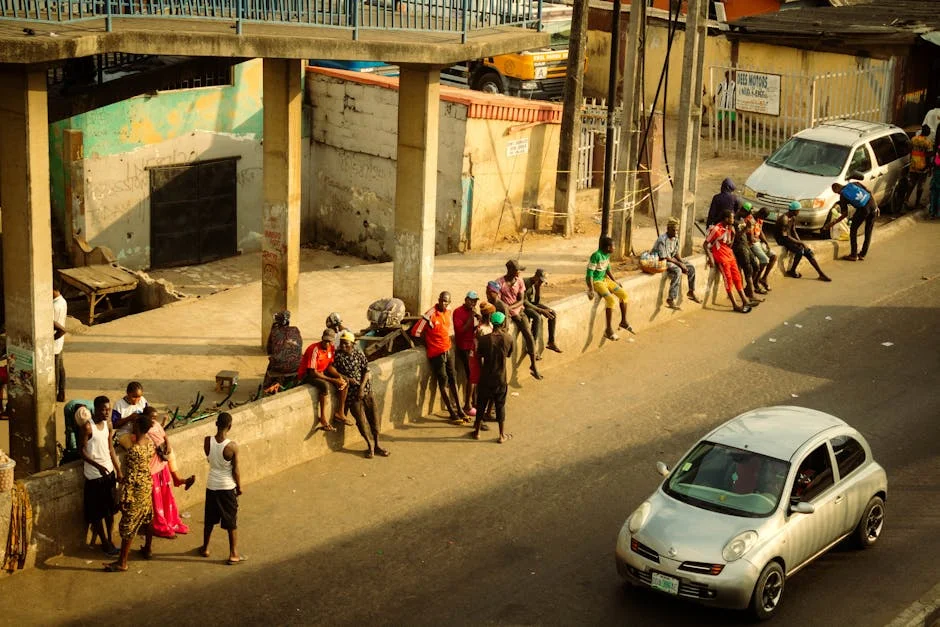
The virus has moved beyond its traditional rural strongholds and is now gripping the streets of Bunia, the capital of Ituri province. Health workers are struggling to contain the spread as cases multiply faster than the capacity of local clinics. This urban shift represents a critical turning point in the epidemic, as city living increases contact rates among the population.
Officials report that the number of confirmed cases has risen sharply in the past two weeks. The speed of transmission in Bunia challenges previous models that assumed rural isolation would slow the virus. Urban density creates a perfect storm for the Ebola virus, which relies on close physical contact for effective transmission.
Local hospitals are already stretching their resources to accommodate the influx of patients. Bed shortages are becoming a daily reality for families seeking treatment in the region. The governor stated that without immediate reinforcement, the health infrastructure will face collapse within the month.
Challenges in Ituri’s Health Infrastructure
Ituri province has long suffered from inadequate medical facilities compared to other regions in the DRC. The provincial government has struggled to maintain consistent power and water supplies, which are essential for infection control. These basic deficits make fighting a water-and-contact-borne virus like Ebola exceptionally difficult.
Critical Resource Shortages
- Shortage of personal protective equipment for frontline health workers
- Inconsistent electricity supply affecting cold storage for vaccines
- Limited number of functional isolation beds in Bunia’s main hospitals
The lack of reliable electricity is particularly damaging to the vaccination campaign. The Ebola vaccine requires a strict cold chain to remain effective, but power outages are frequent in Ituri. Health ministries are racing to deploy solar-powered fridges to keep the vaccines viable during long stretches of darkness.
Water scarcity further complicates the hygiene protocols necessary to stop the virus. Patients and health workers must wash their hands and surfaces repeatedly to reduce the viral load. In many neighborhoods in Bunia, water is only available for a few hours each day, forcing families to ration this vital resource.
Impact on Regional Stability
The Ebola outbreak in Ituri has immediate implications for the broader stability of the eastern DRC. The region already hosts thousands of refugees from neighboring countries, adding pressure on social services. A worsening health crisis could trigger new waves of displacement, pushing more people into overcrowded camps.
Security in Ituri has improved in recent years, but the health threat now rivals armed conflict as a destabilizing force. M23 rebel groups and local militia often use movement restrictions to control populations. Health workers face uncertainty as they navigate checkpoints, which can delay critical patient transfers and vaccine deliveries.
Trade routes that connect Ituri to the rest of the DRC are also at risk. If governments impose strict travel bans, the flow of goods will slow down significantly. This could drive up the price of food and fuel, affecting millions of people who rely on these supply chains for their daily livelihoods.
Health Systems Across Africa
The situation in the DRC serves as a stark reminder of the fragility of African health systems. Many countries in the continent still rely heavily on external funding to maintain basic health services. The Ebola outbreak in Ituri exposes the gaps in domestic health spending and the need for more robust national budgets.
West African nations, which were hit hard by the 2014–2016 Ebola epidemic, are watching the situation in Ituri with keen interest. Countries like Nigeria and Ghana have invested in their health infrastructure, but the DRC crisis tests the resilience of those investments. Regional cooperation is essential to prevent the virus from crossing borders again.
The African Union has called for a unified response to the outbreak, emphasizing the need for shared resources. This includes pooling diagnostic kits, vaccines, and medical personnel to support the hardest-hit areas. Such collaboration could set a precedent for how the continent handles future health emergencies.
Economic Consequences and Development Goals
The economic impact of the Ebola outbreak in Ituri extends beyond the health sector. Local businesses are feeling the strain as consumers reduce their spending to save for potential medical expenses. Markets in Bunia report a decline in foot traffic, which affects vendors who rely on daily sales to cover their costs.
Agricultural production is also at risk, as farmers worry about the virus spreading to their fields. If health workers restrict movement to contain the virus, harvests could be delayed or left in the ground. This would reduce food security and income for thousands of farming families in the region.
The outbreak threatens to derail progress toward the African Union’s Agenda 2063. This development plan aims to create a prosperous and integrated Africa, but health crises can quickly undo years of economic growth. The DRC must balance immediate health needs with long-term development goals to avoid setting back its progress.
International Response and Aid
International organizations are mobilizing to support the DRC’s fight against Ebola. The World Health Organization has deployed additional teams to Ituri to help with surveillance and case management. These teams are working closely with local health authorities to identify new cases and trace contacts.
The European Union has pledged financial support to strengthen the health infrastructure in the region. This funding will be used to build new isolation units and purchase essential medical supplies. Such investments are critical to ensuring that the health system can withstand the pressure of the outbreak.
Charities and non-governmental organizations are also playing a vital role in the response. They are providing food, water, and shelter to families affected by the virus. These organizations often reach the most vulnerable populations, filling gaps that government services struggle to cover.
Lessons for Nigeria and West Africa
Nigeria’s experience with Ebola in 2014 offers valuable lessons for the current crisis in the DRC. The country successfully contained the virus through rapid testing, isolation, and community engagement. These strategies are now being adapted for use in Ituri, where community trust is key to stopping the spread.
West African countries are also reviewing their own preparedness plans in light of the DRC outbreak. Nations like Ghana and Senegal are updating their national health strategies to include more robust surveillance systems. These measures aim to detect new cases early and respond before the virus gains a strong foothold.
Regional health agencies are coordinating efforts to share data and resources. This collaboration helps countries learn from each other’s successes and failures. By working together, West African nations can build a stronger defense against future health threats that originate in Central Africa.
Next Steps and Future Outlook
The coming weeks will be critical in determining the trajectory of the Ebola outbreak in Ituri. Health officials are focusing on accelerating the vaccination campaign and improving case detection rates. These efforts require sustained funding and political will from both local and international partners.
The DRC government has announced a new task force to coordinate the response across different sectors. This body will oversee health, security, and economic measures to ensure a holistic approach to the crisis. Its first major report is expected next month, which will outline the progress made and the challenges that remain.
Readers should watch for updates on the number of new cases in Bunia and the status of the vaccination drive. These indicators will provide early signals of whether the outbreak is under control or continuing to spread. The response in Ituri will serve as a test case for how the continent handles future health emergencies.
See Also
- South Africans Shift to Digital Platforms — Boosting Economic Participation
- Single-Dose Treatment for Sleeping Sickness Gains Approval: A Milestone for Africa