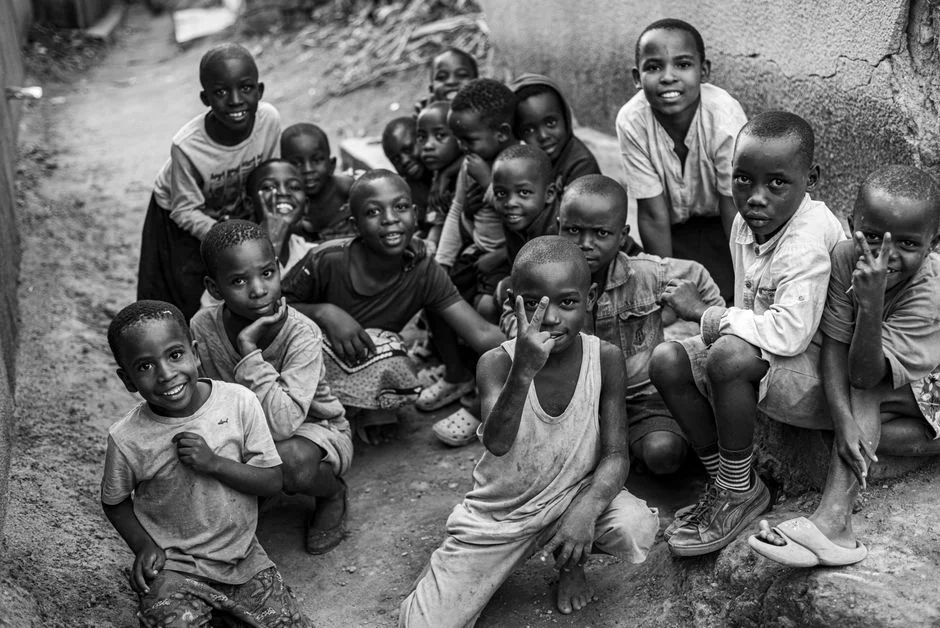
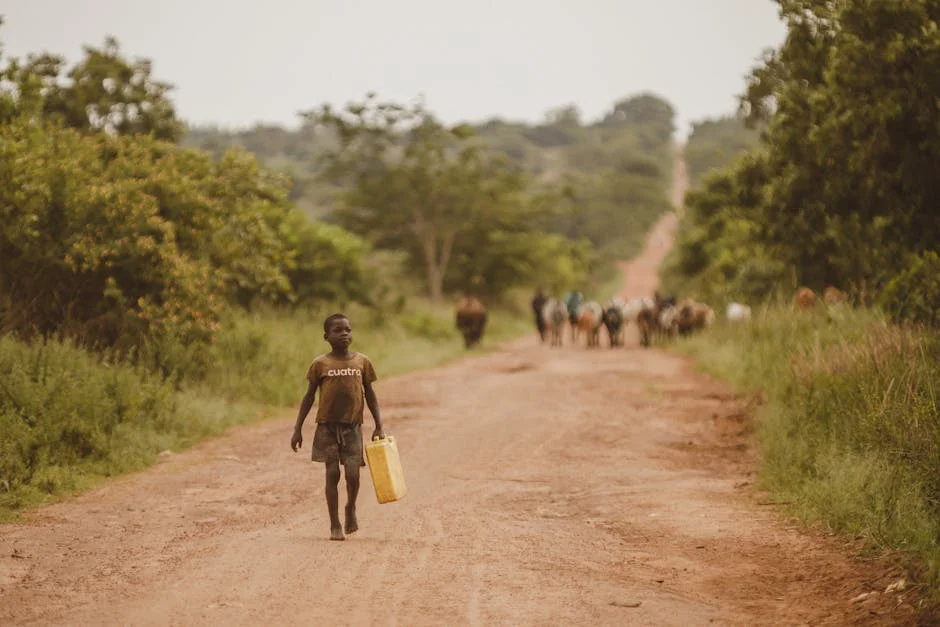
The World Health Organization (WHO) has raised alarms that the recent Ebola outbreak in Africa may be accelerating more rapidly than initially assessed. Dr. Tedros Adhanom Ghebreyesus, the WHO Director-General, stated during a press briefing on Monday that the number of confirmed cases has risen to over 300 across multiple countries, highlighting an urgent need for coordinated response efforts.
The Current Situation Across Africa
As of the latest health update, the outbreak has predominantly affected the Democratic Republic of the Congo (DRC) and neighbouring countries, where health systems are already under strain from various challenges. Public health authorities are grappling with the rapid transmission of the virus amidst limited resources and ongoing conflicts.
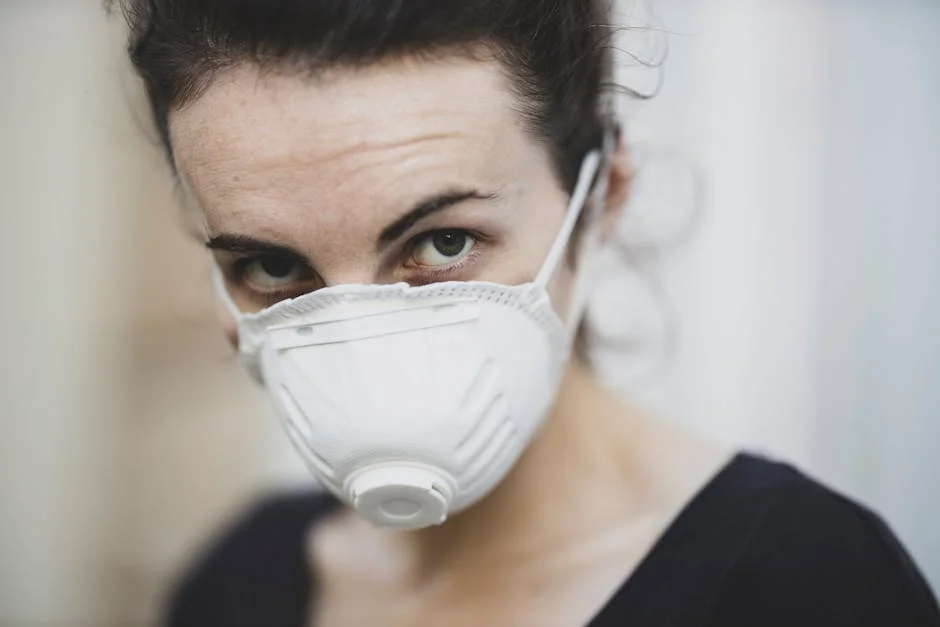
In particular, the DRC has reported 180 confirmed cases, while Guinea has noted 120. Despite progress in vaccination efforts, the resurgence of Ebola has sparked fears of widespread contagion. Dr. Ghebreyesus emphasised that the time for action is now, as every hour counts in curtailing the spread.
Health Challenges and Opportunities in Nigeria
Nigeria, which has faced its own battles with Ebola, remains on high alert. The Nigerian Centre for Disease Control (NCDC) has mobilised resources to bolster surveillance and vaccination initiatives. With over 200 million people, Nigeria’s health infrastructure must remain robust to prevent a potential outbreak.
This situation presents a critical moment for Nigeria to enhance its health systems and reinforce community engagement in disease prevention. The need for a well-funded public health infrastructure cannot be overstated, as the country navigates both health crises and economic pressures.
Continental Responses to the Crisis
African Union member states are convening to discuss unified measures against the outbreak. Initiatives include sharing resources and expertise, leveraging technology for contact tracing, and improving lab capacities across affected regions. Countries such as Senegal and Ghana are offering support to their neighbours through logistics and medical supplies.
Coordination among African nations is vital. The WHO’s support for these collaborative efforts is crucial in combatting the outbreak effectively. As countries band together, there is potential for successful outcomes even amidst widespread challenges.
Learning from Past Outbreaks
Previous experiences with Ebola in West Africa have underlined the importance of swift action and international solidarity. The 2014-2016 outbreak led to more than 11,000 fatalities and economic disruption in affected countries. Lessons learnt have sparked improvements in response strategies, yet challenges remain.
Health ministries across the continent are being urged to adopt a proactive approach, ensuring that health education and vaccine distribution are prioritised. Engaging communities will be essential in dispelling misinformation and encouraging preventive behaviours.
Future Implications and What to Watch
The WHO continues to monitor the situation closely, with the next major update expected in two weeks. Authorities are also preparing for potential international travel restrictions if the outbreak worsens. Vigilance in monitoring health trends will be imperative for Nigeria and its neighbours.
As the situation unfolds, investments in healthcare capacity and inter-country collaboration will determine the trajectory of this outbreak. Stakeholders must remain committed to achieving the African Union's health goals, which aim to strengthen health systems against such emergencies.
See Also
- Sentech Reveals Why Digital Access Alone Fails Africa’s Tech Economy
- South Africa Named World’s Friendliest Country – Here’s What It Means
As countries band together, there is potential for successful outcomes even amidst widespread challenges.Learning from Past OutbreaksPrevious experiences with Ebola in West Africa have underlined the importance of swift action and international solidarity. Engaging communities will be essential in dispelling misinformation and encouraging preventive behaviours.Future Implications and What to WatchThe WHO continues to monitor the situation closely, with the next major update expected in two weeks.