When the Ebola virus tore through West Africa a decade ago, it exposed failures that cost thousands of lives. Now, survivors and public health specialists are pointing to three principles that must guide the next response: speed, money, and compassion. Those lessons carry urgent weight for a continent still vulnerable to epidemic threats.
The Survivor Who Lived to Tell the Story
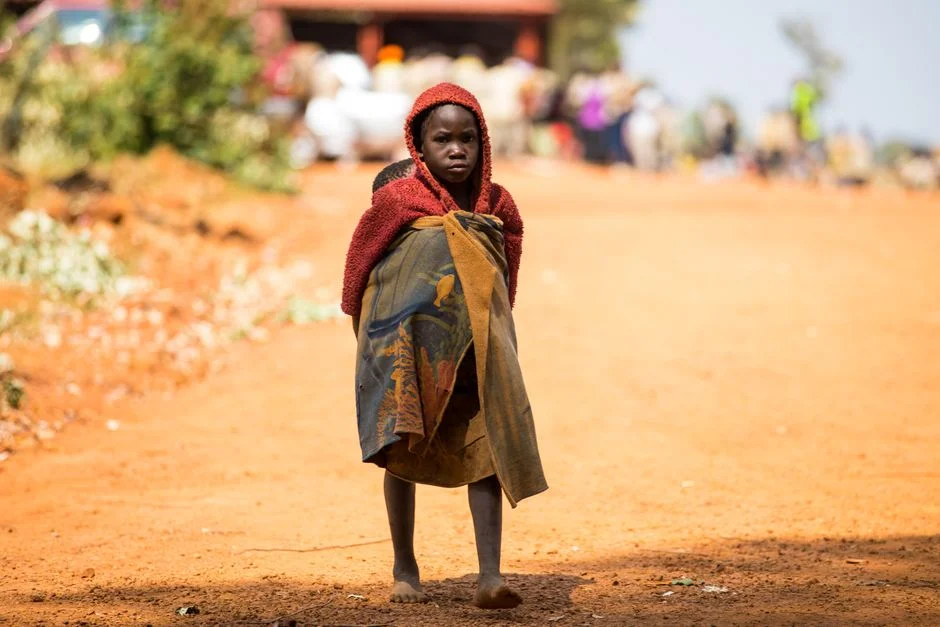
Fati was 28 when Ebola killed her husband, her mother, and three of her siblings in Sierra Leone. She survived, but the virus left her blind in one eye and struggling with chronic joint pain. Years later, she still flinches at the smell of bleach. "The world watched us die," she told aid workers during a regional health conference in Dakar last year. "They waited too long. They sent money too late. And they forgot us when the cameras left."

Her testimony echoes across ministries of health in Abuja, Accra, and Monrovia, where officials are rewriting epidemic preparedness plans. The West African outbreak, which began in 2014, infected more than 28,000 people and killed over 11,000. Those numbers haunt every emergency response drill conducted today.
Speed Saves Lives — and Delays Cost Them
Health experts who studied the 2014–2016 response consistently reach the same conclusion: the international system moved too slowly. By the time the World Health Organisation declared a public health emergency in August 2014, the virus had already spread to five countries.
Dr. John Nkengasong, who now leads the Africa Centres for Disease Control and Prevention, has said repeatedly that Africa needs its own rapid response capacity rather than waiting for outside approval. The African Union's recently established health emergency mechanism aims to deploy teams within 48 hours of a confirmed outbreak. That target matters. Every day of delay in the early stages of an epidemic multiplies the eventual death toll.
Financing Remains Africa's Weakest Link
Money arrived in waves during the Ebola crisis — billions pledged at international donors' conferences, then slow releases that frustrated health workers on the ground. The pattern exposed a structural problem: African governments struggle to access emergency health funding quickly.
The African Development Bank has since created a rapid response fund for health emergencies, but officials acknowledge that disbursement procedures still need streamlining. Guinea, Liberia, and Sierra Leone spent months waiting for promised funds during the Ebola years. Health workers went unpaid. Treatment centres opened late. Patients died in doorways.
What the Numbers Show
The World Bank estimated the Ebola outbreak cost Guinea, Liberia, and Sierra Leone an estimated $2.8 billion in economic losses. The human cost — measured in grief, disability, and shattered families — cannot be quantified. Health systems that were already fragile collapsed entirely, setting development progress back by years.
Those figures demonstrate why investing in epidemic preparedness costs far less than responding to an outbreak after it spreads. The WHO has calculated that $1 spent on preparedness returns $4 in avoided losses. Yet African nations collectively spend less than $2 per person annually on health emergency readiness.
Compassion as a Public Health Tool
Survivors and aid workers emphasise that clinical responses alone cannot contain an outbreak. Communities must trust the people treating them. During Ebola, fear and mistrust drove families underground. Patients hidden from contact tracers spread the virus unknowingly. Ritual burial practices, which require touching the dead, continued because outsiders failed to work with local leaders respectfully.
Grassroots organisations that engaged religious leaders and traditional chiefs achieved better outcomes than those that arrived with top-down directives. That insight shapes how the International Red Cross and Medicins Sans Frontieres operate today. Community health workers, trained and paid locally, now form the first line of defence against outbreaks across the Sahel and Central Africa.
What Africa Must Build Now
The next health threat will not wait for Africa to finish building its institutions. The Africa CDC has identified three priorities: regional laboratory networks that can confirm diagnoses within hours, cross-border surveillance systems that share data in real time, and stockpiles of essential medical supplies positioned across the continent rather than stored in European warehouses.
Those priorities align with the African Union's Agenda 2063, which calls for a continent capable of managing its own health emergencies. The Covid-19 pandemic demonstrated both the urgency and the difficulty of that goal. Vaccine nationalism by wealthy nations left African countries at the back of the queue. The lesson is clear: Africa must develop its own manufacturing capacity for vaccines, therapeutics, and diagnostics.
Watching the Horizon
The next disease outbreak is not a question of if but when. Climate change is expanding the range of pathogens that thrive in previously inhospitable regions. Urbanisation packs more people into crowded informal settlements where diseases spread quickly. Those trends make the lessons from West Africa less historical curiosity and more operational necessity.
African health ministers will gather in Addis Ababa this September to review progress on the continent's health emergency preparedness framework. They will hear survivors' testimonies again. They will review financing mechanisms. And they will face the same pressure that confronts every crisis response: the gap between knowing what to do and doing it fast enough to matter. Speed, money, and compassion remain the formula. Whether the continent can execute it before the next outbreak arrives will determine how many people live or die.
See Also
- Zimbabwe Launches Long-Acting HIV Prevention Drug Amidst Development Goals
- Hospital in Évora Unveils AI System to Detect Cervical Cancer — A Healthcare Revolution