South Africa has deployed a significant security force to Kruger National Park as ministers from the Southern African Development Community prepare for a critical summit. The arrival of delegates from across the continent highlights the strategic importance of regional cooperation in stabilizing Southern Africa. This gathering comes at a pivotal moment for African integration, where security and economic policy are increasingly intertwined.
Strategic Importance of the SADC Summit
The Southern African Development Community represents one of the most active regional blocs on the continent. Its members share deep economic ties, relying on cross-border trade and shared infrastructure to drive growth. The current meeting focuses on harmonizing policies to reduce friction for businesses and citizens moving between nations. Leaders recognize that without political stability, economic gains remain fragile.
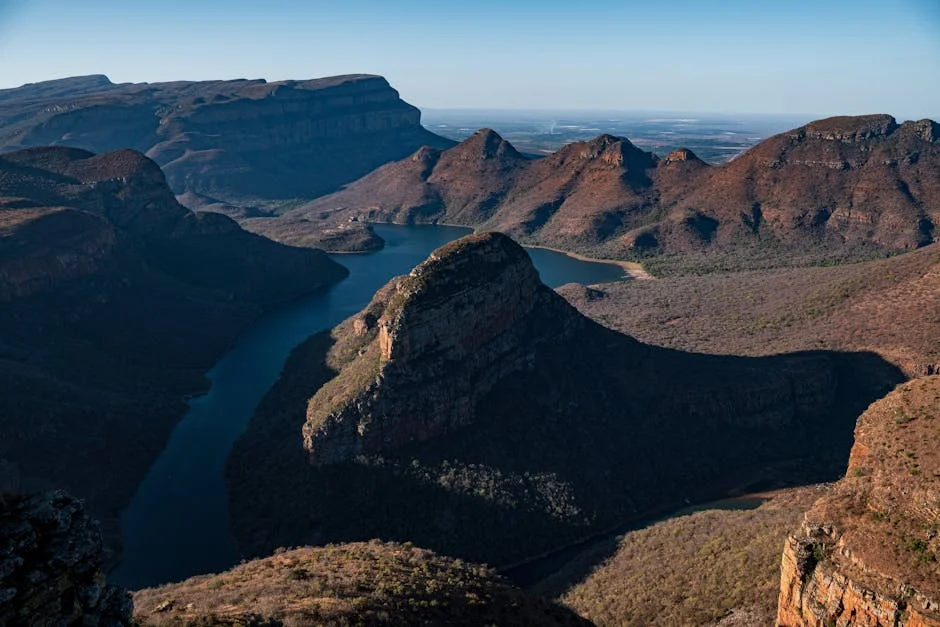
Security is no longer just a domestic issue for individual member states. Cross-border criminal networks, migration flows, and even health crises require a coordinated continental response. The decision to hold the summit in Kruger National Park is symbolic. It places the discussion of human capital and economic potential within the context of Africa's natural heritage and tourism potential.
Kruger National Park as a Diplomatic Venue
Kruger National Park is more than just a wildlife sanctuary; it is a cornerstone of South Africa's tourism industry. It attracts millions of visitors annually, generating revenue and creating jobs for local communities in Mpumalanga and Limpopo. Choosing this location signals a commitment to protecting the assets that drive the region's service sector. The park's proximity to the border with Mozambique and Zimbabwe also underscores the geographic realities of Southern African trade.
Tourism and Economic Resilience
Tourism contributes significantly to the GDP of several SADC nations. In South Africa alone, the sector employs over 7 million people directly and indirectly. Protecting this industry requires stable security conditions, which is why the heavy police presence in Kruger is a statement of intent. Ministers will discuss how to leverage tourism as a tool for poverty reduction and youth employment across the bloc.
The infrastructure surrounding Kruger has improved dramatically in recent years. New roads and airports facilitate easier access for international visitors. This development aligns with the African Union's Agenda 2063, which emphasizes integrated infrastructure to boost continental trade. The summit provides a platform to review these investments and plan future collaborations.
Regional Security Challenges
Security in Southern Africa faces multiple threats, ranging from political instability in neighboring countries to rising crime rates in urban centers. Mozambique's struggle with insurgency in the resource-rich province of Cabo Delgado has had spillover effects on the entire region. South Africa has played a leading role in the peacekeeping mission, demonstrating the practical application of SADC defense mechanisms.
For Nigeria, observing these dynamics offers valuable insights into managing regional security architectures. While geographically distant, Nigeria and South Africa share similar challenges in maintaining stability amidst rapid urbanization and economic diversification. The efficiency of SADC's security response can serve as a model or a cautionary tale for other African regional bodies like ECOWAS.
The deployment of security forces in Kruger is not merely ceremonial. It involves intelligence sharing and joint patrols with neighboring countries. This level of coordination is essential for tackling transnational crimes such as poaching, which threatens both biodiversity and local economies. The ministers will review the effectiveness of these joint operations and identify gaps in the current framework.
Economic Integration and Trade
Economic integration remains a primary goal for the SADC bloc. The Free Trade Area aims to remove tariffs and non-tariff barriers to encourage intra-regional trade. However, implementation has been uneven, with some countries struggling to adapt their domestic industries to the new competitive landscape. The summit will address these discrepancies and propose mechanisms to support smaller economies.
Infrastructure development is critical to realizing the full potential of the SADC Free Trade Area. The Maputo Corridor, which connects South Africa, Mozambique, and Zimbabwe, is a key artery for goods movement. Investments in this corridor have already begun to yield results, reducing transport costs and delivery times. Ministers will discuss further upgrades to enhance connectivity and reduce logistical bottlenecks.
Agriculture is another sector where regional cooperation can drive significant growth. Southern Africa has the potential to become a net exporter of food, reducing reliance on imports from Europe and Asia. This requires coordinated policies on water management, seed technology, and market access. The summit will feature sessions dedicated to agricultural modernization and food security.
Implications for Nigerian Policy
Nigeria, as a continental giant, watches regional developments in Southern Africa with keen interest. The success or failure of SADC's integration efforts offers lessons for Nigeria's own regional leadership within the Economic Community of West African States. Both regions face the challenge of balancing national sovereignty with the need for collective action.
Security cooperation is particularly relevant for Nigeria. Just as South Africa leads security efforts in Southern Africa, Nigeria often takes the lead in West Africa through initiatives like the Lake Chad Basin Commission. The strategies employed by SADC in Kruger can inform Nigerian approaches to border management and intelligence sharing. Learning from Southern Africa's experiences can help Nigeria refine its own security architecture.
Furthermore, the focus on tourism in Kruger highlights an underutilized asset for many African nations. Nigeria has vast natural and cultural heritage sites that could attract millions of visitors if properly developed and secured. The SADC ministers' discussion on tourism infrastructure provides a blueprint for Nigerian policymakers looking to boost the sector. Investing in tourism can diversify the economy and reduce dependence on oil revenues.
Future of African Regionalism
The SADC summit in Kruger is a microcosm of broader trends in African regionalism. There is a growing recognition that no single country can solve its problems in isolation. From health crises to climate change, the challenges facing the continent are interconnected. This realization is driving deeper cooperation and more ambitious joint initiatives.
The African Continental Free Trade Area (AfCFTA) is the largest single market in Africa by number of countries. Its success depends on the effectiveness of regional blocs like SADC, ECOWAS, and the East African Community. The policies agreed upon in Kruger will influence the implementation of AfCFTA in Southern Africa. This, in turn, affects the broader continental economic landscape.
Observers will be watching to see if the ministers can reach consensus on key issues. The diversity of political and economic systems within SADC can sometimes lead to friction. However, the shared goal of stability and prosperity provides a strong foundation for compromise. The outcome of this summit will set the tone for regional cooperation in the coming years.
Next Steps and What to Watch
The ministers are expected to issue a joint declaration outlining their priorities for the next year. This document will guide the work of the SADC Secretariat and influence national policies in member states. Stakeholders should monitor the specific commitments made regarding security funding and infrastructure investment.
Following the summit, there will be a series of bilateral meetings between South Africa and other member states. These discussions will likely focus on trade agreements and energy partnerships. The energy sector is particularly important, with South Africa looking to expand its renewable energy exports to neighboring countries.
Readers should keep an eye on the implementation of the decisions made in Kruger. The true test of regional cooperation lies in execution. Will the security measures in Kruger translate into broader regional stability? Will the trade agreements lead to tangible economic benefits for ordinary citizens? The answers to these questions will determine the success of the SADC summit and its impact on African development goals. The next major review of progress is scheduled for the annual heads of state summit in Gaborone, where these ministerial decisions will be elevated to the highest level of political commitment.
See Also
- Nigeria Police Threaten Arrests as Anti-South Africa Fury Reaches Lagos
- Gilead Under Fire for Withholding HIV Drug Lenacapavir in Africa