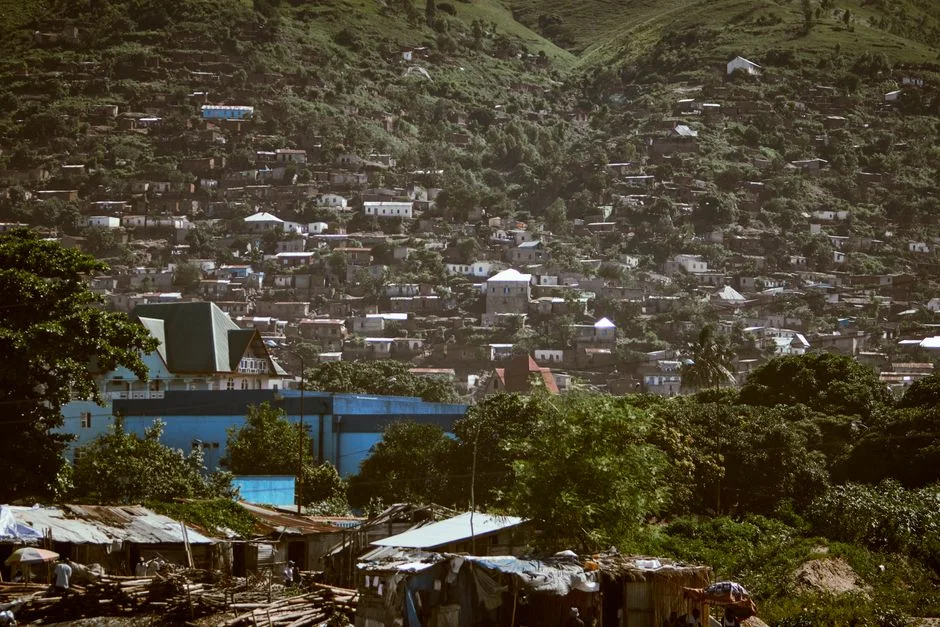
The World Health Organization has issued a stark warning that the current Ebola outbreak is spreading faster than initial projections suggested. This acceleration poses a direct threat to the fragile health systems across West and Central Africa. The urgency of the situation demands immediate attention from national governments and continental bodies alike.
Rapid Transmission in Key Regions
Health officials in Guinea and the Democratic Republic of Congo have reported a surge in confirmed cases over the past fortnight. The virus is moving through both rural villages and urban centers with alarming speed. This pattern of transmission challenges the traditional containment strategies used in previous epidemics.
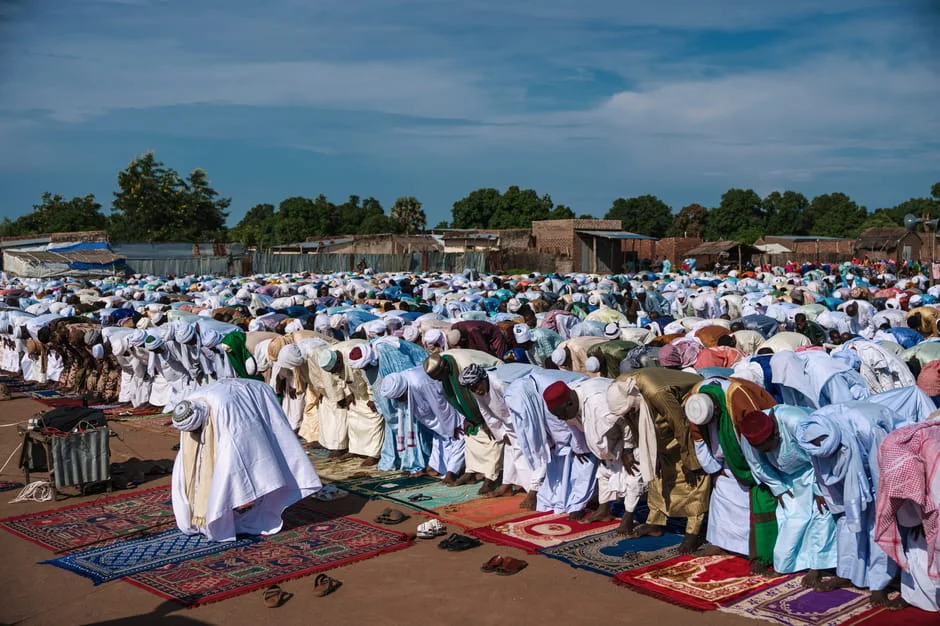
In Monrovia, the capital of Liberia, health workers are struggling to keep pace with the influx of patients. The city's main referral hospital has reported a 30% increase in daily admissions this week alone. Such rapid growth in case numbers strains the available medical supplies and staffing levels.
Urban Spread Complicates Containment
Urban areas present unique challenges for controlling the spread of Ebola. High population density and informal settlement structures make social distancing difficult to enforce. The movement of workers between cities and villages further accelerates the viral spread.
Authorities in Lagos, Nigeria, are closely monitoring border crossings in response to these developments. The Nigerian Centre for Disease Control has increased screening protocols at major entry points. This proactive measure aims to prevent the virus from establishing a foothold in the West African economic giant.
Threat to Continental Development Goals
This health crisis intersects directly with the African Union’s Agenda 2063 development framework. Health security is a cornerstone of sustainable economic growth and social stability across the continent. An unchecked outbreak could reverse years of progress in poverty reduction and education.
Economic activities in affected regions are already showing signs of slowdown. Market traders in Conakry have reported a decline in customer footfall as fear grips the local population. Small businesses, which form the backbone of the informal economy, face potential collapse without government intervention.
The potential for cross-border economic disruption is significant. Trade routes connecting Nigeria, Ghana, and Côte d’Ivoire could be impacted by travel restrictions and border closures. Such measures, while necessary for health, can stifle the free movement of goods and labor essential for regional integration.
Infrastructure Gaps Exposed
The rapid spread of Ebola highlights critical gaps in Africa's health infrastructure. Many clinics in rural areas lack basic isolation units and personal protective equipment. These deficiencies make it difficult to detect and treat cases early in the epidemic curve.
Dr. Tedros Adhanom Ghebreyesus, the Director-General of the World Health Organization, emphasized the need for robust health systems. He noted that fragmented health services often lead to delayed responses to emerging threats. Strengthening primary healthcare is not just a medical necessity but an economic imperative.
Investment in health infrastructure must become a priority for African governments. The current outbreak serves as a stark reminder of the consequences of underinvestment. Without adequate facilities, even well-designed vaccination campaigns can struggle to reach the most vulnerable populations.
Nigeria's Strategic Response
Nigeria’s response to the potential spread of Ebola is being viewed as a test case for regional health resilience. The country has deployed rapid response teams to key border states like Benue and Taraba. These teams are tasked with contact tracing and community engagement to build local trust.
The Nigerian government has also allocated additional funds to the National Health Insurance Authority. This move aims to improve access to healthcare for millions of citizens who previously relied on out-of-pocket payments. Expanding health coverage is seen as a key strategy to reduce the financial burden on households during an outbreak.
Public health messaging is another critical component of Nigeria’s strategy. Radio and television broadcasts in local languages are being used to educate communities about symptoms and prevention. This multi-channel approach aims to combat misinformation and encourage early reporting of cases.
Regional Cooperation and Data Sharing
Effective management of the Ebola outbreak requires unprecedented levels of regional cooperation. The Economic Community of West African States (ECOWAS) has convened emergency meetings to coordinate responses. Member states are sharing real-time data on case numbers and resource availability.
Data transparency is crucial for making informed decisions about travel and trade restrictions. The African CDC has launched a digital dashboard to track the outbreak’s progression across the continent. This tool allows policymakers to visualize trends and allocate resources more efficiently.
Collaboration between African nations also extends to the procurement of medical supplies. By pooling their purchasing power, countries can negotiate better prices for vaccines and testing kits. This collective bargaining approach helps to mitigate the financial impact of the outbreak on individual national budgets.
Long-Term Health Security Strategies
The current Ebola outbreak offers valuable lessons for long-term health security planning. African nations must move beyond reactive measures and invest in preventive infrastructure. This includes building regional treatment centers and establishing strategic stockpiles of essential medical goods.
Education and workforce development are also critical components of a resilient health system. Training more nurses, midwives, and community health workers will improve the capacity to respond to future outbreaks. These investments yield dividends long after the immediate crisis has subsided.
Furthermore, integrating health data with economic indicators can provide a more holistic view of the outbreak’s impact. This approach allows governments to tailor their economic support packages to the specific needs of affected sectors. Such targeted interventions can help to minimize the long-term economic scars of the epidemic.
What To Watch Next
The coming weeks will be critical in determining the trajectory of the Ebola outbreak. Stakeholders should monitor the weekly case reports from the World Health Organization for signs of stabilization or acceleration. Particular attention should be paid to the performance of vaccination campaigns in the most affected regions.
Investors and policymakers should also watch for announcements regarding additional funding from international financial institutions. The International Monetary Fund and the World Bank are likely to announce new facilities to support African economies during this health crisis. These funds will be crucial for sustaining public health interventions and supporting vulnerable households.
Finally, the effectiveness of border management strategies will be a key indicator of regional cooperation. If travel restrictions are implemented too late or lifted too early, the risk of a second wave increases. Continuous dialogue between neighboring countries will be essential to balance health security with economic vitality.