On May 17, 2026, the world acknowledges the International Day Against Homophobia, Biphobia, and Transphobia. This day serves as a vital platform to advocate for LGBTQ rights globally. As countries like Nigeria grapple with human rights challenges, the role of international embassies becomes increasingly significant in shaping attitudes and policies towards inclusivity.
Embracing Change: The Role of Embassies
In Nigeria, where societal norms often clash with the principles of equality, embassies from various nations are stepping up their efforts. The U.S. Embassy in Abuja has been particularly vocal, urging Nigerian authorities to adhere to international human rights standards. Their campaigns aim to raise awareness about the detrimental effects of homophobia and discrimination.
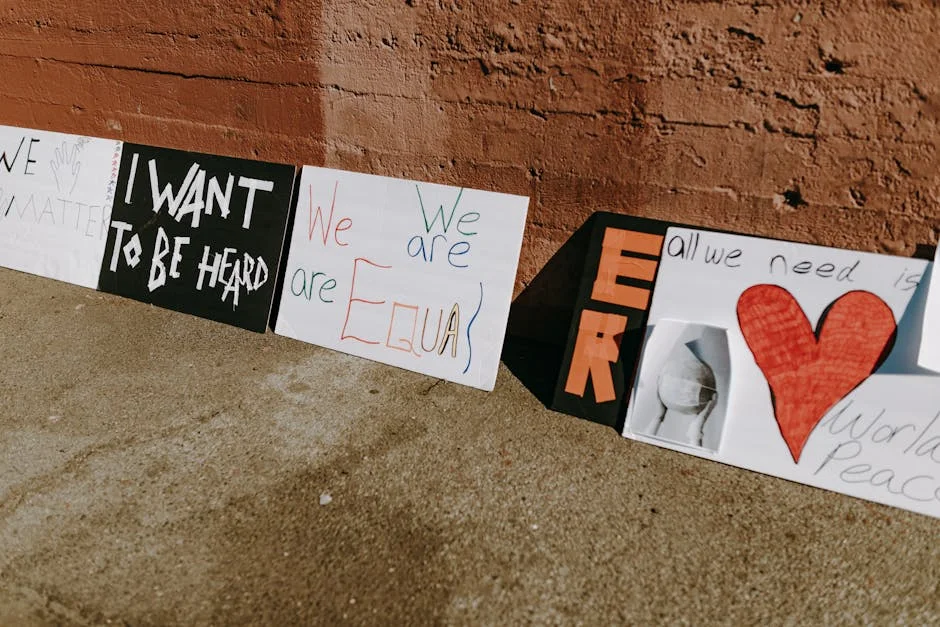
According to the Equal Rights Coalition, an international network dedicated to promoting LGBTQ rights, over 70 countries still criminalise same-sex relationships, with Nigeria among the most restrictive. The Coalition's recent report highlights that countries with active embassy engagement demonstrate a tangible shift towards more inclusive policies.
Equal Rights Coalition's Initiatives in Nigeria
The Equal Rights Coalition has launched several initiatives aimed at fostering dialogue around LGBTQ rights in Nigeria. Their latest project, 'Voices of the Marginalised', seeks to amplify the stories of LGBTQ individuals who face discrimination. This initiative not only highlights the challenges faced by the community but also encourages embassies to engage in meaningful discussions with local governments.
As part of its strategy, the Coalition is collaborating with local NGOs to provide support and resources for LGBTQ advocacy in Nigeria. This partnership aims to create a safe space for dialogue and promote understanding within the broader society.
Challenges Facing LGBTQ Rights in Nigeria
Despite these initiatives, the landscape for LGBTQ rights in Nigeria remains fraught with challenges. Same-sex relationships are illegal, and those caught can face imprisonment of up to 14 years. This legal backdrop has contributed to a culture of fear, making it difficult for LGBTQ individuals to advocate for their rights.
Moreover, societal stigma often leads to violence against LGBTQ individuals, further complicating the efforts of embassies and advocacy groups. In 2025, reports indicated a significant rise in hate crimes against LGBTQ people, underscoring the urgent need for protective measures and legislative change.
Opportunities for Development
Advocating for LGBTQ rights is not only about social justice; it is also linked to broader development goals in Nigeria. Promoting inclusivity can lead to enhanced economic growth, improved health outcomes, and greater educational opportunities. The World Bank has noted that inclusive societies tend to be more prosperous and stable.
Furthermore, the African Union's Agenda 2063 emphasises the importance of human rights and gender equality, suggesting that advancements in LGBTQ rights could align with continental objectives. By addressing these issues, Nigeria has the potential to enhance its global standing and attract foreign investment.
What to Watch Next
As the International Day Against Homophobia, Biphobia, and Transphobia approaches, attention will turn to the actions of Nigerian authorities in response to international pressure. The upcoming meetings of the Equal Rights Coalition and their engagements with embassies will be pivotal in shaping future strategies. Observers expect that 2026 could mark a turning point for LGBTQ rights advocacy in Nigeria, as both local and international stakeholders intensify their efforts.
See Also
- Cuba's Blackout Sparks Fears of Wider Energy Crisis
- Groww's Bansal Warns of Derivatives Surge in Nigeria