Whale strikes off the coast of South Africa have surged to critical levels, forcing maritime authorities to impose stricter speed limits on commercial vessels. This development places a direct financial burden on shipping companies while highlighting the ecological vulnerability of the Cape Agulhas route. The tension between rapid economic growth and environmental preservation is intensifying across the continent.
Scientists at the University of Cape Town have confirmed that the number of whale collisions has increased by 30 percent over the last five years. This data compels regulators to act swiftly to prevent the extinction of local species. The economic implications for trade routes passing through the Cape of Good Hope are now under intense scrutiny.
Rising Collision Rates Threaten Marine Life
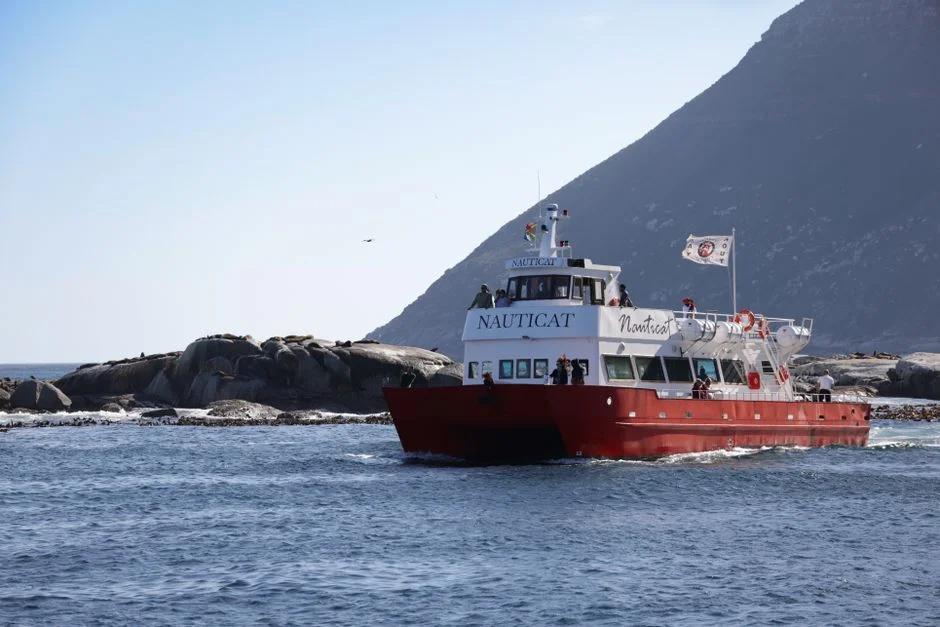
The waters surrounding the Cape of Good Hope serve as a critical corridor for global trade, connecting Europe and Asia with Africa. However, this strategic location has become a death trap for migrating whales. Large container ships traveling at speeds exceeding 20 knots are increasingly striking these marine giants.
Researchers from the South African Whale and Dolphin Group have documented a sharp rise in fatal collisions. The humpback whale population, which has seen a gradual recovery, faces renewed threats from this surge in maritime traffic. These findings challenge the assumption that economic activity and biodiversity can coexist without intervention.
The primary concern is the sheer volume of cargo moving through this narrow sea lane. With over 2,000 ships passing annually, the statistical probability of a strike increases with every vessel. This trend underscores the need for data-driven policy decisions to protect the region's ecological heritage.
New Regulations Impose Speed Limits
In response to the mounting evidence, the South African Department of Transport has introduced mandatory speed reductions for large vessels. Ships carrying more than 200 gross tons must now slow down to 10 knots during peak whale migration seasons. This measure aims to reduce the kinetic energy of impact, giving whales more time to react and escape.
Impact on Shipping Companies
Shipping giants operating out of Cape Town have expressed mixed reactions to the new rules. While some welcome the clarity provided by the regulations, others worry about the increased fuel costs and delayed delivery times. These operational changes could raise freight costs for goods moving between continents.
The financial impact extends beyond South Africa, affecting international supply chains that rely on the Cape route. Companies must now factor in additional days at sea, which translates to higher inventory holding costs. This shift forces logistics managers to reconsider their routing strategies and budget allocations.
Despite the initial financial strain, many industry leaders acknowledge the long-term benefits of preserving the marine ecosystem. A healthy ocean supports fisheries and tourism, which are vital components of the regional economy. Balancing short-term costs with long-term sustainability is a key challenge for stakeholders.
Ecological Consequences for the Region
The ecological impact of whale strikes extends beyond the loss of individual animals. Whales play a crucial role in the marine food web, influencing nutrient cycling and fish populations. A decline in whale numbers could disrupt the balance of the entire ecosystem, affecting biodiversity and fishery yields.
Conservationists argue that the Cape Agulhas Bank is one of the most productive marine areas in the world. Protecting this region is essential for maintaining the health of the ocean and supporting local communities that depend on fishing. The surge in whale strikes threatens this delicate balance.
The loss of whale populations also has cultural significance for the people of South Africa. Whales are iconic symbols of the coast, attracting tourists and inspiring local art and literature. Preserving these marine mammals is not just an environmental issue but also a cultural imperative.
Economic Trade-Offs for African Development
The situation in South Africa offers a broader lesson for African development. As the continent seeks to integrate into the global economy, it must manage the environmental costs of growth. The Cape whale strike crisis illustrates the tension between economic opportunity and ecological preservation.
African nations are increasingly looking to leverage their coastal resources for economic gain. Ports and shipping routes are critical infrastructure for trade, but they also exert pressure on marine ecosystems. Finding a balance between these competing interests is a key challenge for policymakers.
The economic model that prioritizes short-term gains over long-term sustainability is becoming less viable. Countries must invest in green infrastructure and sustainable practices to ensure that development does not come at the expense of the environment. This shift requires political will and financial commitment.
For Nigeria and other West African nations, the lessons from South Africa are relevant. As Lagos and other ports expand, they face similar pressures from maritime traffic. Learning from the Cape experience can help these countries avoid common pitfalls and develop more resilient coastal economies.
Continental Challenges and Opportunities
The whale strike crisis highlights the interconnectedness of African economies and ecosystems. Climate change, pollution, and overfishing are all contributing to the vulnerability of marine life. Addressing these challenges requires a coordinated continental approach.
Opportunities exist for African nations to collaborate on marine conservation and sustainable shipping. By sharing data and best practices, countries can develop more effective policies and reduce the environmental impact of trade. This collaboration can also enhance the continent's bargaining power in global negotiations.
The rise of green shipping technologies offers a pathway to reduce emissions and minimize whale strikes. Electric and hybrid vessels, as well as optimized routing algorithms, can help lower the environmental footprint of maritime transport. Investing in these technologies can drive innovation and create new jobs.
Furthermore, eco-tourism presents a significant economic opportunity for coastal communities. By preserving whale populations, countries can attract tourists and generate revenue that supports local development. This approach aligns economic incentives with conservation goals, creating a win-win situation.
Global Implications for Trade Routes
The Cape of Good Hope is a critical node in the global supply chain. Disruptions to this route can have ripple effects on trade flows and prices worldwide. The new speed limits in South Africa may lead to slight delays, but they also signal a broader trend toward sustainable shipping.
International shipping companies are increasingly under pressure to adopt greener practices. The regulations in South Africa set a precedent that other countries may follow. This could lead to a harmonization of speed limits and emission standards across key maritime corridors.
The global community is watching to see how South Africa manages this balance. Success in the Cape could inspire similar initiatives in other regions, such as the Gulf of Guinea and the Red Sea. This would contribute to a more sustainable global shipping industry.
Investors are also taking note of the environmental risks associated with shipping. Companies that fail to adapt to new regulations may face higher costs and reduced competitiveness. This financial pressure is driving innovation and encouraging companies to invest in sustainable technologies.
Future Steps for Conservation Policy
The implementation of speed limits is just the beginning of a broader conservation strategy. South Africa plans to expand its whale watching zones and introduce dynamic routing systems that adjust to real-time whale sightings. These measures aim to further reduce the risk of collisions.
Monitoring and enforcement will be critical to the success of these policies. Authorities will use satellite tracking and acoustic monitoring to ensure compliance. This data will also help refine the regulations and improve their effectiveness over time.
Public awareness campaigns will play a vital role in engaging stakeholders and building support for conservation efforts. Educating the public about the importance of whales and the impact of shipping can foster a culture of stewardship. This social capital is essential for sustaining long-term policy changes.
Looking ahead, the focus will shift to integrating these conservation measures into broader economic planning. Governments will need to coordinate with port authorities, shipping companies, and environmental groups to create a cohesive strategy. This collaboration will be key to achieving sustainable development goals.
The next major policy review is scheduled for late next year, where officials will assess the initial impact of the speed limits. Stakeholders should watch for adjustments to the route maps and potential expansions of the protected zones. This ongoing process will determine the long-term viability of the conservation efforts.
Frequently Asked Questions
What is the latest news about south africa halts ships to save whales trade cost revealed?
Whale strikes off the coast of South Africa have surged to critical levels, forcing maritime authorities to impose stricter speed limits on commercial vessels.
Why does this matter for health-medicine?
The tension between rapid economic growth and environmental preservation is intensifying across the continent.
What are the key facts about south africa halts ships to save whales trade cost revealed?
This data compels regulators to act swiftly to prevent the extinction of local species.