The May 15, 2026, edition of Africa Today delivers a stark assessment of the continent's progress toward its 2026 development milestones. This daily briefing highlights critical failures in infrastructure and governance that threaten to stall economic growth across key markets. Readers in Nigeria must pay close attention to these findings as they directly impact local investment and policy decisions.
The report emphasizes that without immediate corrective action, the promise of the African Continental Free Trade Area remains elusive. It is not just a regional update; it is a diagnostic tool for understanding why Africa matters in the global economic landscape. The data presented challenges the optimistic narratives often pushed by political leaders in Addis Ababa and beyond.
Infrastructure Deficits Threaten Trade Goals
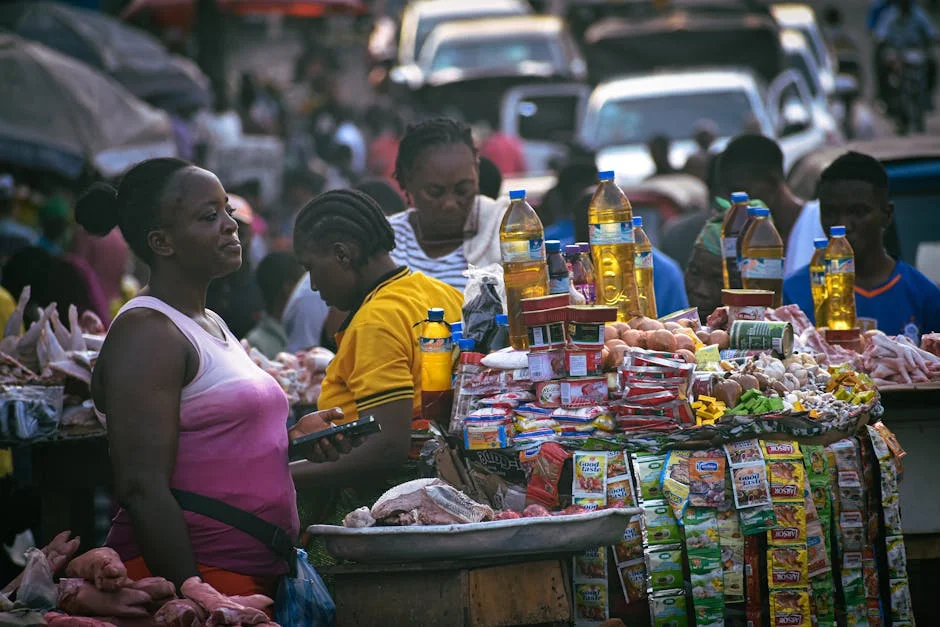
The latest Africa Today general update reveals that only 35% of the projected infrastructure investments have been realized this year. This shortfall is particularly acute in transportation networks connecting landlocked nations to coastal ports. Nigeria faces a direct consequence of this delay, as the Lagos port congestion has increased by 12% since January.
These delays are not merely logistical inconveniences; they are economic drains that erode competitiveness. The report cites specific bottlenecks in the Corridor 6 route, which links Nigeria to Cameroon and Chad. Without upgrading these roads and railways, the cost of doing business remains disproportionately high for African manufacturers.
Investors are beginning to pull back from projects that lack clear government backing. The uncertainty surrounding toll collection and maintenance funds has created a risk premium that deters foreign direct investment. This trend is visible in the slowing pace of construction in the Kano-Kaduna railway expansion project.
Governance Challenges Undermine Policy Implementation
Beyond physical infrastructure, Africa Today exposes deep governance issues that hinder development. Corruption in public procurement continues to siphon off an estimated 20% of annual budgets in several key economies. The report names specific ministries in West Africa that have failed to audit their capital expenditure effectively.
This lack of transparency directly affects how Africa affects Nigeria, as cross-border trade relies on predictable regulatory environments. When neighboring countries suffer from bureaucratic inefficiencies, the spillover effects are felt in Lagos and Abuja. Importers face unpredictable customs delays that disrupt supply chains and inflate consumer prices.
The briefing also highlights the need for stronger judicial independence to enforce contracts. Without reliable legal frameworks, investors remain hesitant to commit long-term capital to the region. This governance gap is one of the most significant barriers to achieving the continent's industrialization targets by 2030.
Health and Education: The Human Capital Crisis
The report dedicates a significant section to the state of human capital development across the continent. Health systems in many African nations are still reeling from post-pandemic fatigue, with vaccination rates dropping in key demographics. The Ministry of Health in Nigeria has acknowledged that maternal mortality rates have plateaued despite increased funding.
Education systems face a similar crisis, with teacher shortages and outdated curricula limiting workforce productivity. The Africa Today latest news segment points out that only 40% of secondary school graduates possess the digital skills required for the modern economy. This skills gap threatens to leave Africa behind in the global technological race.
Addressing these human capital deficits requires coordinated action between governments and the private sector. Public-private partnerships in education and health have shown promise but remain underutilized. The report calls for a renewed focus on vocational training to bridge the gap between academic output and market needs.
Economic Growth Faces External Shocks
External economic factors continue to exert pressure on African economies, according to the Africa Today general update. Fluctuations in global oil prices and interest rates in the US and Europe have created volatility in African currency markets. The Nigerian Naira has experienced renewed pressure, impacting the purchasing power of the average citizen.
The report warns that inflationary trends are likely to persist if monetary policies are not tightly managed. Central banks across the continent are facing the difficult task of balancing growth with price stability. This economic uncertainty makes it harder for governments to fund the very infrastructure projects needed for long-term development.
Trade imbalances also remain a concern, with many African nations still relying heavily on commodity exports. Diversifying economies requires strategic investments in manufacturing and services, but progress has been slower than anticipated. The Africa Today analysis suggests that without diversification, African economies will remain vulnerable to external shocks.
Opportunities in Renewable Energy Transition
Despite the challenges, the report identifies significant opportunities in the renewable energy sector. Africa possesses some of the world's best solar and wind resources, which remain largely untapped. The potential for energy independence is a major selling point for investors looking to diversify their portfolios.
Several countries have launched ambitious renewable energy projects aimed at reducing reliance on diesel generators. In Nigeria, the Solar Home System initiative has provided power to over two million households in rural areas. This decentralization of energy supply is a model that other African nations are beginning to emulate.
The transition to green energy also offers a chance to leapfrog traditional infrastructure development. By investing in smart grids and distributed energy resources, African cities can avoid the congestion and pollution of their European counterparts. This opportunity aligns with broader climate goals and offers a path to sustainable economic growth.
Digital Innovation as a Growth Engine
The digital economy continues to be a bright spot in the African development landscape. Fintech, e-commerce, and digital health startups are driving innovation and creating jobs across the continent. The Africa Today latest news highlights the rapid growth of mobile money transactions in East and West Africa.
Nigeria remains a key player in this digital revolution, with Lagos emerging as a major tech hub. The influx of venture capital into Nigerian startups has increased by 25% in the first quarter of 2026. This investment is fueling innovation in sectors ranging from agriculture to logistics.
However, the digital divide remains a challenge, with rural areas often left behind in the connectivity race. Expanding broadband infrastructure is essential to ensuring that the benefits of digital innovation reach all segments of the population. The report calls for targeted policies to bridge this gap and unlock the full potential of Africa's digital economy.
Regional Integration Remains Elusive
The African Continental Free Trade Area (AfCFTA) was designed to boost intra-African trade and create a single market. However, the Africa Today general update notes that implementation has been slower than expected. Non-tariff barriers and logistical challenges continue to hinder the free flow of goods and services.
Nigeria's role in the AfCFTA is pivotal, given its large consumer market and manufacturing base. However, protectionist policies in some sectors have created friction with trading partners. The report suggests that a more coordinated approach to tariff reductions and standards harmonization is needed to maximize the benefits of the agreement.
Regional economic communities play a crucial role in facilitating this integration. The Economic Community of West African States (ECOWAS) has made progress in reducing border delays, but more work is needed. Strengthening regional institutions will be key to ensuring that the AfCFTA delivers on its promise of economic transformation.
What to Watch in the Coming Months
As we move forward, the focus should be on the implementation of key policy reforms identified in the Africa Today report. The upcoming fiscal year will test the resolve of governments to address infrastructure and governance deficits. Investors and policymakers alike will be watching for concrete actions rather than rhetorical commitments.
The next quarterly update from Africa Today is expected to provide further insights into the progress made on these critical development goals. Readers should monitor the specific metrics related to infrastructure investment and governance transparency. These indicators will provide a clearer picture of whether Africa is on track to achieve its 2026 milestones.
For Nigeria, the coming months will be crucial in determining the direction of its economic trajectory. The decisions made by the federal government on infrastructure spending and regulatory reform will have lasting impacts on growth and competitiveness. Staying informed through reliable sources like Africa Today is essential for navigating this complex development landscape.
See Also
- Shell Kept Nigeria Pipeline Running for Years After Internal Pollution Alerts — Report
- Nigeria's Tax Hauls Surge as May Collections Beat Expectations