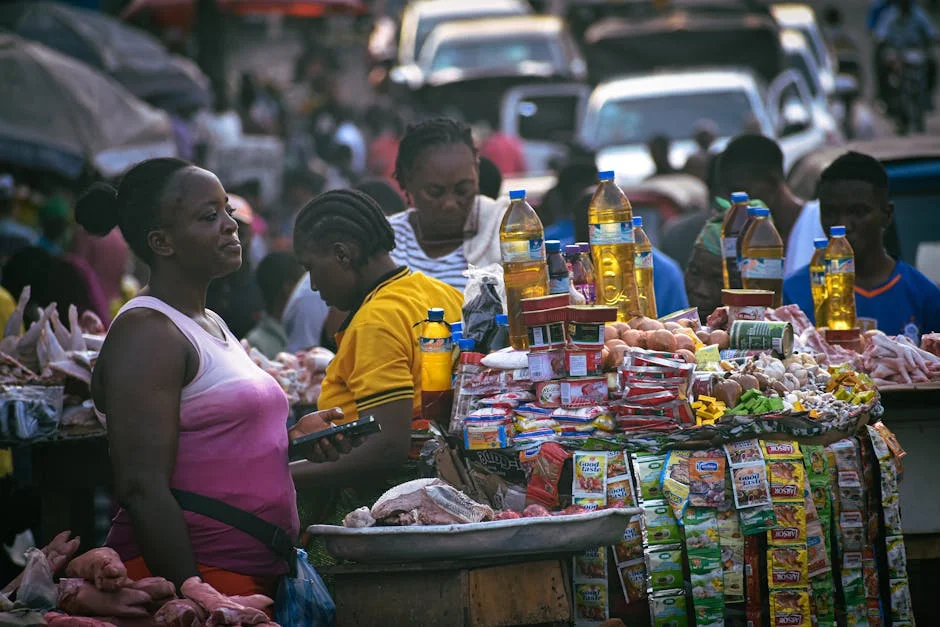
South Africa's decision to increase the minimum wage for domestic workers has triggered immediate job losses, exposing the fragility of the continent's largest economy. This development sends a stark warning to other African nations striving to balance social protection with economic stability. The ripple effects extend beyond Johannesburg, offering critical lessons for Nigeria and other emerging markets.
Wage Hike Triggers Immediate Job Cuts
The South African government implemented a significant increase in the minimum wage for domestic workers, aiming to lift millions out of poverty. However, the immediate consequence has been a surge in redundancies as employers struggle to absorb the new costs. Many households in Cape Town and Pretoria have reduced working hours or replaced full-time staff with casual labor. This rapid adjustment period highlights the tension between policy ambition and economic reality.
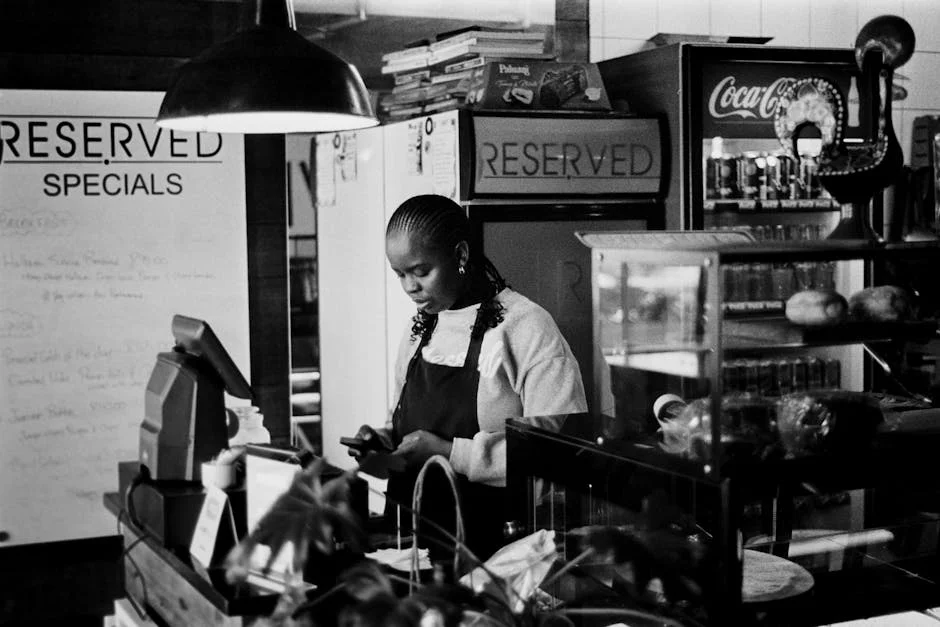
Economists warn that the labor market in South Africa is already under immense pressure. The unemployment rate has hovered around 35%, making every new job creation critical. When wages rise without a corresponding increase in productivity or inflation adjustment, employers often react by cutting headcount. This dynamic is not unique to South Africa but is particularly acute in its service sector.
Impact on Low-Income Households
The burden of the wage hike falls heavily on middle-class and low-income households. Families who previously employed one domestic worker may now hire two part-time staff or rely more on informal arrangements. These informal jobs often lack the benefits and security that the new wage law intended to secure. Consequently, the very workers the policy aimed to help may find themselves with fewer hours and less stability.
Unions argue that the wage increase is essential for dignity and survival. They contend that domestic workers have long been the "cousins of the family" yet remain the most underpaid. The debate centers on whether the cost of living in major cities justifies the hike. Critics, however, point out that without broader economic growth, wage policies alone cannot sustain employment levels.
Unemployment Politics Update in South Africa
The political fallout from this economic shift is intense. The ruling party faces criticism for timing the wage increase during a period of slow growth. Opposition leaders argue that the policy was driven more by electoral promises than by rigorous economic analysis. This political maneuvering risks destabilizing the labor market further. Voters are beginning to question whether the cost of living relief is worth the loss of jobs.
The situation in South Africa serves as a case study for the continent. Many African governments are looking to expand social safety nets. However, the South African experience shows that without careful implementation, well-intentioned policies can backfire. The unemployment politics update reveals a complex landscape where social justice and economic efficiency often clash.
International observers are watching closely to see how the South African Reserve Bank responds. Interest rate decisions will play a crucial role in determining whether the wage hike fuels inflation or stimulates demand. The central bank’s next move could set the tone for the rest of the year. This uncertainty adds another layer of complexity for investors and policymakers alike.
How Unemployment Affects Nigeria
Nigeria, Africa’s most populous nation, is closely monitoring these developments. The Nigerian labor market faces similar structural challenges, including a large informal sector and high youth unemployment. Policymakers in Abuja are debating whether to adopt similar wage adjustments for domestic and service workers. The fear is that a sudden increase could stifle job creation in a market that is already struggling to absorb graduates.
The connection between South Africa and Nigeria is stronger than often perceived. South Africa is a key trade partner and investment hub for Nigerian businesses. Economic instability in Johannesburg can lead to reduced investment flows into Lagos and other commercial centers. Therefore, understanding the ZA latest news is vital for Nigerian economic strategists. The spillover effects can influence currency stability and inflation rates in West Africa.
Nigerian economists argue that any wage policy must be tailored to local productivity levels. Unlike South Africa, Nigeria’s formal sector is smaller, meaning more workers rely on informal income streams. A rigid wage law could push more workers into the informal economy, where protections are minimal. This could exacerbate income inequality rather than reduce it.
Why Unemployment Matters for Development
Unemployment is not just a statistic; it is a fundamental driver of social and economic stability. High unemployment leads to increased crime rates, political unrest, and reduced consumer spending. For African nations aiming to achieve the Agenda 2063 goals, creating jobs is paramount. The South African situation underscores the need for holistic approaches to employment.
Development goals require more than just GDP growth. They demand inclusive growth that benefits the majority of the population. When domestic workers lose their jobs, the multiplier effect on the local economy is significant. Less spending in local markets means reduced revenue for small businesses. This creates a downward spiral that can be difficult to reverse.
The ZA analysis Nigeria perspective highlights the importance of regional cooperation. African countries can learn from each other’s policy experiments. Sharing data on wage elasticity and employment trends can help avoid common pitfalls. Regional bodies like the African Union have a role to play in coordinating labor policies to enhance competitiveness.
ZA Latest News and Economic Trends
Recent reports indicate that the informal sector in South Africa is expanding as a buffer for formal job losses. This trend is concerning because informal jobs offer less security and lower wages. The government is now considering targeted subsidies to help employers retain staff. These subsidies could provide temporary relief but may not solve the underlying structural issues.
The ZA latest news also points to a shift in consumer behavior. Households are cutting back on non-essential spending to accommodate higher labor costs. This reduction in consumer demand can slow down economic growth further. Businesses in the retail and hospitality sectors are feeling the pinch. The interplay between wages, prices, and demand is becoming increasingly complex.
Investors are reassessing their exposure to the South African market. Uncertainty over labor costs and political stability has led to some capital flight. This could put pressure on the Rand, affecting import costs for neighboring countries. The financial implications extend beyond borders, affecting the broader Southern African Development Community (SADC) region.
How ZA Affects Nigeria and Regional Dynamics
The economic health of South Africa has direct implications for Nigeria. As the two economic giants of Africa, their performance often sets the tone for the continent. A slowdown in South Africa can reduce demand for Nigerian exports, particularly in the agricultural and manufacturing sectors. This trade linkage means that Nigerian policymakers cannot afford to ignore developments in Johannesburg.
How ZA affects Nigeria is also evident in the investment landscape. South African companies are major investors in the Nigerian market. If these companies face higher labor costs and uncertainty in their home market, they may delay or reduce investments in Nigeria. This could slow down infrastructure development and job creation in key Nigerian cities. The interconnectedness of African economies requires a coordinated response to labor market challenges.
Regional integration efforts must account for these labor market dynamics. Harmonizing wage policies and social protection standards could enhance labor mobility and competitiveness. However, this requires careful negotiation and consideration of local conditions. The South African experience provides a valuable template for these discussions.
Future Outlook and Policy Recommendations
The situation in South Africa is likely to evolve over the coming months. The government may introduce additional measures to mitigate job losses, such as tax breaks for small employers. Monitoring these policy adjustments will be crucial for understanding the long-term impact. Other African nations should watch closely to refine their own labor market strategies.
Policymakers must prioritize flexible labor markets that can adapt to changing economic conditions. Rigid wage laws can stifle job creation, especially in economies with large informal sectors. Encouraging productivity growth through education and infrastructure investment is essential. These foundational elements will support sustainable wage increases without triggering mass redundancies.
The next step is to monitor the unemployment data for the following quarter. Investors and analysts will look for signs of stabilization or further deterioration. Governments in Nigeria and other African nations should use this period to review their own labor policies. Proactive adjustments can help avoid the pitfalls experienced in South Africa.
See Also
- Senate President Accuses INEC of Undermining Democracy — Demands Chairman’s Removal
- Kenya Rejects Tourism Clichés, Launches Rural Marathon Initiative