Iroro Tanshi, a Nigerian conservationist, has been awarded a global environmental prize for his efforts to protect bats in a country where the creatures are often viewed as omens of misfortune. The recognition comes as Tanshi continues his work in Lagos, where he campaigns to change local perceptions and highlight the ecological importance of bats. His work aligns with broader African development goals, particularly in environmental sustainability and biodiversity conservation.
Conservationist’s Mission: Saving Bats in a Culture of Fear
Tanshi, a biologist and founder of the Bat Conservation Nigeria, has spent over a decade working to educate communities about the role of bats in pollination and pest control. In Nigeria, where many people associate bats with witchcraft and disease, his mission is fraught with challenges. “Bats are often killed on sight,” Tanshi said in a recent interview. “But they are crucial for maintaining ecosystem balance.”
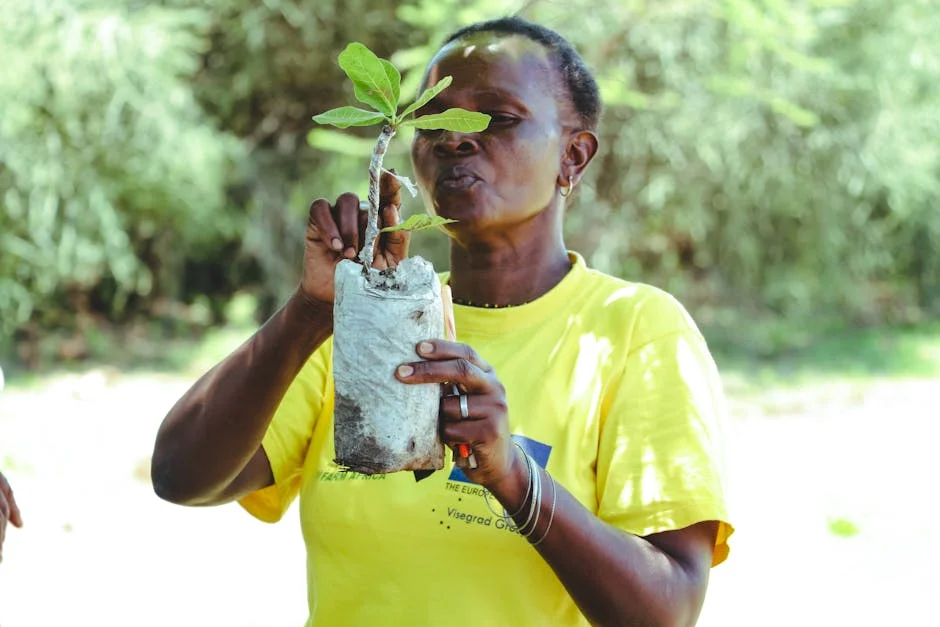
His efforts have not gone unnoticed. Last month, he received the prestigious Whitley Award, often called the “Green Oscar,” for his work in promoting bat conservation. The prize, worth £50,000, will fund his next phase of work, including the establishment of bat-friendly habitats in Lagos and surrounding areas. “This award is a recognition of the work we’ve done and the challenges we’ve faced,” Tanshi said.
Despite the global acclaim, Tanshi’s work remains a local struggle. Many Nigerians, particularly in rural areas, still see bats as harbingers of death. This cultural resistance has made it difficult to gain widespread support. “Changing perceptions is the hardest part,” he said. “But if we can show the benefits of bats, people will start to listen.”
Ecological Importance of Bats: A Hidden Asset for Africa
Bats play a vital role in Africa’s ecosystems, particularly in pollination and seed dispersal. In Nigeria, fruit bats are key to the survival of many native plants, including the African mango and the baobab tree. Their decline could have serious consequences for food security and biodiversity. “Bats are not just animals; they are ecosystem engineers,” Tanshi explained. “They help maintain the balance of nature, which is essential for agriculture and human survival.”
Despite their ecological value, bat populations are under threat due to habitat loss, hunting, and disease. The 2014 Ebola outbreak in West Africa further stoked fear and suspicion toward bats, with some communities blaming them for the spread of the virus. “It’s a misunderstanding,” Tanshi said. “Bats are not the cause of disease; they are part of the natural cycle.”
The conservationist’s work is part of a growing movement across Africa to protect wildlife and promote sustainable development. Initiatives like the African Wildlife Foundation and the Convention on Migratory Species are also focusing on bat conservation. “We need to integrate wildlife protection into our development plans,” Tanshi said. “It’s not just about saving animals—it’s about saving our future.”
Community Outreach: Education as a Tool for Change
To combat misconceptions, Tanshi has launched a series of community workshops and school programs in Lagos. These sessions aim to teach children and adults about the ecological role of bats and dispel myths. “We use stories, games, and hands-on activities to make learning fun,” he said. “When people understand the value of bats, they are more likely to protect them.”
The workshops have seen some success. In one neighborhood, a group of students started a bat awareness campaign, distributing leaflets and organizing a local art competition. “It’s encouraging to see young people get involved,” Tanshi said. “They are the future of conservation.”
Bats and African Development Goals: A Link to Sustainability
Tanshi’s work aligns with several of the United Nations’ Sustainable Development Goals (SDGs), particularly SDG 15, which focuses on life on land. Protecting bats and their habitats contributes to biodiversity conservation, climate resilience, and sustainable agriculture. “Bats are part of the solution to many of Africa’s environmental challenges,” Tanshi said. “If we don’t protect them, we lose a valuable resource.”
The Nigerian government has also begun to take notice. In 2023, the Federal Ministry of Environment included bat conservation in its National Biodiversity Strategy. “This is a positive step,” Tanshi said. “But more needs to be done at the local level to ensure that policies are implemented effectively.”
As climate change and habitat loss continue to threaten wildlife, the need for conservation efforts like Tanshi’s has never been more urgent. “Bats are a symbol of the challenges we face,” he said. “But they also show us what is possible when we work together.”
What’s Next for Bat Conservation in Nigeria?
With the Whitley Award funding, Tanshi plans to expand his outreach and research. His team will conduct surveys to map bat populations and identify key habitats for protection. They also hope to collaborate with local farmers to create bat-friendly farming practices. “If we can show that bats benefit agriculture, we can gain more support,” he said.
Looking ahead, Tanshi is also pushing for stronger legal protections for bats. Currently, Nigeria has no specific laws banning the hunting or trading of bats. “We need to change that,” he said. “Bats deserve the same protection as other wildlife.”
As the world watches, Tanshi’s mission in Nigeria remains a testament to the power of individual action in the face of cultural resistance. His story is not just about bats—it’s about the broader struggle for environmental sustainability and the role of local voices in shaping Africa’s development future.
See Also
- Telangana Government Extends LRS Concession Period — What's Next for Nigeria?
- Pope Carries Cross in Via Sacra for First Time in 32 Years