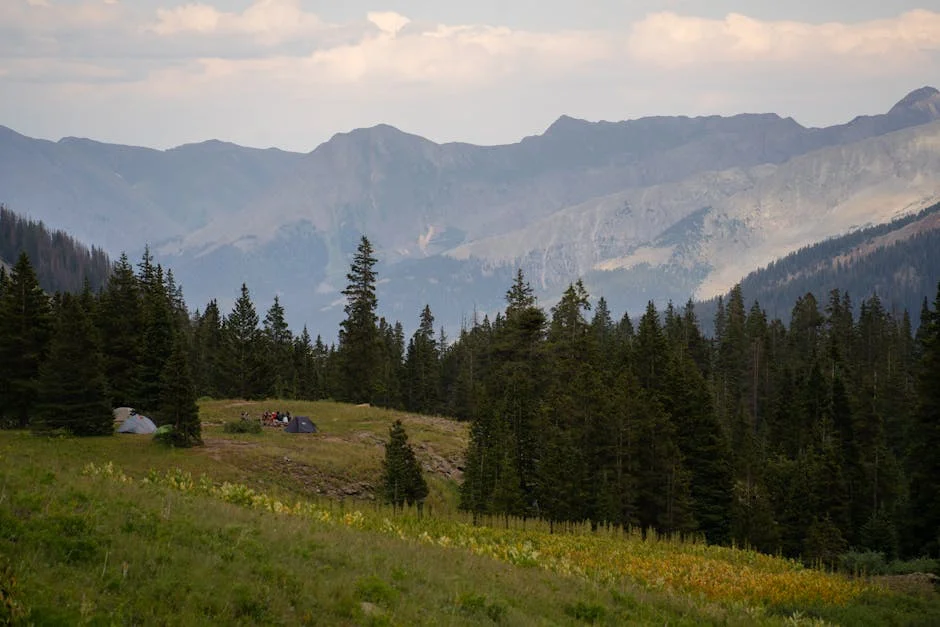
Mozambique’s Niassa region is at the heart of a controversial debate over wildlife conservation. Local hunters, supported by a government-backed initiative, argue that regulated big game hunting is key to protecting Africa’s endangered species. The program, launched in 2022, has already seen a 15% increase in wildlife populations in the area, according to the Mozambican Ministry of Environment and Tourism.
Conservation Through Hunting
Traditional conservation models in Africa have long focused on anti-poaching efforts and protected reserves. However, in Niassa, a different approach is taking shape. The region, home to one of the largest elephant herds on the continent, has seen a surge in illegal poaching in recent years. To combat this, the government partnered with local communities and international conservation groups to create a hunting program that generates revenue for anti-poaching patrols and community development.
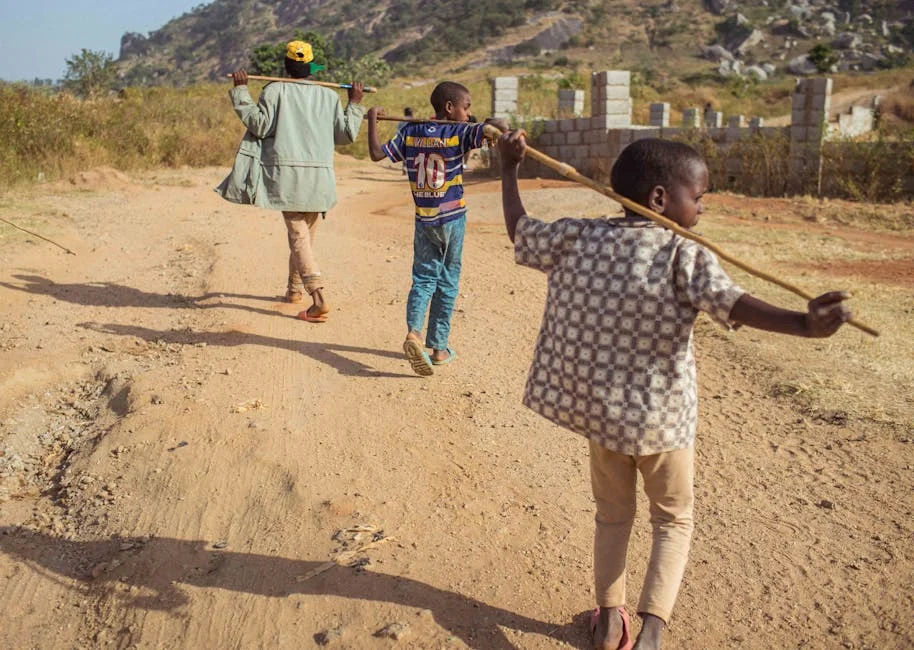
“Hunting is not about killing. It’s about managing the ecosystem,” said Dr. Ana Munguambe, a wildlife biologist with the Niassa Conservation Area. “By allowing controlled hunts, we can reduce human-wildlife conflict and fund the protection of these animals.” The program allows trophy hunters to pay up to $20,000 for a permit, with a portion of the fee directly funding local conservation projects.
Support and Skepticism
Supporters of the program argue that it provides a sustainable source of income for communities that have long struggled with poverty. In Niassa, where over 60% of the population lives below the poverty line, the revenue from hunting has funded school construction, health clinics, and job training programs. The initiative has also created employment for local guides and rangers, reducing reliance on illegal activities.
However, critics, including some international conservation groups, argue that the practice is ethically flawed and risks normalizing hunting. “This is a dangerous precedent,” said Sarah Nkosi, a spokesperson for the African Wildlife Foundation. “We must focus on non-lethal solutions to protect wildlife, not exploit it for profit.”
Challenges and Opportunities
The program faces several challenges, including ensuring that hunting remains strictly regulated and that revenues are distributed fairly. There are also concerns about the long-term impact on wildlife populations. In 2023, the Niassa Conservation Area reported a 5% decline in lion numbers, prompting calls for stricter monitoring.
Despite these challenges, the initiative has drawn attention from other African nations looking for sustainable conservation models. Countries such as Kenya and Namibia have expressed interest in adopting similar programs, highlighting the potential for cross-border collaboration on wildlife management.
Local Impact and Global Lessons
The Niassa program is not just about wildlife; it’s about development. By linking conservation to economic growth, the initiative aligns with several African development goals, including poverty reduction, environmental sustainability, and community empowerment. It also offers a unique model for how African nations can balance conservation with economic needs.
However, success depends on transparency and accountability. The Mozambican government has pledged to publish annual reports on the program’s impact, with independent audits to ensure compliance. These measures are critical to maintaining public trust and international support.
What Comes Next?
By 2025, the program will undergo a major review, with the aim of expanding it to other regions in Mozambique and beyond. The success of the initiative will be measured not only by wildlife numbers but by the long-term sustainability of the communities involved. For now, the hunters of Niassa continue their work, believing that their efforts could help shape the future of wildlife conservation in Africa.
See Also
- KAL Group Cuts Debt, Boosts Dividend in Nigeria
- Obasa Launches Agege Residents Card Amid Urban Governance Push
What is the latest news about mozambiques niassa region embraces big game hunting to save wildlife?
Why does this matter for economy-business?
What are the key facts about mozambiques niassa region embraces big game hunting to save wildlife?