KwaZulu-Natal’s automotive sector is experiencing a surge in activity as industry leaders gather in Durban to discuss the shift toward electric vehicles and the expansion of the aftermarket industry. The event, hosted by the Durban Chamber of Commerce and Industry, highlights the region’s growing role in Africa’s evolving automotive landscape. With over 250 companies participating, the gathering signals a strategic pivot toward sustainability and innovation.
Strategic Shift Toward Electric Vehicles
The automotive industry in KwaZulu-Natal is undergoing a transformation, with a strong emphasis on electric vehicles (EVs). According to the Durban Chamber, the province is home to 35% of South Africa’s automotive manufacturing capacity, making it a key player in the country’s green transition. Industry leaders at the Automechanika Johannesburg event in Durban outlined plans to increase EV production by 2026, with a target of 10% of all vehicles sold being electric by that year.

“The shift to EVs is not just a global trend—it’s a necessity for sustainable development,” said Sipho Nkosi, CEO of Automotive Strengths, a Durban-based consultancy. “We are positioning KZN as a hub for EV technology, which will create jobs and boost the regional economy.” Nkosi’s organisation has been instrumental in advising local manufacturers on adapting to the new energy landscape.
The transition to electric vehicles also aligns with broader African development goals, particularly the African Union’s Agenda 2063, which prioritises sustainable industrialisation and green energy. KZN’s efforts could serve as a model for other African nations seeking to reduce reliance on fossil fuels while building resilient economies.
Aftermarket Industry Expansion
Alongside the push for electric vehicles, the aftermarket industry is gaining traction in KwaZulu-Natal. This sector, which includes parts, repairs, and maintenance services, is expected to grow by 8% annually over the next five years, according to a report by the Durban Chamber. The rise in vehicle ownership and the need for localised repair services are driving this growth.
“The aftermarket sector is a vital part of the automotive ecosystem,” said Thandiwe Mbeki, a senior economist at the Durban Chamber. “By investing in local repair networks, we can reduce reliance on imported parts and create thousands of jobs.” Mbeki’s research highlights how the sector could contribute up to 15% of the province’s GDP by 2030 if supported by the right policies.
The Durban Chamber has launched a new initiative called “Breakfast on Friday,” a monthly networking event that connects industry players with policymakers and investors. The first session in March attracted over 200 attendees, including representatives from the South African Department of Trade, Industry, and Competition.
Challenges and Opportunities
Despite the optimism, challenges remain. Infrastructure gaps, particularly in electricity and road networks, could hinder the growth of both EVs and the aftermarket industry. A 2023 report by the African Development Bank found that 40% of African countries lack reliable energy supply, a critical barrier to industrial expansion.
However, the KZN automotive sector is leveraging its strategic location and existing industrial base to overcome these hurdles. With access to major ports and a skilled workforce, the province is well-positioned to become a regional leader in sustainable automotive development.
The sector’s growth could also have a ripple effect on neighbouring countries. With Nigeria’s automotive market expanding, KZN’s expertise in EVs and after-sales services could provide a valuable export opportunity. The Durban Chamber has already begun engaging with Nigerian stakeholders to explore partnerships.
Looking Ahead: A Roadmap for Growth
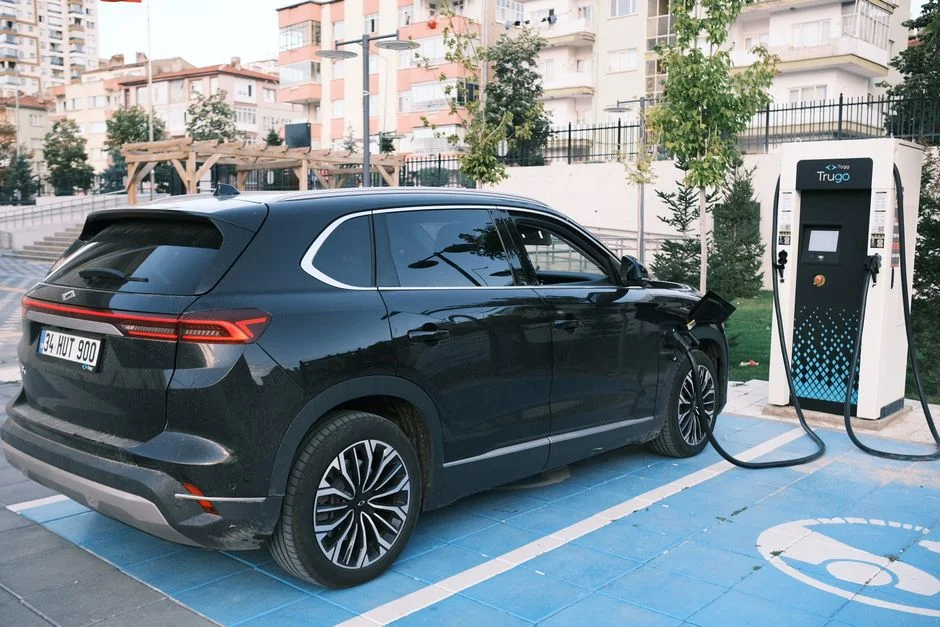
As KwaZulu-Natal’s automotive sector moves forward, the focus remains on long-term sustainability and regional cooperation. The Durban Chamber has set a deadline of June 2025 for the finalisation of its EV development strategy, which includes incentives for local manufacturers and training programmes for workers.
Industry leaders are also pushing for greater government support, including tax breaks for EV production and investment in charging infrastructure. “We need a clear policy framework to guide this transition,” said Nkosi. “Without it, we risk falling behind global trends.”
With the continent’s automotive landscape evolving rapidly, KwaZulu-Natal’s efforts could serve as a blueprint for other African regions. The coming months will be critical in determining whether the province can capitalise on its momentum and secure a leading role in Africa’s green industrial revolution.
See Also
- Lusa Halts Four Trains in North Line Over Signal Failure
- Guerra Confirms Portimão May Host F1 GP by 2026 — What This Means for Africa
What is the latest news about kzn automotive sector gains momentum with ev push?
Why does this matter for economy-business?
What are the key facts about kzn automotive sector gains momentum with ev push?