Gaza’s development has been set back by 77 years due to the ongoing conflict, according to a new report by the United Nations Development Programme (UNDP). The findings highlight the severe damage to infrastructure, education, and healthcare systems in the region, with the UNDP citing a 70% destruction of basic services. The report, released in early 2025, underscores the long-term consequences of the war on the territory’s ability to meet the Sustainable Development Goals (SDGs), particularly in areas like poverty reduction and quality education.
Devastation of Infrastructure and Services
The destruction of Gaza’s infrastructure has left over 2 million people without reliable access to clean water, electricity, or sanitation. A 2024 UN report noted that 85% of the territory’s water supply is contaminated, exacerbating public health crises. The UNDP’s latest analysis states that rebuilding efforts would require at least $10 billion, a sum that remains unsecured. The agency’s director in the region, Dr. Amina Juma, warned that without immediate investment, the humanitarian crisis could worsen further.
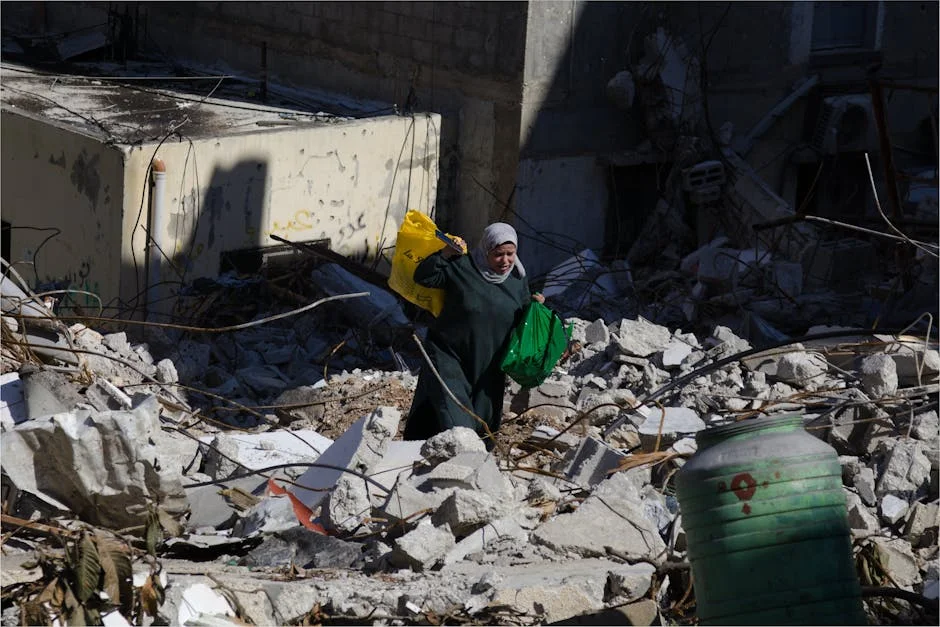
Healthcare facilities have also suffered extensive damage. Over 70% of hospitals and clinics are non-operational, according to the World Health Organization (WHO). This has led to a sharp decline in maternal and child health outcomes, with neonatal mortality rates rising by 30% since 2020. The WHO has called for urgent international aid to restore medical services and prevent a long-term public health disaster.
Impact on Regional and Global Development Goals
The UNDP’s report highlights how the Gaza conflict directly undermines several African development goals, particularly those related to poverty eradication, quality education, and sustainable infrastructure. The report notes that the region’s development setbacks could have ripple effects across the Middle East and North Africa, affecting regional stability and economic growth. For African nations, which often rely on regional partnerships and trade, the instability in Gaza poses a challenge to cross-border collaboration and investment.
Dr. Nia N’gai, a senior economist at the African Development Bank, stated that the Gaza crisis serves as a stark reminder of how conflicts can derail development progress. “The loss of infrastructure and human capital in Gaza is a setback not just for the region, but for the broader African continent,” she said. “It reinforces the need for stronger regional cooperation and more resilient development strategies.”
Humanitarian and Economic Fallout
The war has also had a profound impact on Gaza’s economy. The territory’s GDP has shrunk by over 60% since 2020, according to the Palestinian Central Bureau of Statistics. Unemployment rates have soared to 50%, with youth unemployment reaching 75%. These figures reflect a deepening crisis that has pushed many families into extreme poverty. The International Monetary Fund (IMF) has warned that without foreign aid and investment, the economy could collapse further.
Education systems have also been severely affected. Over 60% of schools in Gaza are either damaged or repurposed as shelters, leaving millions of children without access to formal schooling. The United Nations Children's Fund (UNICEF) reports that 1.5 million children are out of school, with many facing long-term learning gaps. This disruption threatens to create a generation of unskilled workers, limiting future economic growth and development.
Call for International Support and Action
UNDP and other international bodies have called for a coordinated response to address the humanitarian and development crisis in Gaza. The agency has urged donor countries to increase funding and streamline aid delivery to ensure that resources reach those in need. The report also recommends the establishment of a regional development fund to support long-term recovery efforts in the area.
Local leaders in Gaza have echoed these calls. Mayor of Gaza City, Ahmed al-Khatib, said, “We need urgent support to rebuild our homes, schools, and hospitals. Without this, we will be trapped in a cycle of poverty and instability.” His remarks highlight the pressing need for international solidarity and action to prevent further development setbacks in the region.
The coming months will be critical for Gaza’s future. The UNDP has set a deadline for donor countries to commit funding by mid-2025, with the hope that a coordinated effort can begin the process of rebuilding. As the world watches, the fate of Gaza’s development remains uncertain, with long-term implications for the region and beyond.
See Also
- Atiku Warns Tinubu Can't Win Free, Fair Election in 2027
- Nigeria Launches New Tech Policy to Curb Addictive Design Influence
“It reinforces the need for stronger regional cooperation and more resilient development strategies.” Humanitarian and Economic Fallout The war has also had a profound impact on Gaza’s economy. These figures reflect a deepening crisis that has pushed many families into extreme poverty.
What is the latest news about gaza war sets back development by 77 years report reveals?
Why does this matter for politics-governance?
What are the key facts about gaza war sets back development by 77 years report reveals?