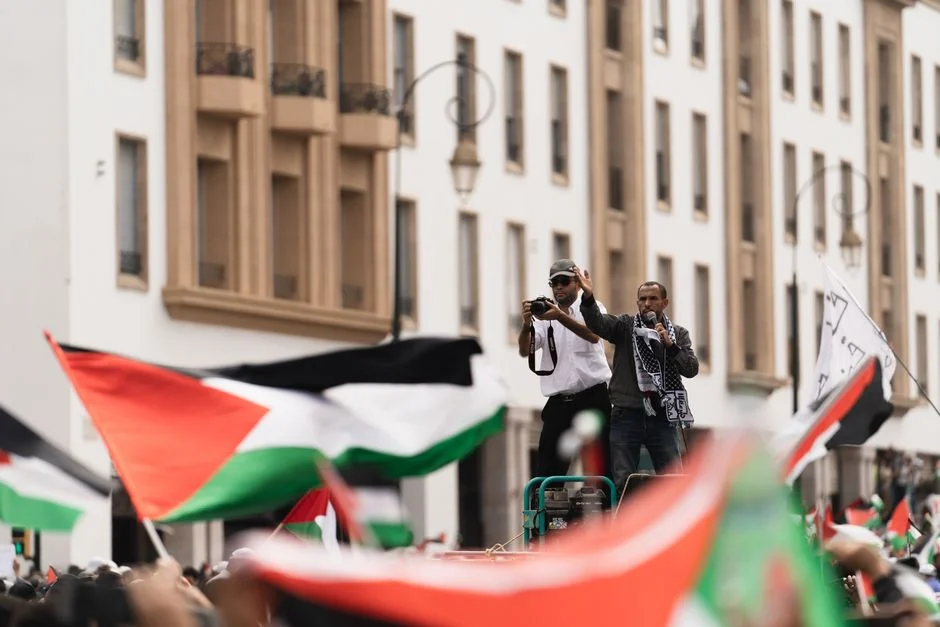
Violent mobs set fire to Ebola isolation tents in Mbandaka, exposing the fragility of Africa’s health infrastructure. This unrest in the Democratic Republic of Congo highlights how quickly public trust can evaporate during a health crisis. The incident serves as a stark warning for neighboring nations relying on similar governance models.
Chaos Erupts in Mbandaka
The violence erupted in the city of Mbandaka, a key logistical hub in the Équateur province. Residents, frustrated by strict lockdown measures and inconsistent information, targeted medical facilities. Flames engulfed several temporary clinics that had been hastily erected to manage the outbreak. The speed of the destruction shocked local health workers and international observers alike.
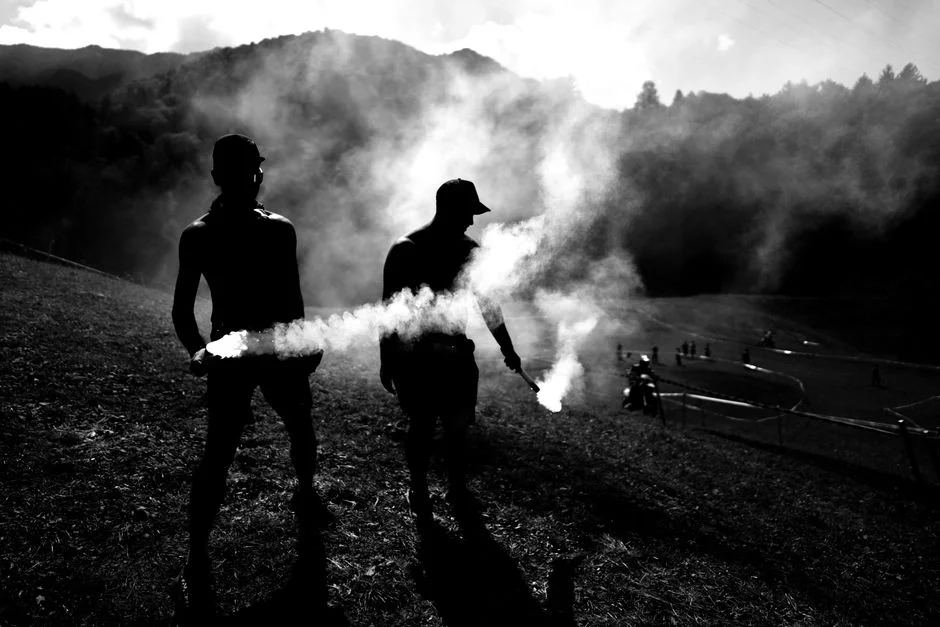
Local authorities struggled to contain the anger. Police lines were pushed back by a sea of protesters wielding torches and stones. The scene was one of controlled chaos, with smoke billowing over the streets of this riverside city. This was not merely a reaction to the virus but a rebellion against perceived mismanagement.
The destruction of these facilities set back containment efforts significantly. Health workers had to retreat, leaving patients and staff vulnerable to the elements. The incident underscores a critical vulnerability in the region’s response to infectious diseases. Infrastructure built in haste is often the first to fall when social cohesion frays.
Trust Deficit Undermines Health Efforts
The root cause of the unrest lies in a deep-seated distrust of government institutions. For weeks, rumors spread faster than the virus itself. Many residents believed the Ebola tents were used to harvest organs or that the disease was a political tool. These narratives gained traction because official communication was often slow or contradictory.
Dr. Jean-Marc Kabund, a local health coordinator, noted that community engagement was insufficient. He argued that medical teams arrived with masks and gowns but left without building relationships. This top-down approach failed to account for the cultural nuances of the region. Health interventions cannot succeed without the active buy-in of the local population.
The World Health Organization has long emphasized the importance of social mobilization. In Mbandaka, this principle was tested and found wanting. The burning of the tents was a symbolic rejection of external and central authority. It demonstrated that medical efficacy alone is not enough to secure public health outcomes.
Communication Gaps and Rumors
Rumors played a devastating role in fueling the protests. Whispers of a cure involving goat’s blood or specific herbal remedies spread through markets. These alternative narratives offered simple explanations for a complex viral threat. The government’s failure to debunk these myths quickly allowed them to take hold.
Social media amplified the confusion. WhatsApp groups and local radio stations became battlegrounds for truth and fiction. Without a unified voice from health ministers, the public was left to interpret the crisis through fragmented lenses. This digital noise made it harder for health workers to explain the necessity of quarantine measures.
Impact on Regional Health Security
The instability in Mbandaka has direct implications for the broader African continent. The Democratic Republic of Congo shares borders with several nations, including Uganda and South Sudan. An uncontained outbreak can easily spill over these porous borders. Neighboring countries are now on high alert, monitoring movement along the river networks.
Nigeria, which faced its own Ebola challenges in 2014, is watching closely. The Nigerian government has invested heavily in its Emergency Operations Centre. However, the Mbandaka riots remind officials that infrastructure is only as strong as the people using it. The experience in West Africa showed that community trust is the first line of defense.
Regional health bodies like the African Union’s Centre for Disease Control are assessing the situation. They are urging member states to strengthen cross-border collaboration. The goal is to create a unified response mechanism that can react swiftly to outbreaks. This event tests the resilience of these pan-African health architectures.
Infrastructure Vulnerabilities Exposed
The temporary nature of the Ebola tents highlighted a broader infrastructure deficit. Many clinics in the region rely on prefabricated structures that offer little protection against fire or flood. This lack of durable infrastructure makes health systems inherently fragile. When a crisis hits, these weaknesses become immediately apparent.
Investment in permanent health facilities remains low in many parts of the DRC. Rural areas often depend on mobile clinics that are easily disrupted. The fire in Mbandaka destroyed not just beds and equipment but also stored data and medical supplies. This loss of tangible assets will take months to replenish.
Donors and governments must reconsider their approach to health infrastructure. Building more hospitals is not enough if those hospitals are not integrated into the community. The focus must shift towards creating resilient, community-owned health centers. These centers need to be robust enough to withstand both viral and social shocks.
Governance Challenges in Crisis Response
The incident reveals significant gaps in local governance. Local leaders in Mbandaka were often out of touch with the concerns of their constituents. Decision-making appeared centralized in Kinshasa, leaving local authorities with little autonomy. This disconnect fueled the perception that the response was imposed rather than managed.
Effective crisis management requires decentralized decision-making. Local leaders need the power to adapt national guidelines to local realities. In Mbandaka, this flexibility was missing. Health workers followed strict protocols that sometimes clashed with local customs. This rigidity created friction that ultimately boiled over into violence.
The government has since promised reforms to improve community engagement. However, trust takes time to rebuild. The immediate challenge is to secure the remaining health facilities and resume testing. Long-term solutions require a fundamental shift in how health policies are communicated and implemented.
Lessons for African Development
This crisis offers critical lessons for African development goals. Health security is not just a medical issue but a socio-political one. The African Union’s Agenda 2063 emphasizes the importance of a healthy population for economic growth. The Mbandaka riots show that health investments must be paired with governance reforms.
Development projects often focus on hardware—roads, hospitals, and power grids. However, the software—trust, communication, and community buy-in—is equally important. Without strong social cohesion, physical infrastructure can be easily destroyed. The fire in Mbandaka is a metaphor for the fragility of development gains.
African nations must prioritize social capital in their development strategies. This means investing in education, media, and local leadership. Health systems need to be designed with the community in mind. Only then can they withstand the pressures of future crises and contribute to sustainable growth.
What to Watch Next
International health agencies are deploying additional teams to Mbandaka. The World Health Organization has announced a new funding package to support recovery efforts. The focus will be on rebuilding the destroyed tents and launching a new communication campaign. These steps are crucial for regaining the trust of the local population.
The Democratic Republic of Congo’s government has called for a state of emergency in the province. This measure aims to stabilize the situation and allow health workers to resume their duties. The effectiveness of this response will depend on how well it addresses the root causes of the unrest. Observers will be watching to see if the government listens to community leaders.
Neighboring countries are reviewing their own border control measures. Uganda and South Sudan have increased surveillance along the river crossings. The region is bracing for a potential resurgence of the virus. The coming weeks will be critical in determining whether the outbreak is contained or allowed to spread further.
See Also
- DR Congo Nurses Reveal How They Fight Ebola Without Getting Infected
- Changan South Africa Launches Deepal S05 REEV to Cut Fuel Costs for Drivers
Governance Challenges in Crisis Response The incident reveals significant gaps in local governance. Infrastructure Vulnerabilities Exposed The temporary nature of the Ebola tents highlighted a broader infrastructure deficit.
What is the latest news about dr congo rioters torch ebola tents in mbandaka?
Why does this matter for health-medicine?
What are the key facts about dr congo rioters torch ebola tents in mbandaka?