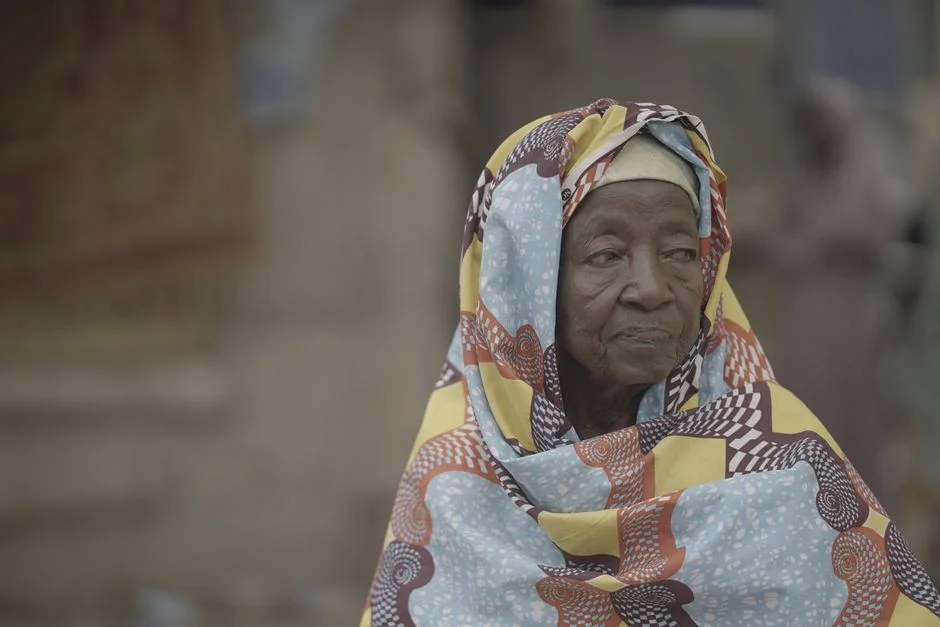
Shamila Batohi, the National Director of Public Prosecutions in South Africa, was denied access to legal advice during the Nkabinde Inquiry, a development that has raised concerns about the independence of the country’s judicial system. The incident, which occurred on 15 June 2024 in Johannesburg, highlights ongoing tensions between investigative bodies and the legal framework governing their operations. Batohi, a prominent figure in South African law, has been a central figure in high-profile cases, including the prosecution of former President Jacob Zuma.
Shamila Batohi and the Nkabinde Inquiry
The Nkabinde Inquiry, established in 2022, is examining allegations of corruption and misconduct within the National Prosecuting Authority (NPA). Batohi, as the head of the NPA, was required to provide testimony, but her legal team was reportedly barred from accompanying her. This move has sparked debate about due process and the rights of individuals facing scrutiny in official investigations. The inquiry is chaired by Justice Dikgang Moseneke, a respected figure in South African jurisprudence, and has been closely watched by legal experts and civil society groups.
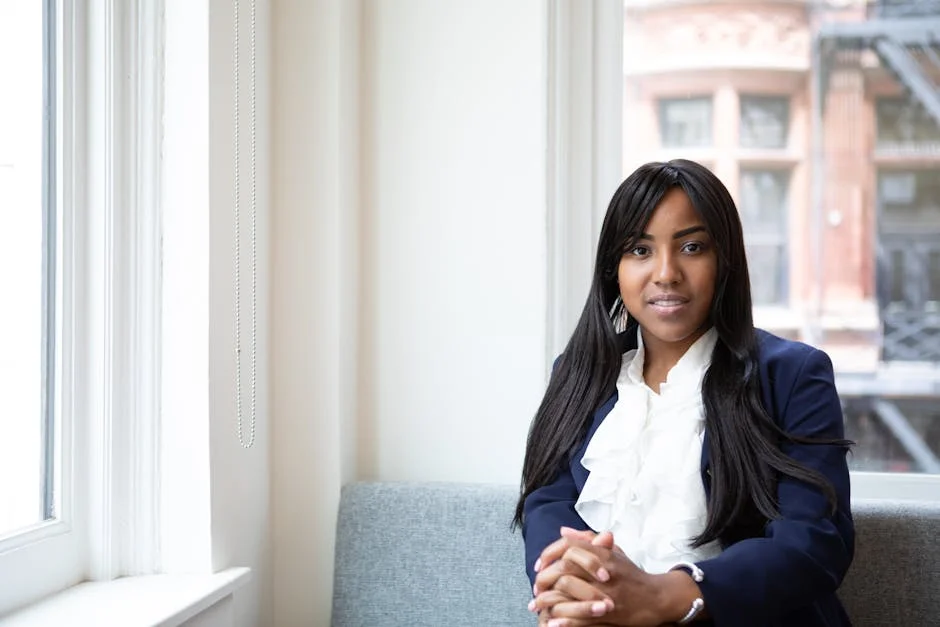
Legal experts argue that denying access to legal counsel could undermine the integrity of the inquiry. “The right to legal representation is a cornerstone of any fair process,” said Dr. Lindiwe Mkhize, a constitutional law professor at the University of Cape Town. “If this is allowed to continue, it sets a dangerous precedent for how state institutions handle legal procedures.” The Nkabinde Inquiry has already faced criticism for its slow progress, with over 18 months passed since its inception and no final report released.
Implications for South Africa’s Justice System
The incident has reignited discussions about the balance between accountability and due process in South Africa’s judicial system. Batohi, who has been in her role since 2018, has been a key player in shaping the country’s anti-corruption agenda. Her exclusion from legal support during the inquiry has been interpreted by some as an attempt to weaken her position ahead of potential reforms. The National Prosecuting Authority, which she leads, is responsible for prosecuting high-profile cases and has been under pressure to demonstrate transparency and effectiveness.
The Nkabinde Inquiry is part of a broader effort to address corruption within the state. Since 2018, South Africa has seen a series of high-profile corruption scandals, including the state capture allegations involving former President Jacob Zuma. The inquiry’s findings are expected to influence future policy and governance structures, particularly in the justice sector. However, the current procedural challenges may delay its conclusions and reduce public confidence in the process.
The Role of the National Director
The National Director of Public Prosecutions is a critical position in South Africa’s legal system. The role is responsible for overseeing the prosecution of criminal cases, ensuring that justice is delivered fairly and efficiently. The current National Director, Shamila Batohi, has been a controversial figure due to her handling of high-profile cases and her relationship with the former president. Her position is central to the country’s efforts to restore public trust in the justice system.
The National Prosecuting Authority, under her leadership, has faced scrutiny over its performance. Critics argue that the NPA has been slow to act on corruption cases and has been influenced by political pressures. The Nkabinde Inquiry aims to investigate these concerns and recommend reforms. However, the current procedural issues may complicate the process and raise questions about the independence of the inquiry itself.
What Comes Next?
Legal analysts are closely monitoring the situation, with calls for an independent review of the inquiry’s procedures. The Nkabinde Inquiry is expected to release its final report by the end of 2024, but the current developments could delay this timeline. The outcome of the inquiry will have significant implications for the future of South Africa’s justice system and the role of the National Prosecuting Authority.
For now, the focus remains on the legal rights of those involved in the inquiry. The South African Constitution guarantees the right to legal representation, and any infringement on this right could lead to legal challenges. Civil society groups are urging the inquiry to ensure that all participants are treated fairly and that the process remains transparent. The coming weeks will be critical in determining how this case is resolved and what it means for the rule of law in South Africa.
As the Nkabinde Inquiry moves forward, the international community is watching closely. South Africa’s ability to address corruption and uphold the rule of law is a key factor in its development trajectory. The outcome of this inquiry could influence future governance reforms and set a precedent for how similar investigations are conducted across the continent.
See Also
- Angola's PCP Demands Fuel Price Regulation to Combat Speculation - What It Means for Africa
- Ramaphosa defends eThekwini's Mandela and Tambo statues amidst MK party backlash: what it means
The Role of the National Director The National Director of Public Prosecutions is a critical position in South Africa’s legal system. Critics argue that the NPA has been slow to act on corruption cases and has been influenced by political pressures.