On May 29, 2026, Africa Today released its latest analysis revealing a remarkable 30% surge in renewable investments across Africa in the past year. This growth, reported in cities from Nairobi to Johannesburg, highlights both the challenges and opportunities that the continent faces in achieving its development goals.
Nigeria's Green Energy Commitment
Nigeria's Minister of Power, Abubakar Aliyu, announced a landmark $2 billion fund dedicated to enhancing the country's green energy initiatives. The funding aims to increase the share of renewable energy in Nigeria's energy mix from 20% to 50% by 2030. This ambitious plan supports the government's commitment to achieving its target of 30% reduction in carbon emissions by the same year.
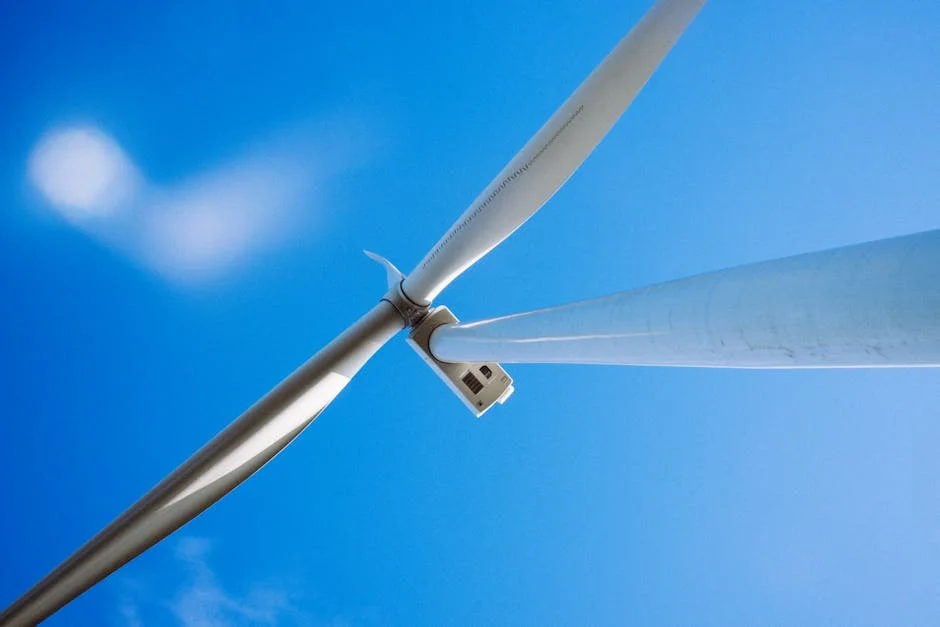
In conjunction with this funding, the Nigerian government plans to facilitate partnerships with international firms to develop solar and wind energy projects. This approach not only helps to mitigate climate change but also addresses the ongoing energy crisis affecting many regions of Nigeria.
Regional Collaboration on Renewable Energy
Several African nations have begun collaborating on energy projects that harness the continent's abundant renewable resources. For instance, a recent summit in Addis Ababa saw leaders from Kenya, South Africa, and Ethiopia discuss joint ventures focusing on solar and geothermal energy. This collaboration could lead to a significant reduction in energy costs and improved energy security for participating nations.
The African Union aims to facilitate these partnerships through its Agenda 2063 initiative, which emphasises sustainable development and energy independence as key objectives. By pooling resources and expertise, African nations seek not only to address their energy challenges but also to create jobs and stimulate economic growth.
Investment Trends in African Renewable Energy
According to the Africa Today analysis, total investments in renewable energy projects reached $10 billion in 2025, up from $7.7 billion in 2024. This upward trend indicates a growing recognition of the importance of transitioning to sustainable energy sources. Countries such as Morocco and Ghana have also seen considerable investments aimed at expanding their renewable capacity.
Spotlight on Solar and Wind Energy
Morocco's Noor Solar Complex continues to be a beacon of renewable energy success, generating 580 megawatts and providing power to millions. Simultaneously, Ghana is focusing on wind energy projects off its coast, hoping to harness the strong Atlantic winds to complement its energy supply.
Health and Education Investments
The surge in renewable investments directly correlates with improvements in health and education sectors as well. Renewable energy projects are expected to provide electricity to underserved communities, improving access to health services and educational resources. For example, over 5 million additional children in rural areas will have access to light and digital learning materials by 2027 through solar-powered classrooms.
Investments in renewable energy also improve health outcomes by reducing reliance on polluting fuels, thus contributing to cleaner air and better health conditions in urban areas. This investment in infrastructure aligns with various Sustainable Development Goals (SDGs), particularly those focused on health and education.
Challenges Ahead for Renewable Energy Growth
Despite the optimistic outlook, several challenges remain. Issues such as political instability, insufficient funding, and infrastructure deficits need addressing to sustain growth in the renewable sector. Additionally, there is a pressing need for regulatory frameworks that ensure transparency and attract foreign investment.
Furthermore, while many countries are advancing renewable energy initiatives, the pace of development varies significantly across the continent. Nations that lag behind risk missing out on economic opportunities associated with the green energy revolution.
Looking Ahead: The Future of Renewable Energy in Africa
As Africa transitions towards a greener economy, stakeholders must remain vigilant about the opportunities and challenges that lie ahead. Upcoming events, such as the Africa Energy Forum set for July 2026, will serve as platforms for discussing the continent's renewable energy future.
With collaborative efforts and strategic investments, Africa has the potential to not only meet its energy needs but also lead the way in global renewable energy initiatives. The next few years will be pivotal in determining whether these ambitious goals can be achieved and how they will reshape the continent's future.
See Also
- Congress Slams Modi Over Sinking of Iranian Ship: What It Means for Maritime Security
- Palaniswami Accuses Sengottaiyan of Betrayal — Sparks Tamil Nadu Election Drama
Additionally, there is a pressing need for regulatory frameworks that ensure transparency and attract foreign investment.Furthermore, while many countries are advancing renewable energy initiatives, the pace of development varies significantly across the continent. Simultaneously, Ghana is focusing on wind energy projects off its coast, hoping to harness the strong Atlantic winds to complement its energy supply.Health and Education InvestmentsThe surge in renewable investments directly correlates with improvements in health and education sectors as well.