Occidental Petroleum’s stock has seen a notable rise as Nigeria grapples with a fuel price surge, highlighting the deep interconnection between global oil markets and Africa’s energy landscape. The price of fuel in Lagos has climbed by 15% in the past month, according to the Nigerian National Petroleum Corporation (NNPC), forcing both consumers and businesses to adapt. This development underscores the broader challenges and opportunities facing African nations in managing their energy resources and aligning with global economic trends.
Global Oil Trends and Local Impact
Occidental Petroleum, an American multinational, has reported a 7% increase in its stock value since early March, driven by rising oil prices and improved production efficiency. The company’s performance reflects broader market movements, as global oil prices have climbed to $85 per barrel, the highest level since 2022. This surge has direct implications for Nigeria, which relies heavily on oil exports for government revenue and economic stability.
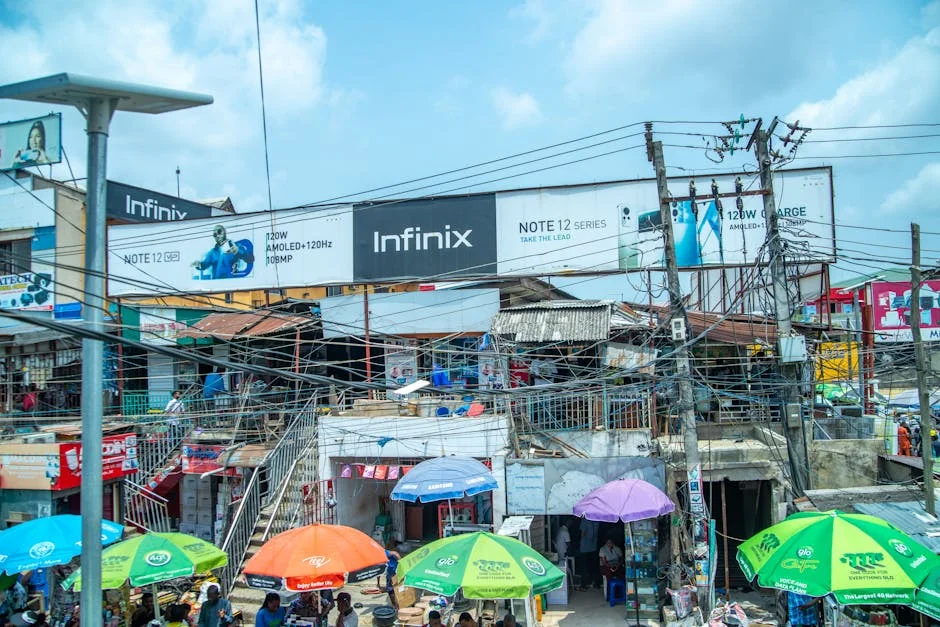
The Nigerian government has struggled to balance domestic fuel subsidies with the need to maintain fiscal discipline. The NNPC, which oversees the country’s fuel distribution, has announced a series of price hikes to align with international market rates. This decision has sparked public outcry, particularly in urban centers like Lagos and Abuja, where transportation and daily living costs have surged.
Challenges in Nigeria’s Energy Sector
Nigeria’s energy sector faces a complex set of challenges, including infrastructure deficits, policy inconsistencies, and reliance on a single commodity. The country’s refining capacity is only 450,000 barrels per day, far below its demand of 700,000 barrels. This gap forces Nigeria to import over 70% of its refined petroleum products, making it vulnerable to global price fluctuations.
The recent fuel price increases have also raised concerns about inflation, which hit 22.5% in February 2024, according to the National Bureau of Statistics. This has intensified pressure on households, particularly in low-income communities, where fuel costs account for a significant portion of monthly expenses.
Dr. Chukwuma Nwankwo, an economist at the University of Lagos, said, “Nigeria’s energy policy must evolve to reduce dependence on oil and diversify its economic base. The current crisis highlights the urgency of investing in renewable energy and improving domestic refining capacity.”
Opportunities for Economic Diversification
Despite the challenges, the current situation presents an opportunity for Nigeria to rethink its energy strategy. The government has announced plans to invest $2 billion in renewable energy projects over the next five years, focusing on solar and wind power. These initiatives aim to reduce reliance on fossil fuels and create new job opportunities in the clean energy sector.
International partners, including the World Bank and the African Development Bank, have pledged support for Nigeria’s energy transition. The World Bank has approved a $500 million loan to fund infrastructure upgrades, including the modernization of power grids and the expansion of solar farms.
The shift toward renewable energy could also align with the African Union’s Agenda 2063, which emphasizes sustainable development and economic transformation. By investing in green energy, Nigeria could position itself as a leader in Africa’s energy transition and attract foreign investment.
Looking Ahead: What to Watch
As Nigeria navigates its energy crisis, the coming months will be critical. The government is expected to announce new policies on fuel subsidies and energy diversification by mid-May. Additionally, the upcoming African Union summit in July will provide a platform for African leaders to discuss energy security and economic resilience.
Investors and analysts are closely watching how Nigeria balances its energy needs with its economic goals. The performance of companies like Occidental Petroleum will continue to reflect global trends, but the real test lies in how African nations adapt to these challenges and seize new opportunities.
For now, the rising cost of fuel in Nigeria serves as a stark reminder of the country’s energy vulnerabilities—and the urgent need for long-term, sustainable solutions.
See Also
- Kinsky Launches Digital Infrastructure Project to Boost African Development - What It Means for Nigeria
- European Tribunal Slaps Portugal with €10 Million Fine for Environmental Failures: What It Means for Africa
What is the latest news about occidental petroleum stock rises as nigeria sees fuel price surge?
Why does this matter for economy-business?
What are the key facts about occidental petroleum stock rises as nigeria sees fuel price surge?