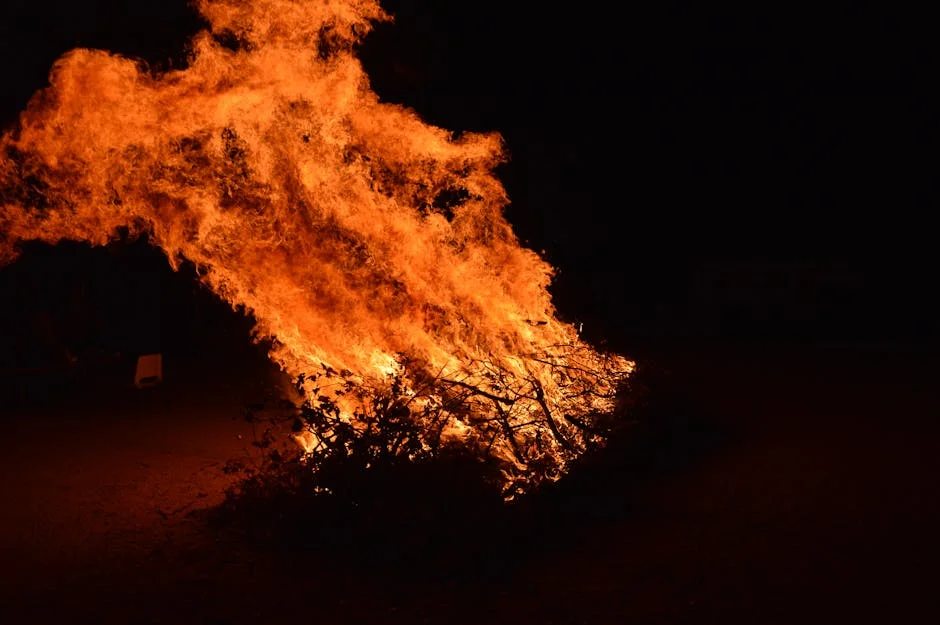
Australia's largest oil refinery, located in the eastern state of New South Wales, has been engulfed in an "unprecedented" fire that has led to a sharp disruption in the nation's fuel supply chain. The blaze, which broke out on Monday afternoon at the Port Kembla refinery, has forced the shutdown of critical operations, raising concerns over potential fuel shortages across the country. The Australian Energy Minister, Angus Taylor, confirmed that the incident has impacted the availability of petrol and diesel, with warnings of rising prices and long queues at service stations.
Impact on Fuel Supply and Consumer Prices
The fire at the Port Kembla refinery, which serves a large portion of the eastern Australian market, has led to an immediate drop in fuel production. According to the Australian Petroleum Association, the facility typically supplies over 20% of the region's fuel needs. With the plant now offline, experts warn that the situation could lead to a 10% increase in petrol prices within the next two weeks. "This is a critical moment for consumers and businesses alike," said Taylor, adding that emergency measures are being explored to mitigate the impact.
The disruption has already begun to affect daily life in cities such as Sydney and Brisbane, where drivers report longer lines at gas stations. In some areas, fuel availability has dropped by as much as 30%, prompting local authorities to urge residents to plan ahead. The Australian Competition and Consumer Commission (ACCC) has also launched an investigation into potential price gouging, with officials stating that they will take action against any companies exploiting the crisis.
Broader Implications for Infrastructure and Energy Security
The incident highlights the fragility of Australia's energy infrastructure, which relies heavily on a few key facilities. The Port Kembla refinery, built in the 1970s, has faced repeated calls for modernization and safety upgrades. Environmental groups have pointed to the fire as a stark reminder of the risks associated with aging infrastructure, urging the government to accelerate investment in renewable energy sources. "This is not just a local issue — it's a national one," said Dr. Sarah Mitchell, an energy policy analyst at the University of Sydney. "Australia needs to rethink its energy strategy to ensure long-term stability."
The fire has also reignited debates about the country's energy security. With climate change increasing the frequency of extreme weather events, the risk of infrastructure failures is growing. Experts suggest that diversifying energy sources and improving emergency response systems are essential steps to prevent similar incidents in the future.
Global Lessons for African Development
While the fire in Australia is a local event, it offers valuable lessons for African nations striving to build resilient infrastructure. Many African countries face similar challenges, including aging facilities, limited diversification of energy sources, and the need for better emergency preparedness. The African Development Bank has repeatedly emphasized the importance of investing in reliable energy systems as a cornerstone of economic growth and development.
For example, in Nigeria, where fuel shortages are a recurring issue, the government has been urged to prioritize the modernization of its refineries and the expansion of alternative energy sources. The experience in Australia underscores the need for proactive infrastructure planning and investment, particularly in regions vulnerable to climate-related disruptions.
Furthermore, the incident highlights the importance of regional cooperation. African nations can learn from Australia's response by sharing best practices in emergency management and energy resilience. The African Union has called for increased collaboration on energy security, recognizing that a stable and sustainable energy supply is essential for achieving the continent's development goals.
What to Watch Next
As the investigation into the fire continues, the focus will shift to the long-term implications for Australia's energy sector. The government has announced plans to fast-track safety audits for other refineries and to explore alternative fuel sources. Meanwhile, the ACCC will monitor fuel prices closely, with a report expected by the end of the week.
African countries should take note of these developments as they navigate their own energy challenges. The incident in Australia serves as a reminder that infrastructure resilience is not just a technical issue but a critical component of national and regional development. As the continent works toward achieving the Sustainable Development Goals, ensuring reliable energy access will remain a top priority.
See Also
- US Requests Funds for Venezuela Embassy — What It Means for Africa
- Hearts Raise Season Ticket Prices 7% — Fans React Across Nigeria