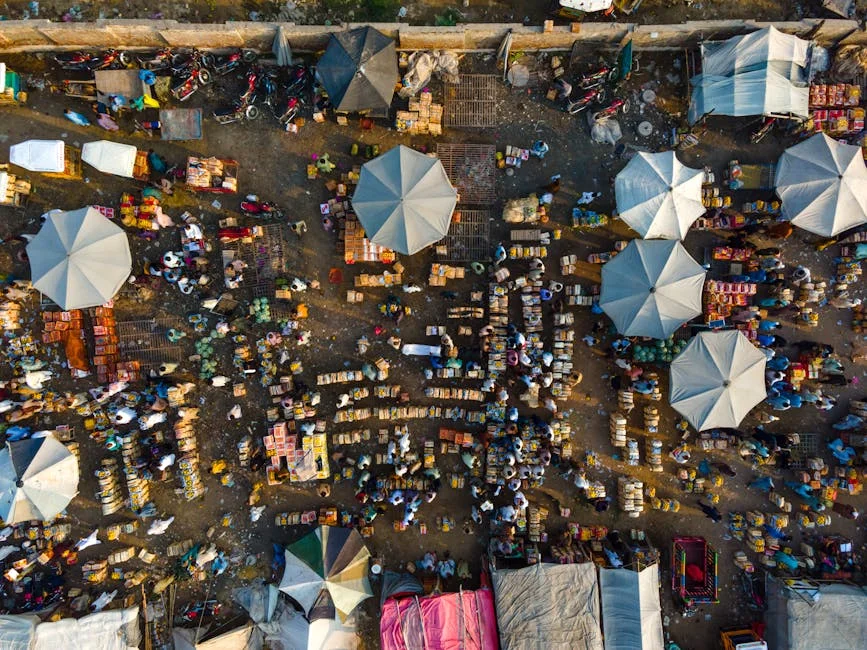
Moroccan farmers watched the skies for rain this season, hoping for a bountiful harvest to feed the kingdom. Instead, the ripple effects of the Middle East war have driven production costs to record highs. This crisis highlights a critical vulnerability for African nations relying on imported energy and fertilizers.
The Double Blow of Drought and Distance
King Mohammed VI has long championed agriculture as the backbone of Morocco's economy. Farmers in the Meknes region were optimistic after early spring rains soaked the soil. However, optimism has turned to anxiety as global supply chains fracture. The conflict involving Iran and its allies has sent shockwaves through commodity markets.
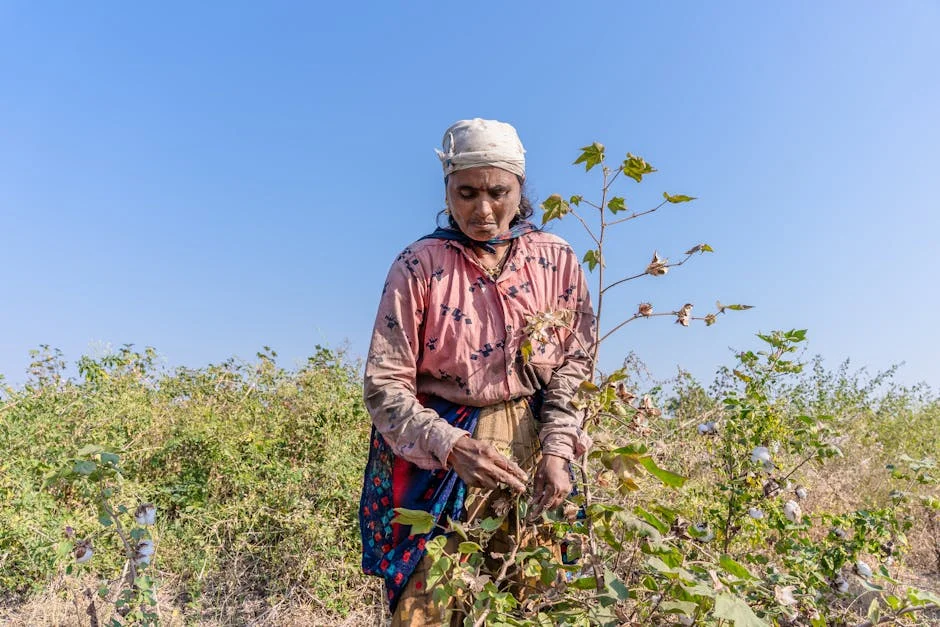
Energy prices have surged, directly impacting the cost of diesel for tractors and pumps. Fertilizer, largely imported from Russia and the Middle East, has seen price hikes exceeding thirty percent. This financial pressure threatens the profitability of smallholder farmers who dominate the sector. Many are now questioning whether planting wheat remains economically viable.
The situation in Morocco serves as a stark warning for the continent. African development goals emphasize food sovereignty and reduced import dependency. Yet, this crisis proves that even net-exporting nations are not immune to external geopolitical shocks. The interplay between climate change and global politics creates a perfect storm for agricultural stability.
Geopolitical Ripples Reach African Shores
The war in the Middle East is not just a regional dispute; it is an economic earthquake for Africa. Iran's strategic positioning and its alliances affect shipping lanes and energy outputs. For Morocco, which maintains strong diplomatic ties with both the West and the Arab world, the balancing act is becoming increasingly expensive.
Understanding how Iran affects Nigeria and other African economies requires looking at these supply chains. While Nigeria is a major oil producer, it imports significant amounts of fertilizer and processed food. The volatility in the Persian Gulf influences the price of crude, which in turn affects diesel and electricity costs across the continent. This interconnectedness means that a political shift in Tehran has immediate consequences in Lagos or Casablanca.
Analysts note that African nations must diversify their energy sources to mitigate such risks. The current reliance on Middle Eastern oil makes the continent's economic growth fragile. When tensions rise in the Strait of Hormuz, fuel prices jump, and inflation follows. This dynamic undermines the purchasing power of African consumers and increases the cost of doing business.
Energy Costs and Agricultural Inputs
The surge in energy prices directly impacts the cost of agricultural inputs. Diesel is essential for irrigation, harvesting, and transportation. When fuel prices rise, the cost of getting wheat from the field to the mill increases significantly. This cost is often passed on to the consumer, leading to higher bread prices.
Fertilizer costs are another major concern. Morocco imports a substantial portion of its phosphate rock processing chemicals and nitrogen-based fertilizers. The Middle East war has disrupted the flow of natural gas, a key ingredient in nitrogen fertilizer production. This disruption leads to higher prices for urea and DAP, which are critical for wheat yields.
For the average Moroccan farmer, these cost increases can mean the difference between profit and loss. Many smallholders operate on thin margins, making them highly sensitive to price fluctuations. The government has introduced subsidies to help, but these measures may not be enough to offset the rising costs.
Food Security and Continental Challenges
Food security remains one of the most pressing challenges for African development. The African Union's Agenda 2063 aims to create a common external tariff and boost intra-African trade. However, external shocks like the Middle East war can derail these progress markers. When production costs rise, countries may resort to protectionist measures, such as export bans.
Morocco has historically been a breadbasket for the Maghreb region. A downturn in Moroccan wheat production could lead to increased imports from Europe or the Black Sea region. This shift increases the continent's trade deficit and reduces the foreign exchange reserves of neighboring countries. It also highlights the need for greater investment in agricultural infrastructure across Africa.
The crisis in Morocco underscores the importance of resilient supply chains. African nations must invest in storage facilities, processing plants, and transportation networks. These investments can help buffer against external shocks and ensure that food reaches consumers at stable prices. Without such infrastructure, the continent remains vulnerable to global market fluctuations.
Government Response and Policy Adjustments
The Moroccan government has taken several steps to mitigate the impact of rising costs. The Ministry of Agriculture has announced new subsidy packages for smallholder farmers. These subsidies aim to cover the increased cost of diesel and fertilizer. However, the effectiveness of these measures depends on timely implementation and adequate funding.
King Mohammed VI has emphasized the need for strategic reserves of key agricultural inputs. The kingdom is also exploring partnerships with other African nations to boost intra-continental trade. These initiatives align with the broader goals of the African Continental Free Trade Area (AfCFTA). By strengthening regional ties, Morocco can reduce its reliance on distant suppliers.
Policy adjustments are also needed in the energy sector. Morocco has invested heavily in renewable energy, particularly solar and wind power. These investments can help reduce the kingdom's dependence on imported fossil fuels. However, the transition requires significant capital and time. In the short term, the government must manage the cost of energy to support the agricultural sector.
Economic Growth and Investment Opportunities
Despite the challenges, the crisis presents opportunities for investment and innovation. The demand for efficient irrigation systems and drought-resistant crop varieties is growing. African startups and agribusinesses are well-positioned to fill this gap. Investment in agricultural technology can boost productivity and reduce the cost of production.
The Middle East war has also highlighted the importance of diversification. African nations are looking to diversify their export markets and reduce reliance on single commodities. This shift can lead to more stable economic growth and reduced vulnerability to external shocks. Morocco's experience can serve as a model for other African nations seeking to strengthen their agricultural sectors.
Foreign direct investment in African agriculture is increasing. Companies are attracted by the continent's vast arable land and growing population. However, investors must navigate complex regulatory environments and infrastructure challenges. Governments must create an enabling environment to attract and retain investment in the agricultural sector.
Health and Education Impacts
The economic strain on farmers has broader implications for health and education. When household incomes fall, families may cut back on healthcare and schooling. This can lead to higher rates of malnutrition and lower literacy rates, particularly in rural areas. The government must consider these secondary effects when designing agricultural support policies.
Access to healthcare is critical for maintaining a productive workforce. Rural health clinics in Morocco often face funding shortages. When agricultural incomes decline, the tax base shrinks, potentially reducing government revenue for health services. This creates a vicious cycle that can hinder long-term development goals.
Education is another area at risk. School enrollment rates may drop if families need children to work on farms or in urban centers to supplement income. The government must ensure that education remains affordable and accessible, even during economic downturns. Scholarships and feeding programs can help keep children in school and improve long-term outcomes.
Governance and Regional Cooperation
Effective governance is essential for managing the crisis. Transparency in the allocation of subsidies and support funds can build trust and ensure that resources reach those who need them. Corruption and inefficiency can exacerbate the impact of external shocks. Strengthening institutions is therefore a key priority for African development.
Regional cooperation can also play a vital role. The African Union and regional economic communities can facilitate the sharing of best practices and resources. By working together, African nations can negotiate better prices for agricultural inputs and energy. This collective bargaining power can help reduce costs and improve food security across the continent.
Morocco's engagement with its neighbors is a positive step. The kingdom has hosted several agricultural forums to discuss common challenges and opportunities. These platforms can foster innovation and collaboration. By learning from each other, African nations can build a more resilient and prosperous agricultural sector.
Looking Ahead: What to Watch Next
The coming months will be critical for Morocco's agricultural sector. Farmers will need to make planting decisions based on current cost projections and weather forecasts. The government's subsidy packages will be closely watched to see if they effectively offset the rising costs. Investors will also monitor the performance of agribusinesses and the adoption of new technologies.
Readers should watch for updates on the Middle East conflict and its impact on global commodity prices. Any escalation in tensions could lead to further price hikes, affecting not just Morocco but the entire African continent. The response of African governments to these challenges will shape the future of food security and economic growth on the continent.
See Also
- Seafarers Stranded in Gulf Face Water Crisis as Iran Tensions Escalate
- Lula Slams UN Security Council at Spain Summit — Calls for Global Reform