Pope Leo has denounced the "endless cycle of death" in Cameroon's Anglophone region, calling for an immediate end to violence that has claimed over 3,000 lives since 2017. The statement, issued on Thursday, came as tensions continue to simmer in the conflict-ridden areas of Northwest and Southwest Cameroon, where separatist groups have been fighting for independence since 2016.
Global Condemnation and Local Impact
The Pope's message has resonated with local leaders and international observers, highlighting the deepening humanitarian crisis in the region. The conflict has displaced more than 700,000 people, with many fleeing to neighboring Nigeria and Chad. The United Nations has repeatedly called for peace, but violence persists, with attacks on schools and health facilities reported in cities like Buea and Kumba.
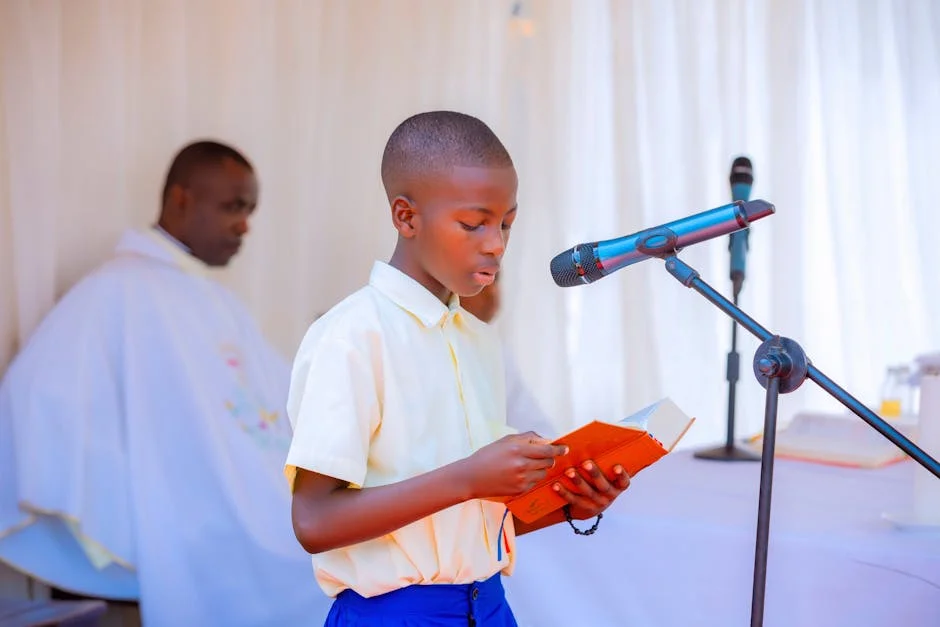
"This is not just a regional issue—it is a global concern," said Archbishop Peter Mokaya, the Catholic Archbishop of Yaoundé. "The Pope's words remind us that peace cannot be achieved through violence alone." The Vatican's statement also urged dialogue between the Cameroonian government and separatist leaders, emphasizing the need for inclusive political solutions.
Challenges to Development and Stability
The ongoing conflict in Cameroon's Anglophone region has severely hampered development efforts, particularly in education and healthcare. Over 1,200 schools have been destroyed, and many children have been denied access to education. The World Bank estimates that the conflict has cost the country over $2.5 billion in lost economic opportunities since 2017.
Healthcare systems in the region are also struggling. In Buea, the main city in the Southwest region, hospitals report shortages of medical supplies and staff due to the conflict. "We are seeing a rise in preventable diseases because people can't access basic care," said Dr. Esther Nkem, a local physician. The situation is further complicated by the spread of the Ebola virus in neighboring Democratic Republic of the Congo, which has raised fears of cross-border health risks.
Political and Social Tensions
The conflict stems from long-standing grievances between the English-speaking minority and the French-speaking majority. The 2016 judicial crisis, when Anglophone lawyers and teachers staged strikes over perceived marginalization, escalated into armed rebellion. Since then, the Cameroonian government has deployed military forces, leading to widespread human rights abuses, including reports of extrajudicial killings and enforced disappearances.
Civil society groups, including the Cameroonian Association of Human Rights Defenders, have called for an independent investigation into alleged abuses. "We are witnessing a deepening cycle of violence that threatens not only the people of Cameroon but the stability of the entire region," said activist Samuel Tchouangwa.
Pathways to Peace and Development
Despite the challenges, some local initiatives are showing promise. In the Northwest region, the Peace and Reconciliation Forum, a coalition of community leaders and religious groups, has been working to mediate between the government and separatist factions. "We need more support from the international community to sustain these efforts," said forum chairperson Nsangou Tabe.
The African Union has also called for an inclusive dialogue, emphasizing that peace is essential for achieving the United Nations' Sustainable Development Goals (SDGs), particularly those related to education, health, and economic growth. "Without peace, development is impossible," said AU Commissioner for Political Affairs, Amina J. Mohammed.
What to Watch Next
As the Pope's statement gains international attention, the next few weeks will be critical for the situation in Cameroon. A planned UN-led dialogue session in Geneva on 20 October could offer a chance for progress. Meanwhile, the Cameroonian government has announced a new peace initiative, though its effectiveness remains to be seen. For now, the people of the Anglophone region continue to live in uncertainty, hoping for a resolution that brings stability and development.
Frequently Asked Questions
What is the latest news about pope condemns violence in cameroons anglophone region?
Pope Leo has denounced the "endless cycle of death" in Cameroon's Anglophone region, calling for an immediate end to violence that has claimed over 3,000 lives since 2017.
Why does this matter for economy-business?
Global Condemnation and Local Impact The Pope's message has resonated with local leaders and international observers, highlighting the deepening humanitarian crisis in the region.
What are the key facts about pope condemns violence in cameroons anglophone region?
The United Nations has repeatedly called for peace, but violence persists, with attacks on schools and health facilities reported in cities like Buea and Kumba.
Political and Social Tensions The conflict stems from long-standing grievances between the English-speaking minority and the French-speaking majority. What to Watch Next As the Pope's statement gains international attention, the next few weeks will be critical for the situation in Cameroon.