In a landmark decision, Judge Igshaan Higgins of the South African High Court ruled that nafaqah, the Islamic concept of spousal support, can be used as a legal basis for civil claims between divorced Muslim spouses. The ruling, delivered in the case of Pangarker v. State, marks a significant shift in how religious principles are integrated into civil law, with potential implications across Africa. The case, which took place in Cape Town, has sparked discussions about the balance between religious rights and national legal frameworks.
What is nafaqah and why does it matter?
Nafaqah, derived from Islamic jurisprudence, refers to the financial support a Muslim husband is legally obligated to provide for his wife during and after marriage. In many African Muslim-majority regions, this principle has long been upheld within community and religious structures. However, its formal recognition in civil courts has been limited. Judge Igshaan Higgins’ ruling in Pangarker v. State is the first of its kind in South Africa, setting a legal precedent that could influence other African nations.
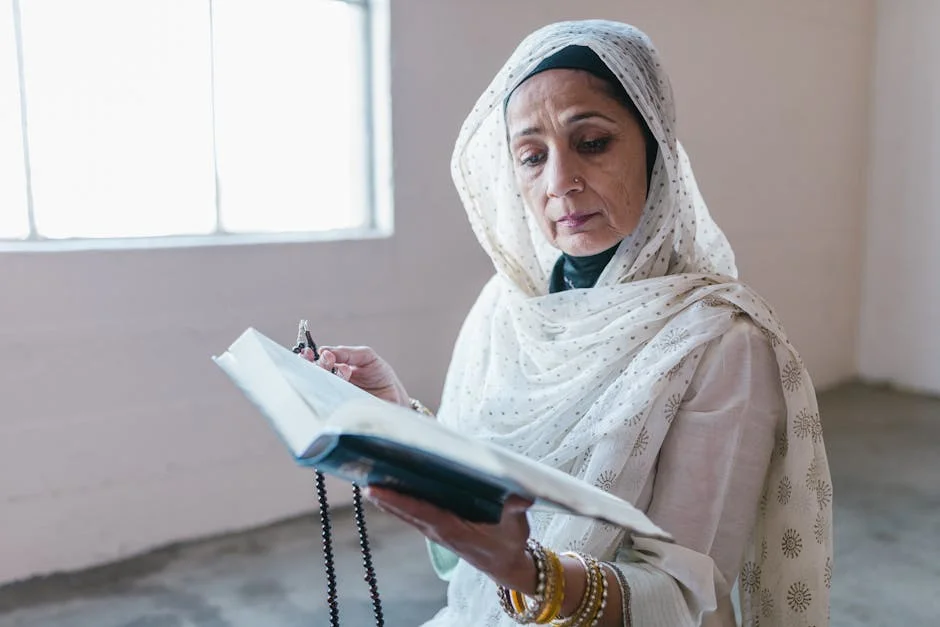
The case involved a Muslim couple from Cape Town who sought legal redress after the husband failed to provide financial support following their divorce. The court’s decision acknowledges that nafaqah is not just a religious duty but also a civil obligation under South African law. This aligns with the country’s constitution, which guarantees freedom of religion while ensuring equality before the law.
How does this ruling affect African development?
This development is particularly significant for African countries striving to balance traditional and modern legal systems. With over 40% of Africa’s population identifying as Muslim, the integration of Islamic legal principles into civil frameworks could enhance social cohesion and legal inclusivity. The ruling also highlights the need for African nations to develop legal systems that respect cultural and religious diversity while promoting gender equality and economic stability.
For Nigeria, where Islamic law is already in practice in some northern states, this ruling could prompt a re-evaluation of how spousal rights are protected. The case has already drawn attention from legal scholars and policymakers in Abuja, who are considering how similar principles could be applied in the Nigerian context. As Nigeria works to meet its Sustainable Development Goals, particularly those related to gender equality and economic empowerment, this case provides a critical reference point.
What is Pangarker and how did it influence the case?
Pangarker, a Muslim community in Cape Town, became the focal point of the case after a dispute over spousal support escalated into a legal battle. The community has long relied on Islamic principles to resolve family matters, but this case marked the first time a court formally recognized nafaqah as a legal claim. The ruling has been widely praised by local Muslim leaders, who see it as a step toward greater legal recognition of religious practices in public life.
The case also highlights the growing demand for legal reforms in South Africa. With over 14 million Muslims in the country, the integration of Islamic law into civil courts is increasingly seen as a matter of social justice. Judge Igshaan Higgins’ decision has been lauded as a progressive move, setting a precedent that could influence similar cases across the continent.
Challenges and Opportunities Ahead
While the ruling is a positive step, challenges remain in ensuring its widespread implementation. Legal experts warn that without clear guidelines, there could be inconsistencies in how nafaqah is applied across different regions. In Nigeria, for example, the application of Islamic law varies between states, and a similar case could face legal and political hurdles.
On the other hand, the ruling opens up new opportunities for African nations to develop legal frameworks that reflect their diverse cultural and religious landscapes. As countries work toward greater economic growth and social development, recognizing and integrating traditional practices into modern legal systems could help build more inclusive societies.
What’s next for Muslim communities in Africa?
Legal experts predict that this ruling will trigger a wave of similar cases across the continent. In Kenya, where Islamic law is increasingly being used in family matters, the decision could influence upcoming court rulings. In Egypt, where civil and religious courts often overlap, the case may prompt a re-evaluation of how spousal rights are protected.
For now, the focus remains on how African nations will adapt to this new legal precedent. As the African Union continues to promote regional integration and development, the ability to balance tradition with modernity will be key to long-term success. The case of Pangarker v. State serves as a reminder that legal reforms can have far-reaching consequences for social and economic progress.
The ruling by Judge Igshaan Higgins is a turning point for Muslim communities in Africa. As legal systems across the continent evolve, the integration of Islamic principles into civil law could pave the way for more equitable and inclusive societies. What happens next will depend on how governments and legal institutions choose to respond to this landmark decision.
See Also
The case also highlights the growing demand for legal reforms in South Africa. Legal experts warn that without clear guidelines, there could be inconsistencies in how nafaqah is applied across different regions.