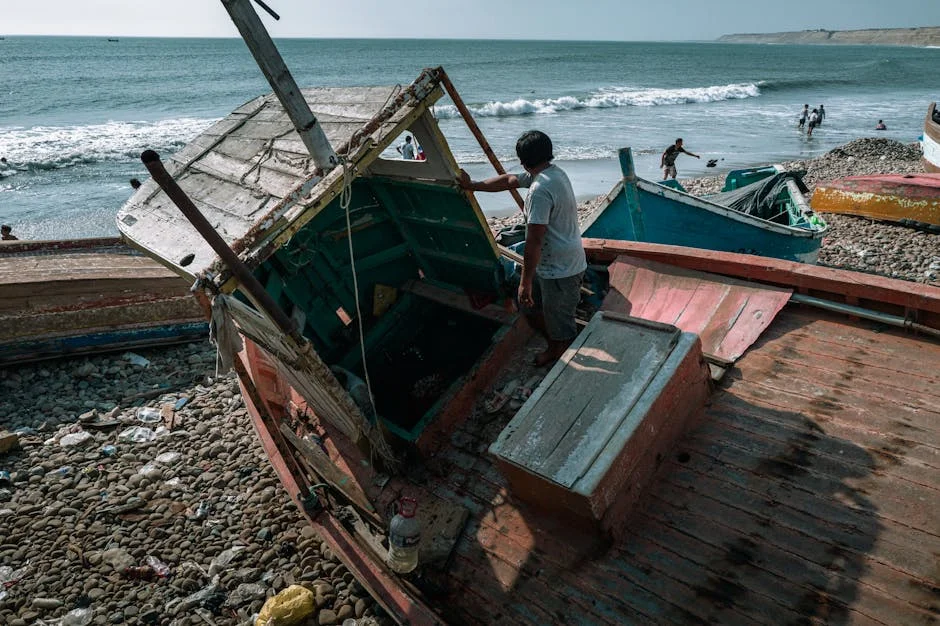
At least 250 people are feared dead after a migrant boat capsized in the Indian Ocean, according to the United Nations High Commissioner for Refugees (UNHCR). The vessel, carrying mostly African nationals, disappeared off the coast of Seychelles on Monday, sparking a large-scale search and rescue operation. The incident has reignited debates on regional migration policies and the lack of safe passage for displaced populations across the continent.
Humanitarian Crisis in the Indian Ocean
The tragedy underscores the growing dangers faced by African migrants attempting perilous sea crossings. The boat, believed to have left from the Horn of Africa, was carrying individuals from Somalia, Eritrea, and Sudan, according to UNHCR. Many sought refuge in the Middle East or Europe, but the route has become increasingly deadly due to overcrowded vessels and inadequate maritime enforcement.
“This is not just a regional issue, but a continental one,” said Amina Juma, a UNHCR spokesperson. “The lack of legal pathways forces people into the hands of human traffickers, putting their lives at risk.” The incident has also raised questions about the capacity of African nations to manage migration flows and provide support to displaced populations.
Regional and Continental Implications
The Indian Ocean has long been a critical transit route for migrants, particularly from the Horn of Africa. Countries like Kenya, Tanzania, and the Seychelles have seen an increase in arrivals, straining local resources and infrastructure. The recent sinking has prompted calls for greater coordination between African states and international bodies to address the root causes of displacement.
The United Nations has warned that without urgent action, such tragedies will continue to rise. “We must invest in development, education, and job creation in the regions driving migration,” said UN Secretary-General António Guterres. “This is not just about saving lives, but about building sustainable futures.”
Challenges to African Development Goals
The incident highlights the deepening challenges to achieving the United Nations’ Sustainable Development Goals (SDGs), particularly Goal 10 on reducing inequality and Goal 16 on promoting peaceful and inclusive societies. The lack of economic opportunities in many African nations continues to push people toward dangerous migration routes.
“Development cannot be separated from migration,” said Dr. Nia Njoroge, a Kenyan economist. “If we don’t create jobs and improve governance, we will keep losing our youth to perilous journeys.” The event has also sparked renewed interest in regional integration efforts, such as the African Continental Free Trade Area (AfCFTA), which aims to boost economic growth and reduce the push factors driving migration.
International Response and Calls for Action
The United Nations has launched an emergency appeal for funding to support search and rescue operations and provide aid to affected families. Meanwhile, regional bodies like the African Union have called for stronger cooperation in addressing migration. “We need a unified approach that protects the rights of migrants while addressing the causes of displacement,” said African Union Commissioner for Human Development, Amina J. Mohammed.
Some African governments, including Nigeria and South Africa, have faced criticism for their handling of migration. Nigeria, for instance, has been accused of deporting undocumented migrants without proper due process. The incident in the Indian Ocean has intensified pressure on these nations to reform their policies and invest in development.
What Comes Next?
As the search for survivors continues, the international community is preparing for a high-level summit on migration and displacement in June. The event, hosted by the United Nations, will bring together African leaders, regional organizations, and global stakeholders to discuss long-term solutions. The focus will be on creating legal migration pathways, strengthening border management, and investing in development projects across the continent.
For now, families of the missing remain in limbo, hoping for news of their loved ones. The tragedy serves as a stark reminder of the human cost of inaction. As the world watches, the question remains: will African nations and their partners finally take the necessary steps to prevent such disasters in the future?
See Also
- Proteas Aim for World Cup Glory in 2027: Here's How It Affects Nigeria
- BP-Backed Startup Cuts Nigeria Power Costs by 70% in Energy Shake-Up
What is the latest news about 250 missing after migrant boat sinks in indian ocean?
Why does this matter for environment-nature?
What are the key facts about 250 missing after migrant boat sinks in indian ocean?