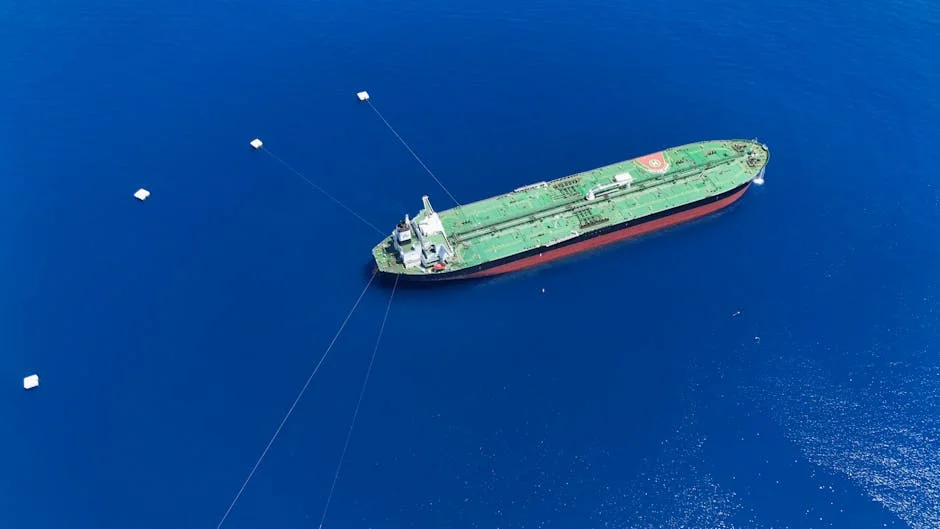
British Prime Minister Keir Starmer has declared the UK will not participate in any US-led efforts to block Iranian ports, a move that signals a shift in diplomatic alignment from the previous administration. The statement comes amid rising global tensions over Iran’s nuclear program and its regional influence, with the UK emphasizing its commitment to multilateral diplomacy over unilateral actions. The decision has immediate implications for trade routes through the Persian Gulf, a critical corridor for African and global commerce.
UK Stands Against US Strategy on Iran
Starmer’s announcement followed a meeting with senior foreign policy advisors, where he emphasized that the UK would not support any measures that could destabilize global trade. “We will not be part of a blockade that could disrupt vital shipping lanes and harm economies across Africa and the Middle East,” he said. The UK’s stance contrasts sharply with former US President Donald Trump, who had previously threatened to impose sanctions on Iran’s ports, a policy seen as provocative by many international observers.

The move highlights the UK’s broader strategy to position itself as a global leader in diplomatic engagement, particularly in regions where African nations have significant economic and political interests. The Persian Gulf, home to key shipping routes, is vital for trade between Africa and Asia, with countries like Nigeria and Kenya relying heavily on these pathways for imports and exports.
Impact on African Trade Routes
The UK’s decision is particularly significant for African nations that depend on the Suez Canal and the Strait of Hormuz for trade. These routes connect African markets to global supply chains, and any disruption could lead to increased costs and delays. Nigeria, for instance, imports a large portion of its fuel through these channels, making it vulnerable to any geopolitical shifts in the region.
“The UK’s stance provides much-needed clarity for African countries that are already navigating complex trade dynamics,” said Adebayo Adesina, an economic analyst at the African Development Bank. “By avoiding unilateral actions, the UK is helping to maintain stability in a region that directly affects African economic growth.”
Iran’s Role in Regional Stability
Iran’s influence in the Middle East has long been a point of contention, with its nuclear ambitions and support for regional groups like Hezbollah drawing international scrutiny. The UK’s rejection of a US-led blockade underscores its preference for diplomatic solutions over military or economic pressure. This approach aligns with the African Union’s emphasis on peaceful conflict resolution and economic cooperation.
“Iran’s role in the region is complex,” said Dr. Nia Ndiaye, a political scientist at the University of Cape Town. “While its actions have raised concerns, a coordinated international response is needed to ensure stability. The UK’s decision reflects a more balanced approach to global security.”
Trade and Security Implications
For African nations, the stability of trade routes through the Persian Gulf is a matter of economic survival. The Strait of Hormuz, for example, is used by over 20% of the world’s oil, and any disruption could lead to spikes in fuel prices across the continent. Nigeria, which relies on oil imports, has already seen inflation rise to 25% in 2024, a trend that could worsen if global supply chains are further disrupted.
At the same time, the UK’s position sends a message to other global powers that African interests must be considered in international decision-making. With the African Union pushing for greater representation in global institutions, the UK’s stance may encourage more inclusive dialogue on trade and security issues.
What to Watch Next
The UK’s decision sets a precedent for how major global powers engage with Middle East conflicts, with implications for African trade and security. The next key development will be the response from the US, which has not yet commented on the UK’s position. Meanwhile, African nations are expected to continue advocating for stable trade routes and diplomatic solutions to regional tensions.
By the end of the year, the African Union is set to hold a summit on trade and economic integration, where the impact of global geopolitical shifts on African economies will be a central topic. As tensions in the Middle East continue to evolve, the UK’s approach may serve as a model for how international actors can support African development without exacerbating regional instability.
Frequently Asked Questions
What is the latest news about starmer vows uk will not join trumps iran port blockade?
British Prime Minister Keir Starmer has declared the UK will not participate in any US-led efforts to block Iranian ports, a move that signals a shift in diplomatic alignment from the previous administration.
Why does this matter for economy-business?
The decision has immediate implications for trade routes through the Persian Gulf, a critical corridor for African and global commerce.
What are the key facts about starmer vows uk will not join trumps iran port blockade?
“We will not be part of a blockade that could disrupt vital shipping lanes and harm economies across Africa and the Middle East,” he said.
Nigeria, which relies on oil imports, has already seen inflation rise to 25% in 2024, a trend that could worsen if global supply chains are further disrupted. “While its actions have raised concerns, a coordinated international response is needed to ensure stability.