Soho House, the exclusive members’ club known for its luxury lounges and creative spaces, has opened its first Japanese outpost in Tokyo’s Aoyama district, marking a major step in its global expansion. The 12,000-square-foot venue, which opened in March 2024, includes a restaurant, bar, and private workspaces, attracting a mix of local and international clientele. The move comes as the US-based company continues to grow its presence across Asia, with plans to open similar clubs in other major cities.
Global Expansion and Market Strategy
Soho House, which originated in London in 1995, has long been a symbol of high-end social and professional networking. The Tokyo location, located in the upscale Aoyama district, is part of a broader strategy to tap into the growing demand for premium lifestyle spaces in Asia. The club’s CEO, Richard Dusgate, said the Tokyo launch reflects the company’s confidence in the region’s market potential. “Japan is a key market for us, and Aoyama is a hub for creativity and business,” he said in a recent interview.
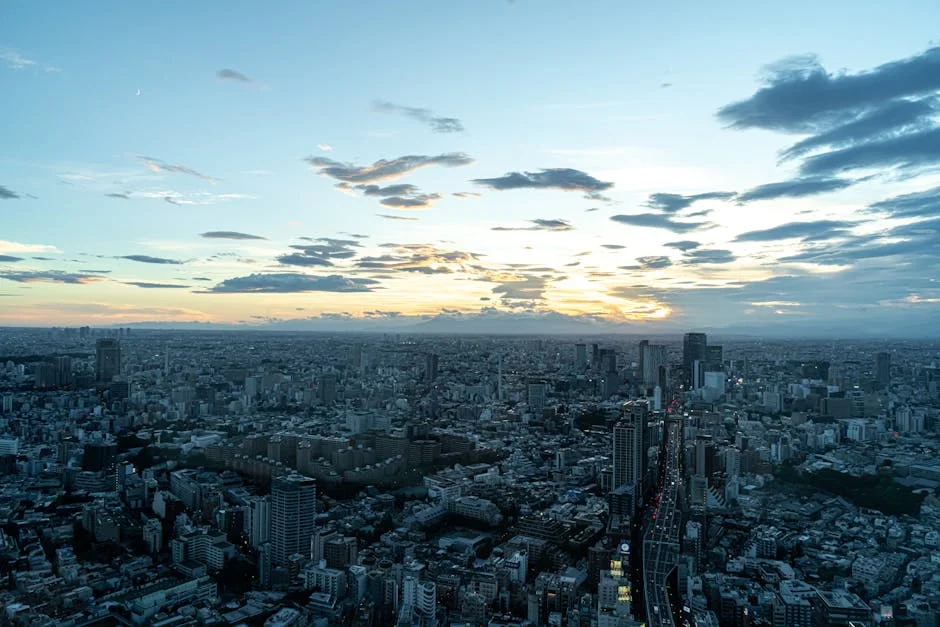
The club’s entry into Japan follows similar expansions in cities like Shanghai and Singapore. With an estimated 15,000 members across its global locations, Soho House aims to attract a similar demographic in Tokyo, including entrepreneurs, artists, and corporate professionals. The venue also includes a rooftop terrace with views of the city, a feature that has become a hallmark of Soho House’s design philosophy.
Implications for African Development
While the Tokyo opening may seem unrelated to African development, the broader trend of global lifestyle brands expanding into new markets has indirect implications for the continent. As companies like Soho House seek to diversify their revenue streams, they often look to emerging markets with growing middle classes. This pattern could offer lessons for African countries aiming to attract foreign investment and build modern infrastructure.
For instance, Nigeria’s economic reforms and efforts to improve its business environment have drawn interest from international firms. In 2023, the Nigerian government launched a campaign to attract foreign direct investment, citing the country’s large consumer base and strategic location. The success of such initiatives could mirror the strategies of global brands that have successfully entered new markets, such as Tokyo.
However, the challenge for African nations lies in creating ecosystems that support not just luxury services but also broader economic development. While a Soho House in Tokyo may symbolise global recognition, African countries need to focus on building infrastructure, improving governance, and investing in education and health to create sustainable growth.
Lessons from the Global Marketplace
The Soho House expansion highlights the importance of location and branding in global business. Aoyama’s reputation as a cultural and commercial hub made it an ideal choice for the club. Similarly, African cities like Lagos, Nairobi, and Cape Town are positioning themselves as regional hubs, but they must overcome challenges such as inconsistent regulations and limited access to capital.
For African entrepreneurs and policymakers, the Tokyo move offers a case study in how global brands assess new markets. The success of Soho House in Japan suggests that a combination of strong branding, strategic location, and high-quality services can drive growth. African countries can learn from this by focusing on their unique strengths and building supportive environments for innovation and investment.
Infrastructure and Governance as Key Factors
One of the most critical factors in attracting global investment is infrastructure. Tokyo’s well-developed transport network and digital connectivity make it an attractive destination for businesses. In contrast, many African countries still face challenges in improving roads, electricity, and internet access. A report by the African Development Bank found that inadequate infrastructure costs the continent up to 4% of its GDP annually.
Governance also plays a crucial role. Transparent and stable policies are essential for foreign investors. In Nigeria, for example, the government has made strides in improving its business climate, but corruption and bureaucratic delays remain significant hurdles. A recent World Bank report noted that Nigeria ranks 134th out of 190 countries in terms of ease of doing business.
What to Watch Next
The success of Soho House in Tokyo will likely influence the strategies of other global brands looking to expand into Asia. For African development, the key takeaway is the need for sustained investment in infrastructure, education, and governance. As the continent continues to grow, it must create environments that not only attract luxury brands but also support long-term economic progress.
Looking ahead, African countries should monitor global trends and learn from successful models. The next few years will be critical for policy reforms, and the ability to adapt and innovate will determine how well the continent can integrate into the global economy. Investors and policymakers alike should keep an eye on how African cities position themselves in the coming months.