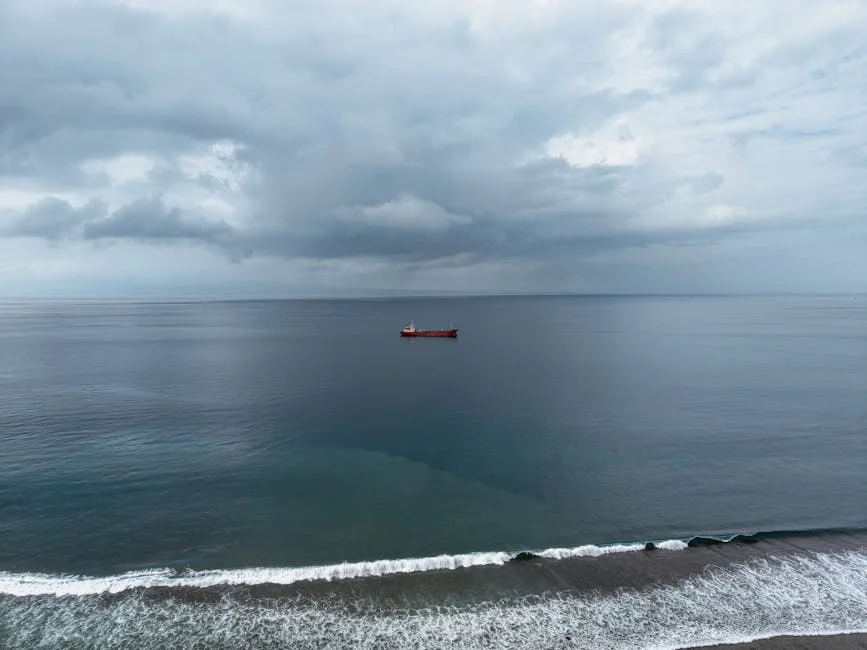
The Strait of Hormuz, a critical artery for global oil trade, is currently experiencing a near-complete shutdown, with only a "trickle" of oil passing through despite a reported ceasefire. The situation has raised alarms among global energy experts, particularly in Nigeria, where the strait's stability directly affects fuel imports and economic stability. The region's geopolitical tensions have created uncertainty, with the Nigerian Ministry of Petroleum Resources closely monitoring the situation.
Global Oil Flow Slows Amid Tensions
According to the International Energy Agency (IEA), oil shipments through the Strait of Hormuz have dropped by over 90% in the past week, with only a handful of tankers navigating the narrow waterway. This decline has sent shockwaves through global markets, with oil prices rising by nearly 5% in a single day. The strait, which handles about 20% of the world's oil supply, is a linchpin for global energy security.
The Nigerian government has expressed concern over the potential ripple effects on its energy sector. Nigeria relies heavily on oil imports, with the country's refineries operating at less than 40% capacity. "A prolonged closure of the Strait of Hormuz would disrupt our fuel supply chains and could lead to a sharp increase in prices," said Dr. Chukwuemeka Nwabudike, an energy analyst at the Nigerian Institute of International Affairs.
Impact on African Development Goals
The situation in the Strait of Hormuz is more than a regional concern—it has direct implications for Africa's development. Energy security is a cornerstone of the African Union's Agenda 2063, which aims to foster sustainable economic growth and reduce dependency on imported fuels. A disruption in oil supply could slow progress on this goal, particularly for countries like Nigeria, which depend on oil for both domestic consumption and export revenue.
Experts warn that the ripple effects could be felt across the continent. "If the Strait remains closed for an extended period, it could lead to a surge in global oil prices, which would impact African economies already struggling with inflation and currency devaluation," said Dr. Amina Adewale, a senior economist at the African Development Bank. "This could derail efforts to boost industrialization and create jobs."
The situation also highlights the vulnerability of African nations to external geopolitical events. Many African countries lack the infrastructure to produce enough energy domestically, making them highly dependent on global markets. "This is a wake-up call for Africa to invest more in renewable energy and regional energy integration," said Dr. Nwabudike.
Regional Implications and Local Reactions
Local communities in Nigeria, particularly in Lagos and Port Harcourt, are already feeling the effects of the oil crisis. Fuel shortages have led to long lines at gas stations, with some areas reporting a 30% drop in available fuel. "We are seeing panic buying and price hikes in some areas," said a local business owner in Lagos. "This is not sustainable."
The Nigerian government has announced plans to expedite the repair of local refineries and increase investment in alternative energy sources. However, these measures may take years to yield results. In the short term, the focus is on securing alternative supply routes and stabilizing prices.
What to Watch Next
The next 48 hours will be critical in determining whether the Strait of Hormuz will remain open. International diplomatic efforts are underway, with the United Nations and the African Union calling for de-escalation. Meanwhile, Nigeria's Ministry of Petroleum Resources has urged the public to remain calm and prepare for potential fuel shortages.
Experts predict that if the strait remains closed beyond the next week, the global oil market could face a severe crisis. For African nations, this could mean a renewed push for energy independence and regional cooperation. "This is a moment for Africa to rethink its energy strategy," said Dr. Adewale. "We cannot afford to be at the mercy of global geopolitics."
The coming days will reveal whether the region can navigate this crisis or if the disruptions will have lasting consequences for economic growth and development across the continent.
Frequently Asked Questions
What is the latest news about strait of hormuz sees trickle of oil amid ceasefire fears?
The Strait of Hormuz, a critical artery for global oil trade, is currently experiencing a near-complete shutdown, with only a "trickle" of oil passing through despite a reported ceasefire.
Why does this matter for environment-nature?
The region's geopolitical tensions have created uncertainty, with the Nigerian Ministry of Petroleum Resources closely monitoring the situation.
What are the key facts about strait of hormuz sees trickle of oil amid ceasefire fears?
This decline has sent shockwaves through global markets, with oil prices rising by nearly 5% in a single day.
"If the Strait remains closed for an extended period, it could lead to a surge in global oil prices, which would impact African economies already struggling with inflation and currency devaluation," said Dr. "This could derail efforts to boost industrialization and create jobs." The situation also highlights the vulnerability of African nations to external geopolitical events.