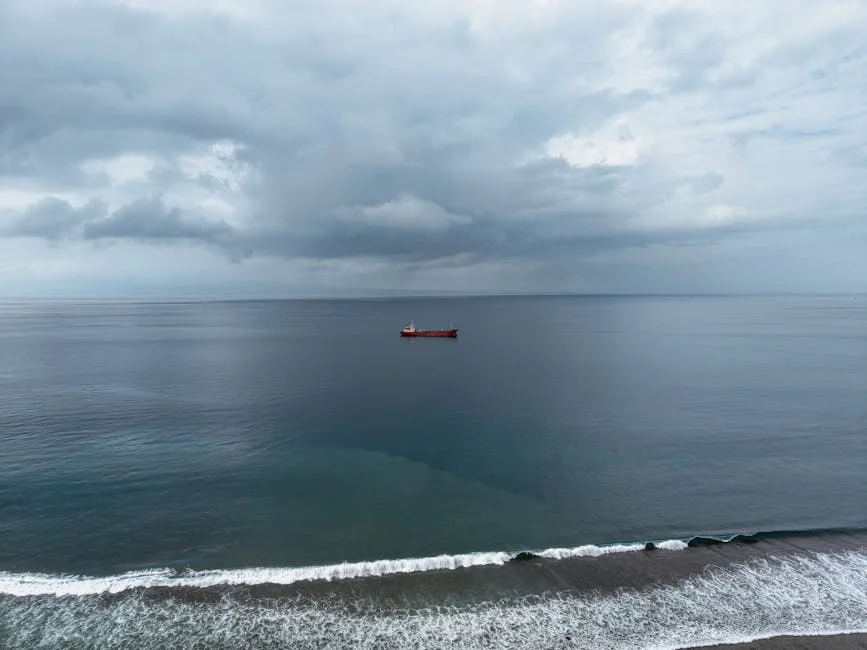
Nigeria’s federal government has launched an urgent review of shipping and packaging challenges faced by exporters, as the ongoing Middle East crisis threatens to disrupt trade routes and increase costs. The move comes after a 15% spike in shipping fees from the Red Sea to West Africa, according to the Nigeria Export Promotion Council. The review, led by the Ministry of Trade and Investment, aims to identify bottlenecks and propose relief measures for businesses reliant on international trade.
Shipping Challenges Escalate Amid Regional Tensions
The Middle East crisis has created a ripple effect on global shipping lanes, with the Suez Canal and Red Sea routes experiencing delays and increased security risks. Nigeria, a key player in West African trade, is particularly vulnerable. The government has identified Lagos and Port Harcourt as the main ports affected, with some shipments taking up to 10 days longer to clear customs. This has placed additional pressure on local businesses, many of which are already struggling with inflation and currency fluctuations.
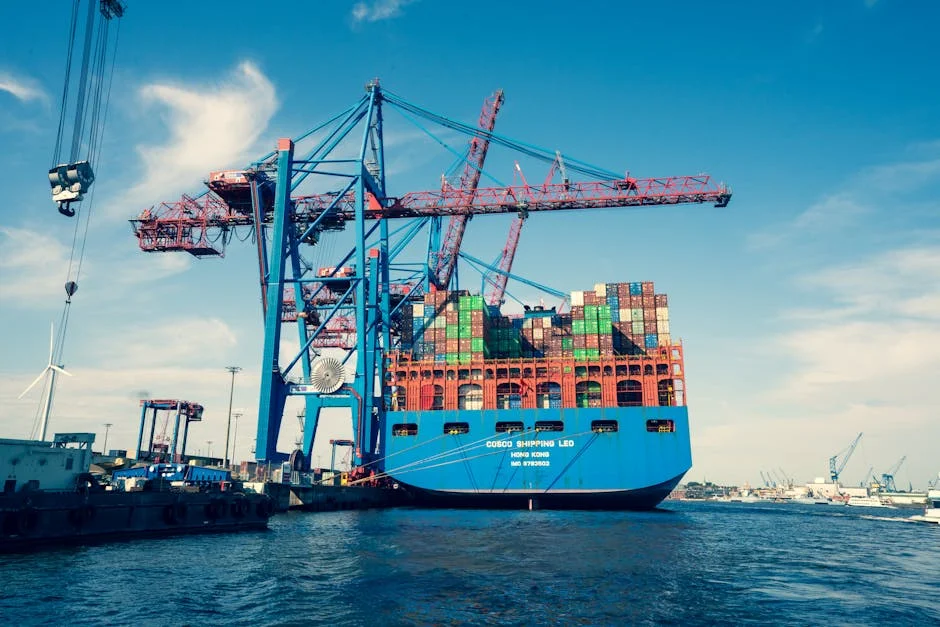
The Ministry of Trade and Investment has confirmed that the review is part of a broader effort to strengthen the country’s trade resilience. “We are looking at alternative shipping routes and ways to reduce the burden on local exporters,” said Minister of Trade and Investment, Ngozi Okonjo-Iweala. The government is also considering subsidies for companies that face delays due to the crisis.
Relief Measures Under Discussion
As part of the review, officials are exploring temporary relief measures to support exporters. These include a proposed 10% reduction in shipping taxes for goods bound for the Middle East and Europe, as well as expedited customs clearance for critical goods. The National Council of Industries has endorsed the plan, citing the need to protect Nigeria’s export sector from further shocks.
However, some business leaders remain skeptical. “While the review is a positive step, we need more concrete action,” said Chike Nwosu, CEO of Nwosu Trading Company. “The delays are already affecting our bottom line, and we need immediate support.” The government has not yet announced a timeline for implementing the proposed measures.
Impact on African Development Goals
The shipping crisis highlights the interconnectedness of African economies and the challenges they face in a globalised world. For Nigeria, a country with a growing export sector, the Middle East conflict threatens to undermine progress toward Sustainable Development Goals (SDGs), particularly Goal 8 on decent work and economic growth. The situation also underscores the need for regional integration and infrastructure investment to reduce dependency on volatile global supply chains.
Experts argue that the crisis could serve as a catalyst for greater African self-reliance. “This is a wake-up call,” said Dr. Adebayo Adeyemi, an economist at the University of Ibadan. “Africa must invest in its own logistics and trade networks to reduce exposure to external shocks.”
What’s Next for Nigerian Exporters?
The government has set a deadline of mid-September for finalising the review and announcing relief measures. Exporters are being urged to submit their concerns to the Ministry of Trade and Investment by August 30. Meanwhile, some businesses are exploring alternative routes, such as the Cape of Good Hope, though these are more expensive and time-consuming.
As the Middle East situation remains volatile, the focus will be on how Nigeria adapts. The outcome of the review could set a precedent for how African nations respond to global disruptions. For now, exporters are watching closely, hoping for clarity and support.
Looking Ahead
The next key development will be the government’s official response to the shipping review, expected by early September. Exporters, traders, and industry bodies will be closely monitoring the situation, as the outcome could determine the viability of many businesses. With the Middle East crisis showing no signs of resolution, the need for a coordinated and resilient trade strategy has never been more urgent.