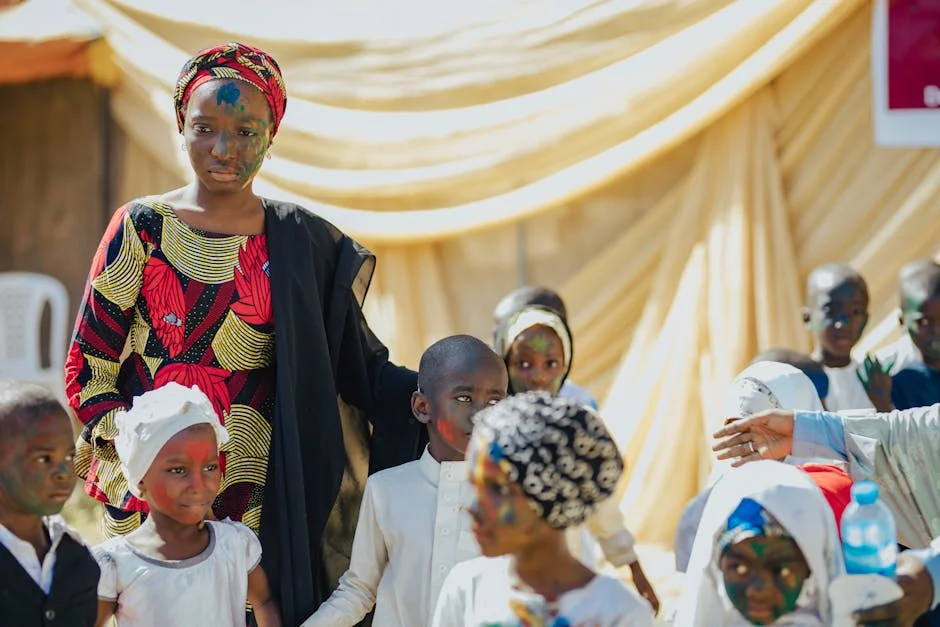
Nigeria’s federal government has launched a nationwide initiative to provide free school meals to 2 million children, aiming to improve nutrition and school attendance in underserved communities. The program, announced by the Ministry of Education in Lagos, targets children in primary schools across 15 states, with a focus on rural areas where food insecurity is most acute. The initiative is part of the broader National Social Investment Programme (NSIP), which has been a key component of President Bola Tinubu’s development agenda since taking office in 2023.
Free Meals Aimed at Boosting Education and Nutrition
The free meal program is designed to address the dual challenges of malnutrition and low school enrollment, particularly among children from low-income families. Each child will receive a daily meal consisting of rice, beans, and a portion of vegetables, sourced from local farmers to support the national agricultural sector. According to the Ministry of Education, the initiative will be rolled out in phases, with the first phase reaching 2 million children by the end of 2025. The program is expected to benefit over 10,000 schools, with each meal costing approximately 200 naira (about $0.50) per child per day.

“This is a critical step in ensuring that every child, regardless of their background, has access to both education and nourishment,” said Education Minister Tunde Fashola. “We are not just feeding children—we are investing in the future of Nigeria.” The program is funded through a combination of federal allocations and partnerships with international development agencies, including the World Food Programme (WFP), which has provided technical support for the logistics of meal distribution.
Addressing Food Insecurity and School Dropout Rates
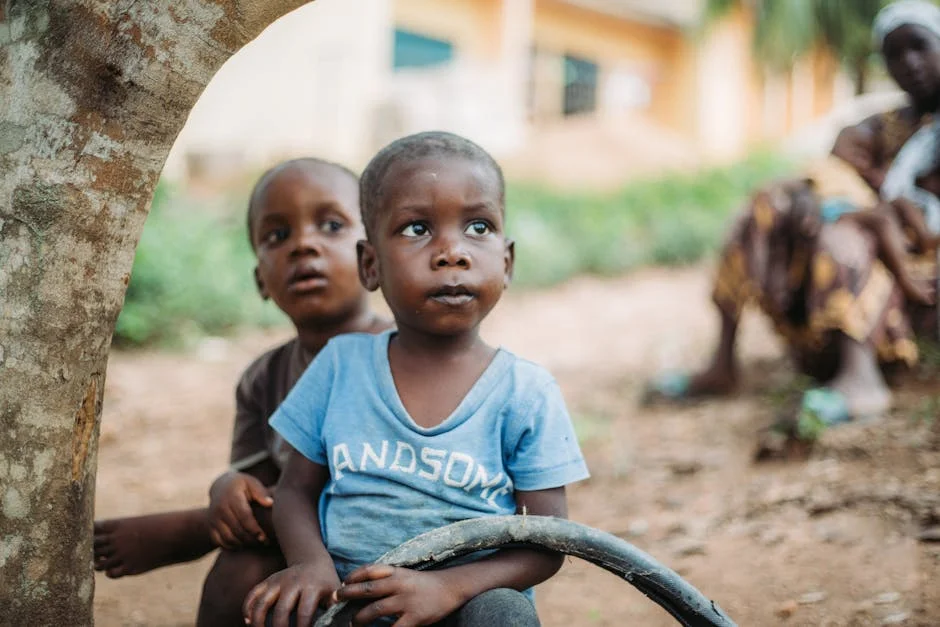
Nigeria faces one of the highest rates of child hunger in the world, with over 16 million children suffering from acute malnutrition, according to the United Nations Children's Fund (UNICEF). The new meal program is seen as a direct response to this crisis, particularly in regions like the North-East, where conflict and poverty have severely disrupted education. In Borno State, for example, where more than 40% of children are out of school, the initiative could play a vital role in encouraging families to send their children to school rather than keep them at home to work or care for younger siblings.
“For many families, the cost of school meals is a major barrier,” said Dr. Amina Musa, a nutritionist based in Kano. “This program not only reduces the financial burden but also improves concentration and academic performance. When children are well-fed, they are more likely to stay in school and succeed.” The program is also expected to create job opportunities for local farmers and food processors, aligning with the government’s goal of boosting rural economies and reducing reliance on imported food products.
Challenges and Long-Term Sustainability
Despite the positive reception, experts have raised concerns about the long-term sustainability of the program. Funding for the initiative is currently dependent on federal allocations, which have been volatile in recent years due to fluctuating oil prices and budget constraints. There are also logistical challenges, including the distribution of meals to remote areas and ensuring that the food meets nutritional standards.
“This is a promising start, but we need a more comprehensive strategy to ensure that the program can be scaled up and sustained over time,” said Dr. Chidi Nwosu, an economist at the University of Lagos. “Investing in local agriculture and strengthening the supply chain will be key to making this initiative a lasting success.”
Local Partnerships and Community Involvement
The success of the program also hinges on strong local partnerships and community involvement. In Kaduna State, for instance, local cooperatives have been trained to manage meal preparation and distribution, ensuring that the program is both efficient and culturally appropriate. These initiatives not only empower local communities but also help reduce dependency on external aid.
Community leaders have expressed cautious optimism about the program. “We hope this will be a game-changer for our children,” said Mrs. Grace Okafor, a parent in Abuja. “But we need to see consistent support from the government and more transparency in how the funds are used.”
Looking Ahead: A Model for African Development
The Nigerian government’s free school meal initiative could serve as a model for other African nations facing similar challenges. With over 25 million children out of school across the continent, programs that combine education with nutrition can have a transformative impact. The success of this initiative will depend on sustained political will, adequate funding, and active community participation.
As the program moves into its next phase, stakeholders will be closely watching how it performs in different regions and whether it can be expanded to reach even more children. For now, the focus remains on ensuring that every child has access to a nutritious meal and a chance to learn, laying the foundation for a stronger, more prosperous Nigeria.
Challenges and Long-Term Sustainability Despite the positive reception, experts have raised concerns about the long-term sustainability of the program. When children are well-fed, they are more likely to stay in school and succeed.” The program is also expected to create job opportunities for local farmers and food processors, aligning with the government’s goal of boosting rural economies and reducing reliance on imported food products.