Somalia is standing on the precipice of a new famine, driven by a brutal convergence of relentless drought, shrinking international aid, and persistent internal conflict. The humanitarian situation in Mogadishu and surrounding regions has deteriorated sharply, threatening to undo years of fragile progress in one of Africa’s most vulnerable nations. This crisis is not merely a local emergency; it serves as a stark warning about the fragility of African development goals when governance and climate resilience fail to align.
Aid Cuts Expose Critical Gaps in Resilience
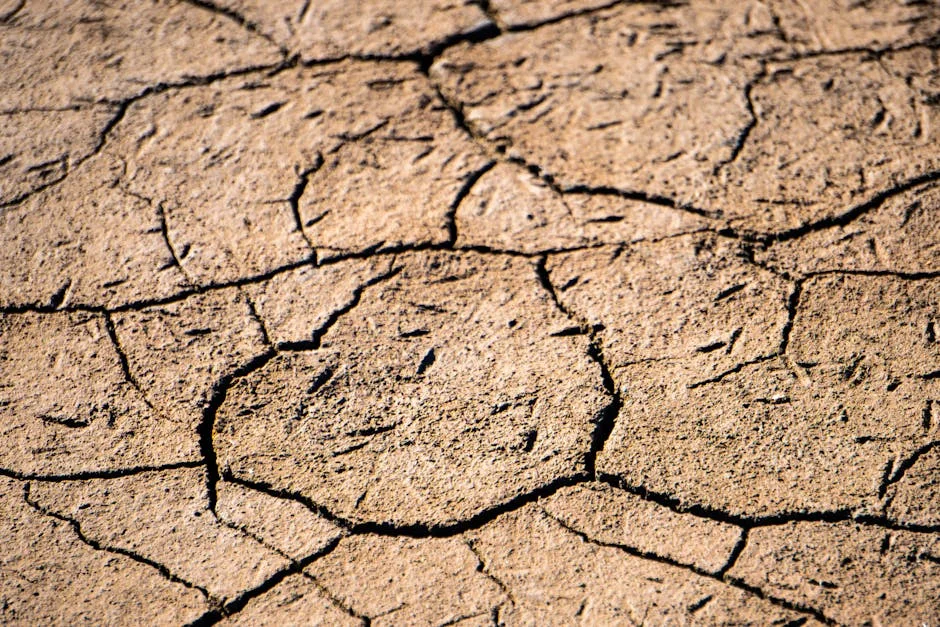
International donors have begun to scale back their contributions to Somalia, a move that has immediate and devastating consequences for millions of displaced Somalis. The United Nations World Food Programme (WFP) recently warned that without urgent funding, the number of acutely food-insecure people could surge by millions within months. This reduction in aid comes at a critical juncture, just as the effects of the El Niño weather pattern begin to recede, leaving behind parched lands and depleted livestock.
The timing of these cuts reveals a deeper structural weakness in how African nations manage external dependencies. Somalia relies heavily on foreign aid to sustain its health and education sectors. When global priorities shift, as they have recently toward other geopolitical hotspots, the social fabric of such nations begins to unravel. This dependency model hinders long-term economic growth and keeps the country in a perpetual state of emergency rather than steady development.
Conflict Undermines Recovery Efforts in Key Regions
While the weather plays a major role, the ongoing conflict between the Federal Government of Somalia and the Al-Shabaab insurgency remains the single biggest obstacle to recovery. Fighting in central and southern regions has disrupted supply chains, forcing traders to impose higher prices on essential goods. In Hargeisa, the capital of the semi-autonomous Somaliland region, markets are seeing inflation rates climb as transport routes from the south become increasingly perilous.
The presence of armed conflict means that infrastructure projects, crucial for long-term development, are often delayed or abandoned. Roads that connect rural farming communities to urban markets remain in disrepair, forcing farmers to sell their produce at a fraction of the market value. This economic strangulation prevents capital accumulation in the agricultural sector, which is the backbone of the Somali economy. Without security, investment remains hesitant, and the cycle of poverty continues to tighten.
Displacement and the Strain on Urban Centers
The influx of rural populations into cities like Mogadishu has placed an unprecedented strain on urban infrastructure. Slums are expanding rapidly, often without adequate access to clean water or sanitation facilities. This rapid, unplanned urbanization creates new public health challenges, including the resurgence of cholera and measles outbreaks. The government’s ability to manage this demographic shift is limited by a stretched budget and competing security priorities.
Urban centers are becoming melting pots of social tension, as resources become scarcer. The competition for land and water between long-time residents and new arrivals often leads to localized conflicts, further complicating the security landscape. Addressing this requires more than just food aid; it demands a comprehensive urban planning strategy that integrates housing, healthcare, and job creation. However, such strategies require stable governance and consistent funding, both of which are currently in short supply.
Climate Change as a Development Multiplier
The drought in Somalia is not an isolated weather event but a symptom of broader climate change impacts affecting the Horn of Africa. Rising temperatures and erratic rainfall patterns are reducing the carrying capacity of the land, forcing pastoralists to migrate further than ever before. This environmental stressor acts as a threat multiplier, exacerbating existing social and economic vulnerabilities across the continent.
African development goals, such as those outlined in the African Union’s Agenda 2063, emphasize climate resilience as a cornerstone of economic stability. However, the reality on the ground in Somalia shows that without concrete action, these goals remain aspirational. The lack of investment in irrigation systems, early warning technologies, and crop diversification leaves the population exposed to every climatic shift. This highlights the urgent need for continental cooperation on climate adaptation strategies.
Regional Implications for African Stability
The crisis in Somalia does not exist in a vacuum; its repercussions ripple across the entire Horn of Africa and beyond. Neighboring countries like Kenya and Ethiopia are already feeling the pressure from refugee inflows and cross-border trade disruptions. For Nigeria, the largest economy in Africa, the situation in Somalia serves as a case study in how climate and conflict can destabilize a region, affecting trade routes and security dynamics.
The instability in Somalia also draws in regional and international actors, each with their own strategic interests. The African Union Transition Mission in Somalia (ATMIS) continues to play a crucial role in security, but its effectiveness is hampered by funding gaps and logistical challenges. This external involvement, while necessary, can sometimes complicate local governance structures, making it harder for Somali leaders to assert full sovereignty over their development path.
The Human Cost: Health and Education in Decline
Perhaps the most heartbreaking aspect of this crisis is its impact on the future generation. Schools in drought-affected areas are closing due to a lack of funds and the need for children to contribute to household income by herding goats or fetching water. When education is interrupted, the long-term human capital of the nation suffers, making it harder to build a skilled workforce capable of driving economic growth.
Healthcare facilities are also struggling to cope with the influx of patients suffering from malnutrition and water-borne diseases. The World Health Organization (WHO) has reported that many clinics are running low on essential medicines and vaccines. This decline in health and education services creates a vicious cycle: poor health reduces productivity, which lowers income, which further limits access to education and healthcare. Breaking this cycle requires targeted interventions that address both immediate needs and long-term structural issues.
Pathways to Resilience and Recovery
Addressing the crisis in Somalia requires a multi-faceted approach that goes beyond emergency food distribution. Investment in infrastructure, such as roads, ports, and energy grids, is essential to stimulate economic activity and reduce the cost of living. Additionally, strengthening local governance and reducing corruption will help ensure that aid reaches those who need it most. These steps are critical for building a foundation for sustainable development.
Regional cooperation is also vital. The East African Community and the Intergovernmental Authority on Development (IGAD) have the potential to coordinate a more unified response to the drought and conflict. By sharing resources, data, and best practices, these organizations can help Somalia and its neighbors build greater resilience to future shocks. This collaborative approach aligns with the broader pan-African vision of integration and shared prosperity.
What to Watch: The Next Critical Months
The coming months will be decisive for Somalia’s future. The success or failure of the upcoming rainy season will determine whether the current drought turns into a full-blown famine. International donors will need to make critical funding decisions in the next quarter, which will directly impact the scale of the humanitarian response. Observers should closely monitor the peace talks between the federal government and regional states, as political stability is a prerequisite for effective development.
Furthermore, the performance of the ATMIS mission and the transition of security responsibilities to Somali forces will be key indicators of the country’s stability. Any setbacks in these areas could reignite conflict, undoing recent gains in security and economic activity. For African development advocates, Somalia remains a critical test case for how the continent can navigate the complex interplay of climate, conflict, and governance. The outcome will have far-reaching implications for the broader African development agenda.