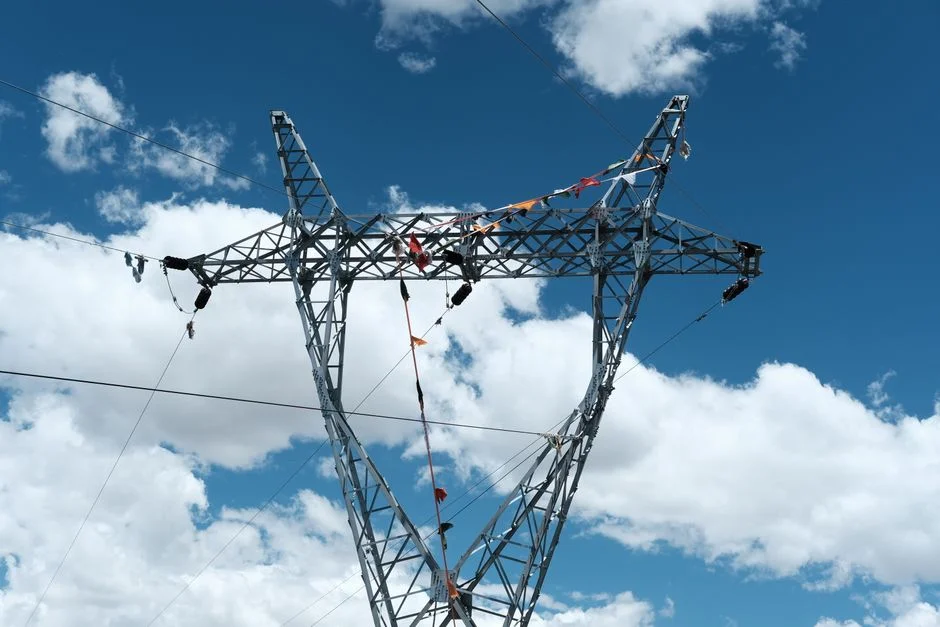
Pakistan has announced new measures to reduce energy consumption as oil prices soar. The government’s decision comes amid rising inflation, with schools and public services expected to feel the impact of these cuts. This move raises important questions about energy sustainability and economic resilience in developing countries like Nigeria.
Rising Oil Prices Prompt Energy Restrictions
In response to escalating global oil prices, the Pakistani government has implemented significant energy-saving measures aimed at curbing consumption across various sectors, including schools. With oil prices soaring past $100 a barrel, the government is keen to manage its resources effectively, ensuring that essential services continue to operate without major disruptions.

Impact on Education and Public Services in Pakistan
The energy cuts will affect schools nationwide, leading to shorter hours and potential disruptions in the academic calendar. Pakistani officials stated that these measures are temporary but necessary to mitigate the financial strain caused by the oil price spike. In a country where education quality is already challenged by resource constraints, these developments could exacerbate existing issues.
Lessons for Nigeria: How Pakistan Matters
Pakistan's current situation brings to light critical lessons for Nigeria, a country that faces its own energy challenges. With a population of over 200 million, Nigeria grapples with frequent power shortages and a heavy reliance on oil revenues. As Pakistan navigates its energy crisis, Nigerian policymakers must consider how similar measures could affect their education sector and broader economic growth.
Opportunities for Energy Transition in Africa
The energy situation in Pakistan presents an opportunity for African countries, including Nigeria, to expedite their transition to renewable energy sources. As the continent works towards achieving the African Union's Agenda 2063 development goals, investing in sustainable energy infrastructure can foster economic growth, improve health systems, and enhance educational opportunities.
What to Watch: Future Developments in Energy Policy
As Pakistan implements these energy-saving measures, stakeholders should closely monitor the impacts on education and public services. For Nigeria, understanding the long-term effects of such policies in Pakistan can inform its strategies for dealing with oil price volatility and energy sustainability. Emphasising governance and investment in renewable energy could lead to more resilient economies across the continent.
See Also
- Royal Majestic Durban Unveils New Skyline – What This Means for Local Development
- Nigeria Slams South Africa Over Xenophobic Attacks — Ghanaians Bear the Brunt
As the continent works towards achieving the African Union's Agenda 2063 development goals, investing in sustainable energy infrastructure can foster economic growth, improve health systems, and enhance educational opportunities.What to Watch: Future Developments in Energy PolicyAs Pakistan implements these energy-saving measures, stakeholders should closely monitor the impacts on education and public services. With a population of over 200 million, Nigeria grapples with frequent power shortages and a heavy reliance on oil revenues.
What is the latest news about pakistan cuts energy consumption to combat oil price shock what it means for nigeria?
Why does this matter for economy-business?
What are the key facts about pakistan cuts energy consumption to combat oil price shock what it means for nigeria?