Communities displaced by drought and extreme weather across Zimbabwe are now facing a second crisis: government-ordered evictions that human rights groups say are accelerating. Families who fled their farms after consecutive poor harvests have settled in informal settlements outside major cities, only to find themselves caught between climate devastation and a security crackdown that has intensified in recent weeks.
Drought and Displacement: The Climate Link
The migration patterns visible in Zimbabwe today trace directly to the country's worsening climate instability. Agricultural zones that once sustained rural communities have become unreliable as rainfall patterns shift and droughts grow more frequent. Families who lost crops or livestock have poured into urban peripheries, setting up temporary homes in areas with no formal services or land tenure.
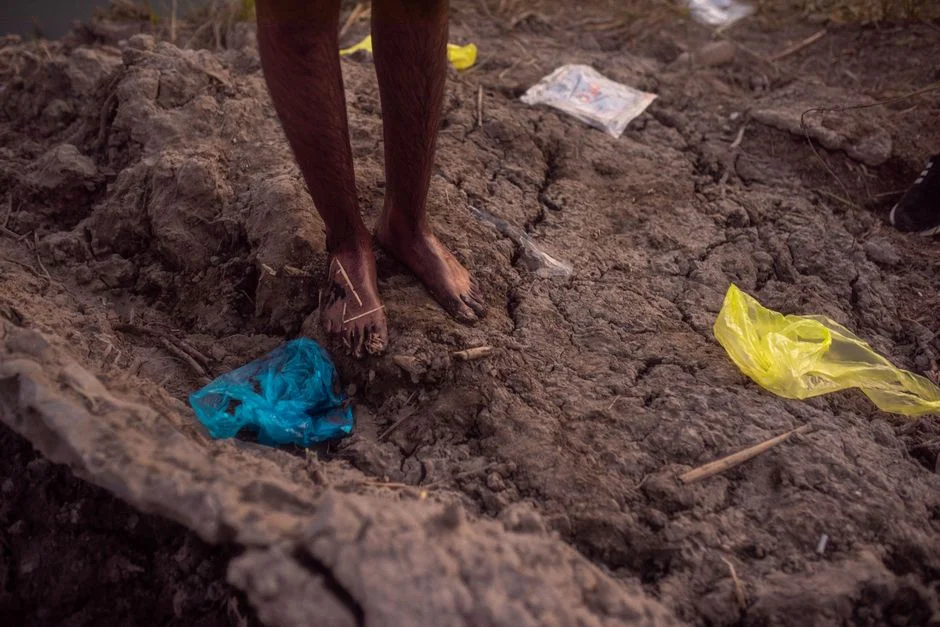
Humanitarian organisations operating in the region confirm that climate-related displacement is a primary driver of these population movements. Unlike political refugees who flee conflict, these migrants have been pushed out by environmental conditions beyond their control — yet they face similar vulnerabilities once displaced.
The government has responded not with assistance but with enforcement. Operation My House, a nationwide campaign targeting illegal structures and informal settlements, has swept through communities that climate migrants call home.
Security Operations Target Displaced Communities
Authorities in Zimbabwe have escalated what officials describe as urban renewal and order-maintenance campaigns. The operations have targeted informal housing clusters near Harare, Bulawayo, and smaller regional centres where displaced populations have congregated.
Witnesses in several affected areas described bulldozers arriving without advance notice. Community leaders say residents received no opportunity to challenge eviction orders or seek alternative arrangements. The speed and scope of the operations have left thousands without shelter overnight.
Police and local government officials have defended the actions as necessary for public safety and infrastructure planning. The government maintains that illegal settlements pose sanitation risks and impede development projects. However, critics argue that climate migrants — who have no alternative housing options — are being punished for circumstances they did not create.
Humanitarian Concerns Mount
Aid groups say the timing of the evictions compounds an already dire situation. Displaced families have lost not only their shelter but in many cases their remaining possessions, documents, and access to any support networks they had built. The removals come as humanitarian funding for climate-related emergencies remains insufficient to meet growing needs.
The United Nations has raised concerns about the treatment of environmentally displaced persons globally, noting that existing legal frameworks offer them little protection. Unlike refugees fleeing persecution, climate migrants fall into a legal grey area that governments have been slow to address.
Local NGOs have attempted to provide emergency supplies, but the scale of displacement has overwhelmed their capacity. Food, clean water, and medical assistance remain in short supply in areas where evicted families have congregated.
Legal Grey Area for Climate Migrants
Zimbabwean law does not recognise climate displacement as a distinct legal category. The government's position treats informal settlers as squatters violating property regulations, regardless of the environmental circumstances that drove them from their original homes. This legal framework leaves displaced families with no formal avenue to challenge evictions or demand alternative housing.
Constitutional provisions protecting housing rights exist on paper, but legal advocates say enforcement is inconsistent. Courts have occasionally intervened to halt specific eviction orders, but these interventions have done little to change the broader pattern of enforcement.
The absence of a national policy addressing climate-induced displacement means there is no systematic approach to resettlement, compensation, or support. Each eviction is handled as an isolated case of property violation rather than part of a larger humanitarian crisis.
Regional Patterns Mirror Zimbabwe's Crisis
Climate migration is not unique to Zimbabwe. Across southern Africa, shifting weather patterns are forcing populations to move, creating new vulnerabilities in urban areas unprepared to absorb them. The crisis in Zimbabwe reflects a regional challenge that governments have struggled to address coherently.
South Africa has faced similar pressures, with internal climate migration straining informal settlement infrastructure in major cities. The southern African region has seen consecutive years of below-average rainfall, affecting food security and displacing rural populations in multiple countries simultaneously.
Regional bodies have discussed coordinated responses, but implementation has lagged behind the pace of environmental change. Climate migration continues to outstrip the policy frameworks designed to manage it.
What Comes Next for Displaced Families
Advocacy groups are calling for an immediate halt to evictions during the current crisis period, followed by a comprehensive review of how climate-related displacement is handled under Zimbabwean law. They argue that enforcing property regulations without accounting for the environmental drivers of migration treats a symptom while ignoring the cause.
The government has shown no indication that it intends to modify its approach. Official statements continue to frame the operations as lawful enforcement rather than a humanitarian response issue. This stance suggests that families displaced by drought should expect further pressure rather than assistance.
International observers are watching closely. Donor governments and multilateral institutions have raised questions about Zimbabwe's handling of climate migration, particularly as extreme weather events show no sign of abating. How the country manages its displaced populations will shape its credibility on both climate and human rights commitments.
See Also
- Proteas Aim for World Cup Glory in 2027: Here's How It Affects Nigeria
- Kohli Likes Influencer Photo — Fans Flood Comments in Lagos
The crisis in Zimbabwe reflects a regional challenge that governments have struggled to address coherently. South Africa has faced similar pressures, with internal climate migration straining informal settlement infrastructure in major cities.