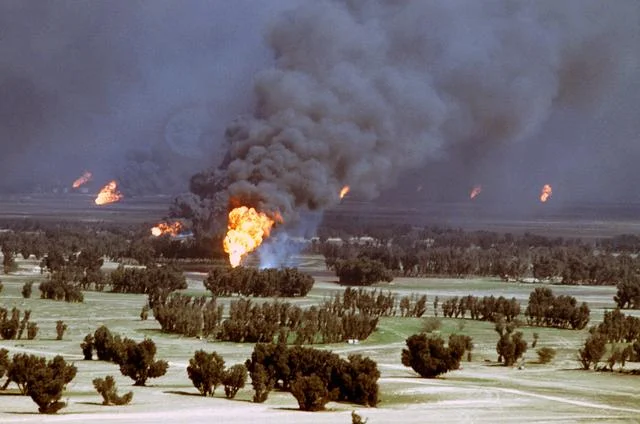
In a recent military escalation, Ukraine has reportedly destroyed an arms depot in Russia, a development that could have far-reaching implications beyond Eastern Europe. As the conflict intensifies, it raises questions on how such geopolitical events impact African nations, particularly in terms of development goals and economic stability.
Africa's Vulnerability to Global Conflicts
This latest incident highlights Africa's precarious position in a world increasingly defined by conflict and instability. Countries on the continent often find themselves vulnerable to the ripple effects of foreign conflicts, whether through economic disruptions or shifts in diplomatic relations. For instance, the ongoing crisis in Ukraine has already affected global grain supplies, which are vital for numerous African nations reliant on imports.
Impacts on Infrastructure and Economic Growth
The destruction of the arms depot is not just a military action; it signifies a potential escalation that could destabilise the region further. As resources are diverted to military efforts, we may see a slowdown in investment in critical infrastructure across Africa. The African Union has called for increased investment in infrastructure to support economic growth, yet conflicts like these can derail such ambitions.
Opportunities for Pan-African Cooperation
Despite these challenges, there lies an opportunity for African nations to enhance cooperation. In light of global instability, African countries can look to bolster intra-continental trade and economic partnerships. Initiatives such as the African Continental Free Trade Area (AfCFTA) aim to create a single market, which could help mitigate the effects of external shocks.
Health and Governance Challenges
The ongoing conflict in Ukraine also poses risks to health systems in African countries. With supply chains disrupted, access to medical supplies and vaccines could be hindered, exacerbating existing health challenges. Moreover, governance structures may come under strain as leaders focus on immediate security concerns rather than long-term development goals.
What Nigeria Can Learn from This Situation
Nigeria, as one of Africa's largest economies, may serve as a bellwether for the continent's response to such geopolitical events. The story developments explained reflect the need for Nigeria to diversify its economy and reduce reliance on imports, particularly in sectors like agriculture and energy. Not only does this enhance stability, but it also aligns with the broader goals of the African Union for self-sufficiency.
What Lies Ahead for Africa?
As the situation in Ukraine continues to unfold, African nations must remain vigilant and proactive. The story analysis Nigeria serves as a reminder that while conflicts elsewhere can have devastating effects, they also present opportunities for reform and resilience. The continent's ability to navigate these challenges will significantly impact its development trajectory in the coming years.