In a tense standoff, residents of Da Gama Park in Cape Town are grappling with increasing incursions of baboons from the nearby Table Mountain National Park. This ongoing conflict, which has seen baboons raiding homes and threatening children, underscores a complex interplay between urbanisation and wildlife management.
Baboon Encounters Escalate in Urban Areas
In recent weeks, Da Gama Park has reported multiple incidents of baboons entering residential areas, causing panic among families, especially those with young children. The South African National Parks (SANParks) has acknowledged the rising numbers of baboon encounters as a growing concern, attributing it to the expanding urban footprint of Cape Town. As the city continues to grow, the habitat for wildlife diminishes, forcing animals into closer proximity with human populations.
The Impact of Urbanisation on Wildlife
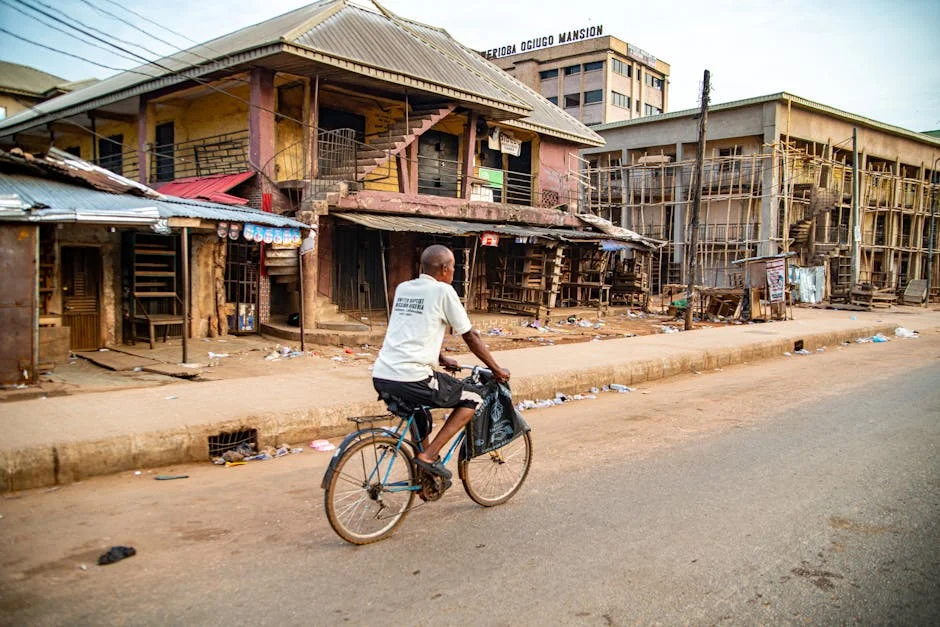
The situation in Cape Town is emblematic of a wider challenge faced across Africa—balancing development and conservation. Urbanisation, particularly in rapidly growing cities, poses threats to biodiversity as natural habitats are converted into residential and commercial areas. This not only affects wildlife but also jeopardises essential ecological services that these creatures provide, such as pest control and seed dispersal. The South African case illustrates why sustainable urban planning is crucial for both human and wildlife coexistence.
Children's Safety and Community Concerns
The immediate concern for residents is the safety of children in Da Gama Park. Parents have expressed fears that baboons, known for their agility and curiosity, may pose a direct threat. Recent encounters have led some families to keep their children indoors, highlighting the psychological impact of these wildlife incursions. This situation raises questions about how communities can effectively manage wildlife interactions while ensuring the safety and well-being of their inhabitants.
Governance and Policy Implications
In response to the baboon incursions, local authorities are being urged to implement more robust wildlife management policies. The challenge is further complicated by the politics surrounding conservation efforts in South Africa. As the government seeks to balance community needs with wildlife protection mandates, the standoff in Da Gama Park serves as a case study for other cities grappling with similar issues. Policies that promote coexistence, such as education campaigns and improved fencing, could offer pathways forward.
Opportunities for Sustainable Development
There exists an opportunity for Cape Town to lead the way in integrating wildlife conservation into urban development strategies. By investing in infrastructure that supports both human and animal populations, the city can promote a model of sustainability that resonates across the continent. This includes creating wildlife corridors and enhancing public awareness about the ecological roles of species like baboons. Such initiatives can contribute to the African Union's Agenda 2063, which emphasizes the importance of sustainable development and environmental stewardship.
As Cape Town navigates these challenges, the situation at Da Gama Park serves as a reminder of the interconnectedness of urban development, wildlife conservation, and community well-being. With strategic governance and community engagement, the city has the potential to foster a harmonious relationship between its residents and the wildlife that shares their environment.