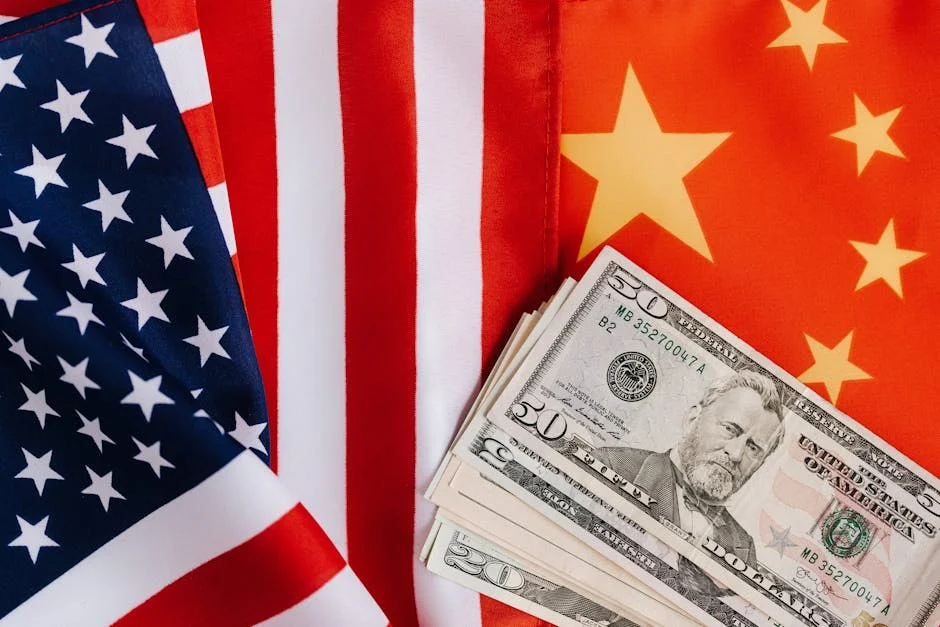
In response to the escalating tariffs imposed by the United States on South African goods, the country is actively seeking new markets, particularly in China, to sustain its economy. This shift, occurring in late 2023, underscores the challenges faced by South Africa and its implications for broader African development goals.
South Africa's Economic Dependence on US Trade
Historically, South Africa has relied heavily on trade with the United States, which has been a significant export destination for various commodities, including agricultural products and minerals. However, the recent introduction of tariffs has put immense pressure on South African exporters, leading to a 15% decline in trade volume over the past year. As a direct response, South African officials have announced plans to strengthen ties with alternative trading partners, particularly China, which is rapidly becoming a dominant player in global trade.
China's Growing Influence on African Markets
China's influence in Africa has surged in recent years, with the nation investing heavily in infrastructure, energy, and technology across the continent. For South Africa, deepening economic relations with China could provide a lifeline for its struggling economy while simultaneously aligning with the African Union's Agenda 2063, which aims for inclusive and sustainable development. Trade agreements with China could facilitate access to larger markets, potentially benefiting not only South Africa but also its neighbours, including Nigeria, which is keen on expanding its trade footprint with China.
Opportunities and Challenges for South Africa
While seeking new markets is imperative, South Africa's pivot towards China is not without its challenges. The South African economy has grappled with high unemployment rates and sluggish growth, affecting its ability to compete globally. Additionally, the reliance on China poses risks, as it could lead to over-dependence on a single trading partner, echoing concerns raised by other African nations about the implications of being too closely tied to Chinese investments.
Implications for Nigeria and Broader African Development
As South Africa navigates these changes, the ripple effects will likely be felt across the continent. Nigeria, as one of Africa's largest economies, may benefit from South Africa's shift in trade dynamics, offering new avenues for collaboration, especially in sectors like agriculture and technology. The interdependence of African nations can foster greater economic resilience and collective growth, aligning with continental goals of reducing dependency on Western markets.
Future Prospects: What to Watch For
The coming months will be critical in determining how effectively South Africa can establish new trade partnerships while mitigating the impacts of US tariffs. Observers should pay attention to the outcomes of upcoming trade talks between South Africa and China, as well as the potential for Nigeria to join these negotiations. The overall success of these efforts could significantly influence African economic policies and development strategies aimed at fostering sustainable growth across the continent.