Lead paragraph: Recent incursions of baboons into urban areas of Cape Town have sparked tensions between residents and wildlife, raising questions about governance and conservation efforts. This ongoing standoff illustrates the broader challenges facing African cities as they grapple with development and environmental sustainability.
Context and Background
South Africa's Cape Town has long been a city where the natural environment and urban development collide. Nestled between the ocean and mountains, the city is home to a rich biodiversity, including baboons that have increasingly ventured into human settlements in search of food. The human-wildlife conflict highlights a significant challenge in urban planning and environmental management, as cities across Africa strive to balance development with the preservation of natural habitats.
Key Developments
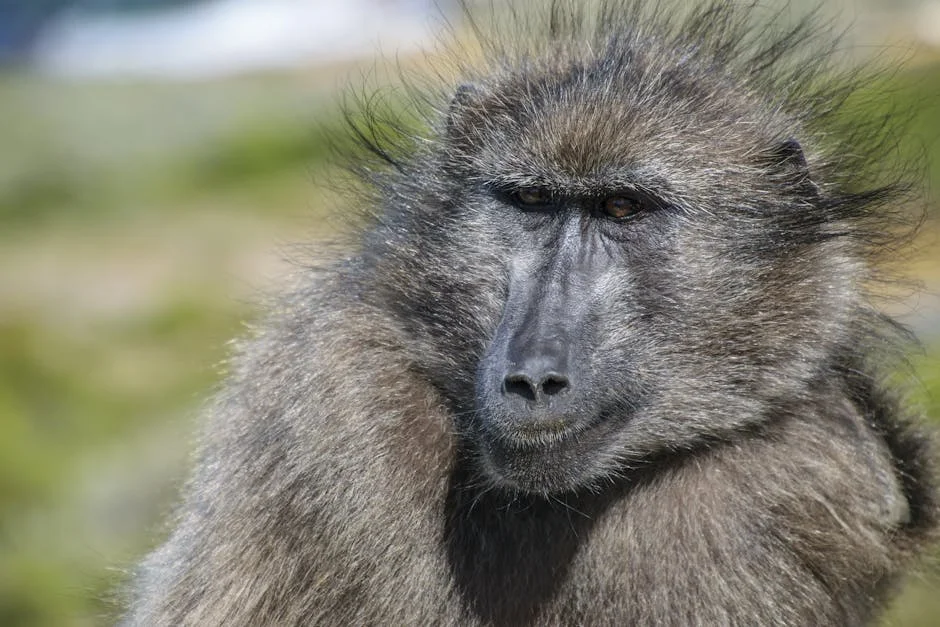
Recently, the presence of baboons in residential areas of Cape Town has intensified, leading to confrontations between residents and wildlife management authorities. As baboons search for food in trash bins and gardens, residents express frustration over the lack of effective strategies to manage these incursions. The local government has implemented measures to mitigate the situation, although tensions remain high.
Details and Evidence
Reports indicate that baboons have become increasingly bold, with some residents citing incidents of property damage and safety concerns. According to the Cape Town Environmental Management Department, there have been over 300 recorded incursions this year alone. The city's response has included public awareness campaigns, but many residents feel that these initiatives are insufficient to address the ongoing issues.
Analysis: African development and pan-African perspective
This situation in Cape Town serves as a microcosm of the broader challenges faced by urban centres across Africa. As cities expand and populations grow, the encroachment on wildlife habitats becomes inevitable. The dilemma not only affects governance and resource allocation but also highlights the intersection of health, education, and economic growth. For Nigeria and other African nations, learning from Cape Town's experience can inform strategies to foster sustainable urban development that respects both human and wildlife needs.
Impact and Implications
The implications of the baboon incursions extend beyond immediate safety concerns. They reflect the need for comprehensive urban planning that incorporates environmental sustainability. Effective governance will be crucial in addressing these challenges, as cities like Cape Town and potentially Nigeria must anticipate future human-wildlife interactions. The ongoing tensions could affect tourism, local economies, and community well-being if not managed properly.
Outlook
Looking ahead, experts suggest that proactive measures, including better waste management and enhanced public education, are essential to reduce human-wildlife conflicts. Analysts recommend that cities across Africa, including Nigeria, watch for innovative solutions emerging from Cape Town in response to these challenges. As conservation efforts evolve, the balance between urban development and ecological preservation will remain a critical focus for policymakers and communities alike.
For Nigeria and other African nations, learning from Cape Town's experience can inform strategies to foster sustainable urban development that respects both human and wildlife needs.Impact and ImplicationsThe implications of the baboon incursions extend beyond immediate safety concerns. The ongoing tensions could affect tourism, local economies, and community well-being if not managed properly.OutlookLooking ahead, experts suggest that proactive measures, including better waste management and enhanced public education, are essential to reduce human-wildlife conflicts.