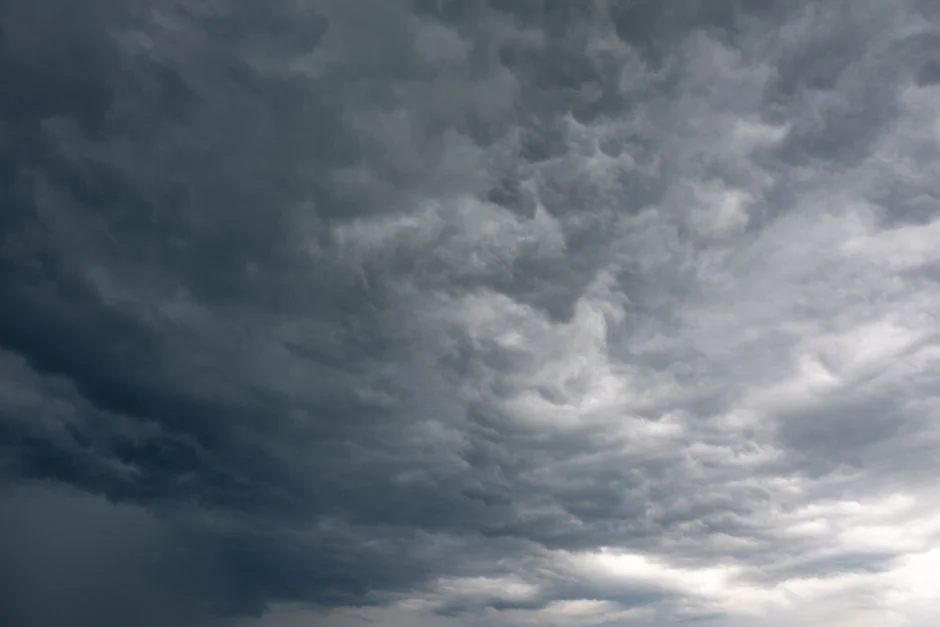
The United Nations climate agency has confirmed that the El Niño weather phenomenon is strengthening, setting the stage for extreme weather patterns that will persist well into 2027. In Kenya, meteorological experts are now forecasting above-normal rainfall between October and December, a period that historically drives agricultural output but also triggers severe flooding risks.
This development carries immediate stakes for East Africa’s infrastructure and food security. The convergence of a strengthening global climate driver with Kenya’s specific topographical vulnerabilities means that flood risks in low-lying areas and landslides in highland regions are likely to intensify. The timing aligns with the critical harvest season, placing both crop yields and road networks under direct threat from the coming months.
Kenya Weather Forecast and Immediate Risks

Kenya Meteorological Department officials have released detailed projections indicating that the upcoming rainy season will exceed historical averages. The forecast points to heavy downpours concentrated between October and December, a window that typically marks the onset of the long rains. These rains are essential for replenishing reservoirs and supporting the planting of maize and other staple crops, yet the intensity of the precipitation poses a dual threat of drought relief and sudden inundation.
The risk of infrastructure damage is particularly acute in counties that rely on marginal roads connecting rural farming communities to urban markets. When these roads wash out, the cost of transporting food spikes, directly impacting inflation. The government must prepare emergency response teams to clear blockages quickly, as delays in road access can halt the movement of goods and services for weeks. This is not merely a weather event but a logistical crisis waiting to unfold if drainage systems are not cleared beforehand.
Health officials are also bracing for a secondary wave of waterborne diseases. Stagnant water from heavy rains creates ideal breeding grounds for malaria and cholera. Hospitals in affected regions are being advised to stockpile medical supplies and increase vigilance in outpatient departments. The burden on the healthcare system could rise significantly if floodwaters contaminate water sources in densely populated informal settlements.
The agricultural sector stands at a crossroads. Smallholder farmers, who produce the majority of Kenya’s food, are hopeful for the extra moisture but fearful of crop destruction. The United Nations warning adds a layer of uncertainty to planning. Farmers who have already planted must now monitor soil saturation levels closely. Overwatering can rot root systems, while sudden heavy downpours can strip topsoil, reducing fertility for the next planting cycle. The government’s subsidy programs for seeds and fertilizers will be tested by whether they can reach farmers before the worst of the rains hit.
Urban centers like Nairobi and Mombasa face different challenges. Poor drainage in cities designed for lower rainfall volumes means that even moderate heavy rain can cause traffic paralysis. The city council must ensure that storm drains are free of debris and waste. Failure to do so will result in localized flooding that disrupts commerce and daily life. The cost of urban flooding in terms of lost productivity and vehicle damage is often underestimated in budget planning.
The UN Warning and Regional Implications
The United Nations climate agency has issued a stark warning that El Niño is expected to strengthen further. This is not a minor fluctuation but a robust climatic shift that will influence weather patterns globally. The agency’s forecast suggests that the phenomenon will remain a dominant factor in weather forecasting through 2027. This long-duration outlook means that Kenya and its neighbors cannot treat this as a one-off seasonal anomaly but must adjust their long-term planning.
For Kenya, the implications extend beyond immediate weather. A strengthened El Niño often correlates with drier conditions in some parts of East Africa during the short rains, but the current forecast for Kenya emphasizes above-normal rains. This contradiction highlights the complexity of regional climate dynamics. Neighboring countries like Uganda and Tanzania may experience different patterns, affecting cross-border trade and livestock migration. The divergence in weather patterns between neighboring states can create logistical bottlenecks if one region becomes a flood zone while another faces drought.
The economic stakes are high. Kenya’s economy is heavily reliant on agriculture and tourism. Floods can disrupt the tourism sector by damaging lodges and making safari routes impassable. A poor rainy season can also lead to a decline in tea and coffee production, key export earners. The shilling’s stability could be influenced by these agricultural outputs. If exports drop due to weather-related damage, the trade balance suffers, putting pressure on the national currency.
Infrastructure projects are also at risk. Major road and railway projects that have been delayed by past weather events may face further setbacks. The Ministry of Roads and Transport must assess the resilience of ongoing projects. Concrete pouring and foundation laying are highly sensitive to heavy rain. A delay in these critical phases can push completion dates back by months, increasing the cost of borrowing for these projects.
Regional institutions like the East African Community (EAC) will need to coordinate responses. If floods in Kenya disrupt the transport corridors connecting to Uganda, Rwanda, and South Sudan, the entire regional trade network feels the impact. The EAC secretariat should convene emergency meetings to harmonize border policies for emergency food aid and transport. A fragmented response could worsen the crisis for landlocked neighbors who depend on Kenyan ports.
The United Nations’ forecast also signals a need for long-term adaptation. Kenya’s infrastructure investments over the next decade must account for more intense rainfall events. Building higher bridges and better drainage is not just a local concern but a regional necessity. The cost of inaction is higher than the cost of adaptation. Investors in the region will be watching these weather patterns closely to assess risk premiums for infrastructure loans.
Looking Ahead: October to December and Beyond
As the calendar moves toward October, the focus shifts from forecasting to preparation. The window for clearing drains, reinforcing embankments, and stockpiling emergency supplies is narrowing. The government must act decisively in the coming weeks to prevent a disaster when the rains finally break. The difference between a manageable rainy season and a catastrophic one lies in the speed and scale of these preparatory measures.
The UN’s projection of a strengthened El Niño through 2027 means that this is just the beginning of a prolonged climatic shift. Kenya and its partners must develop a multi-year strategy that goes beyond annual emergency responses. Investing in climate-resilient agriculture, early warning systems, and robust infrastructure will be key to navigating the challenges ahead. The lessons learned from this season will inform the country’s approach to the next decade of climate variability.
Readers should watch the weekly updates from the Kenya Meteorological Department for any adjustments to the rainfall intensity. A slight increase in the forecasted volume could mean the difference between a wet season and a flood season. The government’s declaration of a state of disaster in certain counties will be a key indicator of the severity. This declaration unlocks additional funds and resources from the national treasury and international donors.
The international community will also be watching closely. Donor agencies and development banks often tie their aid packages to weather forecasts. A confirmed strengthening of El Niño could trigger early disbursements of climate finance to Kenya. This financial support is crucial for scaling up response efforts. The timing of these disbursements will be critical in ensuring that aid arrives before the worst of the rains.
Ultimately, the coming months will test Kenya’s capacity to manage climate risks. The country has made strides in early warning systems, but the execution of these warnings remains a challenge. Bridging the gap between knowing a flood is coming and protecting the people on the ground is the real test. Success in this season will build confidence for future climate challenges, while failure could set back development gains by years.
See Also
- Mosquito Kills More Africans Than Any Other Creature — Why the Death Toll Keeps Rising
- U.S. Closes Most Africa Visa Centres — Nairobi to Absorb Nigerian Applications
What is the latest news about kenya braces for deluge as un confirms el niño surge?
Why does this matter for environment-nature?
What are the key facts about kenya braces for deluge as un confirms el niño surge?