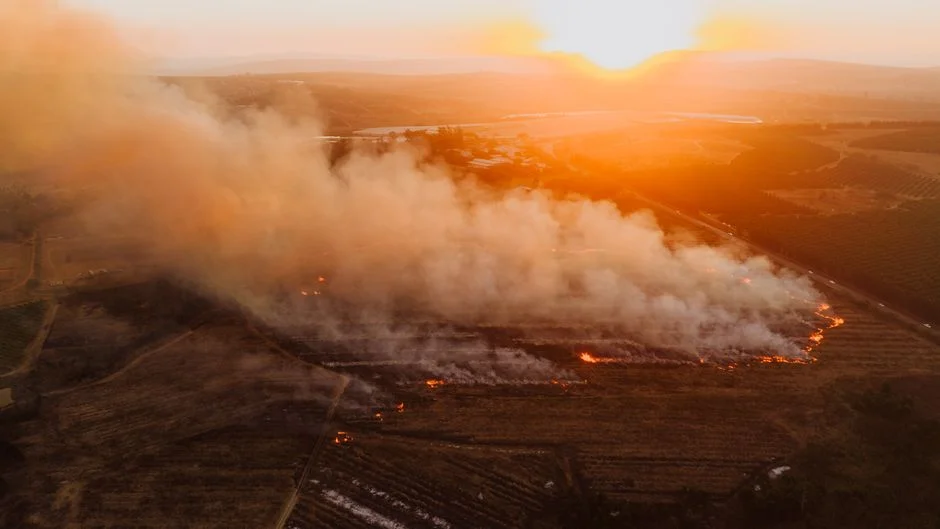
Algerian Prime Minister Sifi Ghrieb joined grieving relatives in the northeastern province of Jijel on Friday to mark the burial of victims from the devastating wildfires that swept through the region. The ceremonies in Djemaa Beni Habibi served as a focal point for national mourning, highlighting the immediate human toll of the disaster and testing the government’s capacity to manage recovery in a vulnerable zone. As families laid their loved ones to rest, the presence of the Prime Minister signaled a direct administrative response to a crisis that has exposed deeper structural weaknesses in Algeria’s disaster management and infrastructure sectors.
Immediate Response and Governance Shifts in Jijel
The funerals in Djemaa Beni Habibi brought together the local community and high-ranking government officials, creating a visible display of state authority in a region still reeling from the destruction. Prime Minister Sifi Ghrieb’s attendance was not merely ceremonial; it marked a shift in how the Algerian government approaches regional crises, moving from distant oversight to direct, on-the-ground accountability. The Prime Minister’s presence underscores the government’s intent to centralize the response narrative, ensuring that the national leadership is directly associated with the recovery efforts. This move is critical for maintaining public trust, especially as questions arise regarding the preparedness of local authorities in the face of increasingly erratic weather patterns.
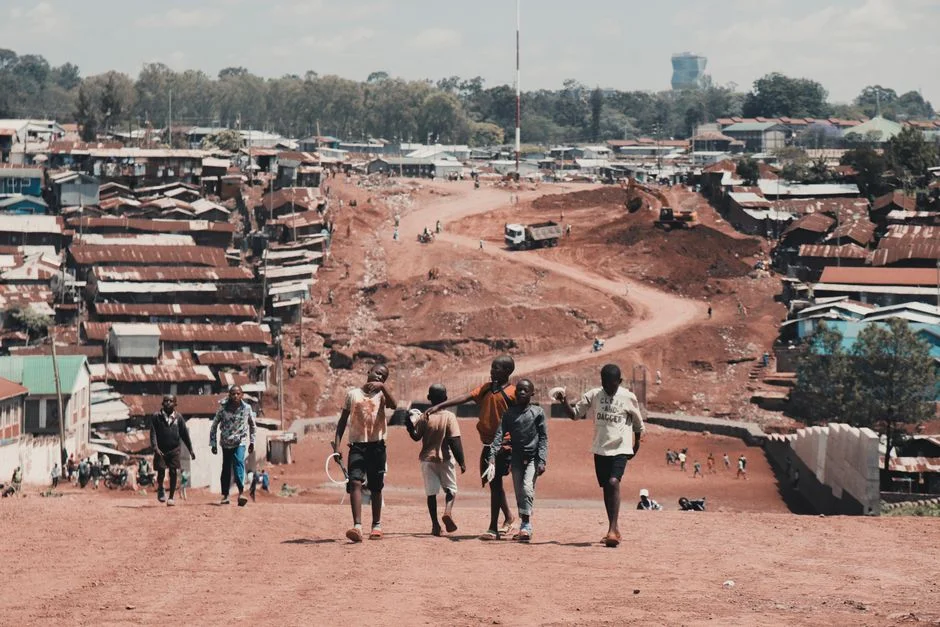
Djemaa Beni Habibi, a commune within the Jijel province, has long been susceptible to natural disasters due to its rugged terrain and dense vegetation. The area’s geographic isolation has historically complicated rescue operations and infrastructure repair, making it a recurring flashpoint for government criticism. The wildfires that necessitated these Friday funerals were not an isolated incident but part of a broader pattern of environmental vulnerability in North Africa. The specific location of the funerals in Djemaa Beni Habibi explains why the disaster had such a profound local impact, as the commune relies heavily on agriculture and tourism, sectors that are now severely disrupted by the loss of forest cover and damage to local ecosystems.
The involvement of Prime Minister Sifi Ghrieb in these proceedings highlights the centralization of power in Algeria’s political structure. As the head of government, Ghrieb is directly responsible for coordinating the various ministries involved in disaster relief, including interior, agriculture, and public works. His role in these funerals serves as a public assertion of his authority over the crisis management framework. This is particularly relevant for observers of Algerian politics, as it demonstrates how the Prime Minister is positioning himself as the chief executor of the president’s broader governance agenda. The visible engagement of the Prime Minister suggests that the government views this disaster as a test of its administrative competence.
The funeral proceedings themselves were marked by a somber tone, reflecting the collective trauma of the community. Relatives gathered to bury their dead, while officials offered condolences and promised swift action on reconstruction. The specific mention of Djemaa Beni Habibi in national media coverage has brought international attention to this previously obscure locality. This spotlight effect forces the government to deliver tangible results, not just promises, as the eyes of the nation are now fixed on the recovery pace in this specific commune. The failure to deliver visible progress in Djemaa Beni Habibi could easily translate into broader political dissatisfaction.
Furthermore, the logistical challenges of conducting these funerals in a disaster zone reveal the fragility of local infrastructure. Roads may have been damaged, communication lines disrupted, and emergency services stretched thin. The fact that Prime Minister Sifi Ghrieb could access Djemaa Beni Habibi and preside over these ceremonies indicates that some level of state control has been re-established in the area. However, it also raises questions about the speed and efficiency of the initial response. If the government could not prevent the spread of the fire or evacuate residents quickly enough, the presence of the Prime Minister serves as a consolation prize rather than a solution to the underlying infrastructural deficits.
Regional Implications and Economic Fallout
The wildfires in Jijel are not just a local tragedy; they reflect broader regional trends in climate vulnerability and resource management that have significant economic implications for Algeria and its neighbors. The loss of forest cover in Djemaa Beni Habibi impacts soil stability, increasing the risk of landslides during the upcoming rainy season. This creates a secondary disaster risk that the government must address to prevent further loss of life and property. The economic cost of these secondary effects could far exceed the immediate damage caused by the fire itself, affecting agricultural output and local tourism revenue.
For Algeria, a country heavily reliant on hydrocarbon exports, the domestic impact of climate-related disasters is often understated but economically significant. The disruption to local economies in Jijel contributes to a broader pattern of regional inequality, where peripheral provinces suffer from neglect and inadequate infrastructure. Prime Minister Sifi Ghrieb’s analysis of the situation must therefore consider not just the immediate relief efforts but the long-term investment required to make regions like Jijel resilient. This involves upgrading infrastructure, improving early warning systems, and diversifying local economies to reduce dependency on climate-sensitive sectors.
The role of Prime Minister Sifi Ghrieb in this context is crucial, as he is the primary architect of the government’s domestic policy response. His ability to coordinate between national ministries and local authorities will determine the success of the recovery. If the Prime Minister can leverage his position to secure federal funding for Jijel, it could set a precedent for how other vulnerable regions are treated. This would be a significant shift in Algeria’s governance model, moving towards a more equitable distribution of resources and attention. The failure to do so could exacerbate regional tensions and fuel political dissent in the periphery.
In addition to the domestic implications, the wildfires in Algeria have cross-border consequences, particularly for neighboring countries like Tunisia and Morocco, which face similar climatic challenges. The smoke and ash from the fires can affect air quality across the Mediterranean, influencing health outcomes and agricultural productivity in adjacent regions. This transboundary nature of the disaster requires a coordinated regional response, potentially through existing institutions like the Arab Maghreb Union or the African Union. The involvement of Prime Minister Sifi Ghrieb in these discussions could strengthen Algeria’s leadership role in regional climate diplomacy.
The economic impact of the wildfires also extends to the insurance and reinsurance sectors, which are increasingly interested in North African risk profiles. As climate change accelerates, the frequency and intensity of such events are expected to rise, driving up insurance premiums and affecting investment in the region. The government’s response to the Jijel fires will be closely watched by international investors and financial institutions, who are assessing Algeria’s stability and resilience. A well-managed recovery could attract investment, while a poorly managed one could deter it, highlighting the direct link between governance and economic performance.
Moreover, the social impact of the disaster cannot be ignored. The loss of life and property in Djemaa Beni Habibi has created a community of displaced persons who require long-term housing and support. The government’s ability to provide adequate relief will be a key test of its social contract. If the state fails to meet the needs of the victims, it risks losing legitimacy in the eyes of the local population. This could have wider political ramifications, especially if the grievance is shared by other marginalized communities across Algeria. The Prime Minister’s handling of this social dimension will be a critical factor in determining his political future.
Future Outlook and Strategic Developments
Looking ahead, the recovery of Jijel will depend on the sustained commitment of the Algerian government and the effectiveness of Prime Minister Sifi Ghrieb’s leadership. The immediate phase of relief is giving way to the long-term phase of reconstruction, which requires significant financial resources and political will. The government must now translate its promises into concrete actions, such as rebuilding homes, restoring infrastructure, and providing economic support to affected families. The success of these efforts will be measured not just in infrastructure rebuilt but in lives restored and communities revitalized.
The role of Prime Minister Sifi Ghrieb in this process will be decisive. His ability to navigate the bureaucratic complexities of the Algerian state will determine the speed and efficiency of the recovery. If he can streamline processes and ensure transparency in the use of funds, he will bolster his reputation as a competent administrator. Conversely, any signs of corruption or mismanagement could undermine public trust and fuel political opposition. The coming months will be a critical period for assessing his governance style and policy effectiveness.
Additionally, the international community may offer support through humanitarian aid and development grants. Algeria’s willingness to accept and effectively utilize this support will be another test of its governance capacity. The government must ensure that external aid complements, rather than duplicates, domestic efforts. This requires strong coordination and clear communication with international partners. The Prime Minister’s diplomatic skills will be crucial in securing this support and ensuring that it is used effectively.
The long-term implications of the Jijel wildfires extend to Algeria’s climate policy and infrastructure planning. The disaster has highlighted the need for a more proactive approach to climate adaptation, including investment in green infrastructure and sustainable land management. The government must integrate these lessons into its national development strategy, ensuring that future disasters are mitigated through better planning and investment. This shift from reactive to proactive governance is essential for Algeria’s long-term stability and prosperity.
Finally, the political implications of the disaster for Prime Minister Sifi Ghrieb are significant. His handling of the crisis will be a key factor in his political future, potentially influencing his standing within the ruling party and his prospects for higher office. If he is seen as a strong leader who delivered results, he could consolidate his power. If he is perceived as weak or ineffective, he could face challenges from within the government. The coming weeks and months will be critical in determining his political trajectory, as the eyes of the nation remain fixed on the recovery efforts in Jijel.
See Also
- South Africa Launches Travel Indaba 2026 — Tourism Revenues Surge
- Thomas Tuchel's England Held by Ghana in Goalless Stalemate
The economic impact of the wildfires also extends to the insurance and reinsurance sectors, which are increasingly interested in North African risk profiles. A well-managed recovery could attract investment, while a poorly managed one could deter it, highlighting the direct link between governance and economic performance.
What is the latest news about algeria pm ghrieb attends jijel wildfire funerals as recovery stalls?
Why does this matter for politics-governance?
What are the key facts about algeria pm ghrieb attends jijel wildfire funerals as recovery stalls?