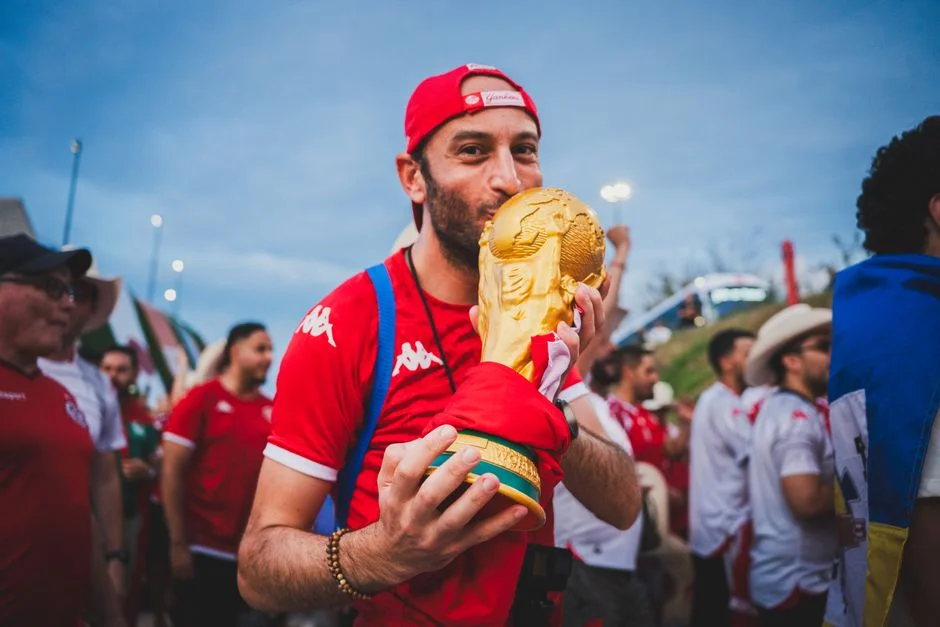
Egypt has qualified for the FIFA World Cup, marking the nation's first appearance at football's premier tournament since 1990. The Pharaohs secured their place among the world's elite teams, ending a 28-year wait that began when they last competed at the global showpiece in Italy.
Historic Qualification Secured
The Egyptian national team completed their qualifying campaign in convincing fashion, finishing atop their group to earn an automatic spot at the tournament. Their journey through the African qualification process saw them overcome regional rivals across multiple rounds of competition. The team accumulated enough points across ten matches to guarantee their place with a game to spare, demonstrating consistency that had eluded them in previous campaigns.
The final qualification match drew a packed crowd in Cairo, with fans flooding the streets surrounding the stadium in celebration. Supporters waved Egyptian flags and chanted throughout the evening as the squad secured the result that had haunted a generation of footballers. Egypt's last World Cup appearance came at the 1990 tournament held across Italian cities including Rome and Milan.
What This Means for African Football
Egypt's return to the World Cup restores one of Africa's most storied footballing nations to the global stage. The North African country has produced legendary players across the decades, from the great Hassan Heikal to contemporary stars who have dominated continental competitions. Yet despite their three Africa Cup of Nations titles, World Cup participation has remained frustratingly rare.
Their qualification also ensures the tournament will feature at least five African representatives, maintaining the continent's representation at football's biggest event. African teams have historically struggled at World Cups, with few nations ever advancing past the quarter-final stage. Egypt's return offers a fresh opportunity to improve that record.
Building Toward Russia
With qualification secured, Egyptian football authorities now face the task of preparing the squad for tournament competition. The team will need to select their final 23-player roster and arrange warm-up matches against quality opposition before departing for Russia. Coaches must balance experience with fitness, ensuring key players peak at the right moment after a grueling domestic season.
Egypt has been drawn into a challenging group that will test their credentials against established football powers. The squad's blend of experienced campaigners and hungry young talent will need to click quickly at the tournament level. Their first World Cup match will mark a moment many Egyptians have waited decades to witness.
Fans React Across Egypt
Celebrations erupted across Cairo and other Egyptian cities when the final whistle confirmed qualification. Supporters who were not yet born during the 1990 campaign joined older fans who remembered watching the team compete in Italy. Social media platforms filled with messages of pride and anticipation for the tournament ahead.
Egypt's football federation faces pressure to ensure the team arrives in Russia fully prepared. The nation expects competitive performances against whatever opponents the draw assigns them. After nearly three decades away, the Pharaohs have a chance to re-establish themselves among football's upper echelons.
Path to the Tournament
The qualification process required Egypt to navigate several difficult opponents across the African qualification region. Each round brought new challenges and demanded consistent performances over an extended campaign. The squad showed resilience in bouncing back from early setbacks to secure the results needed.
Tournament preparations will now intensify in the coming months. Coaching staff must balance player fitness, tactical preparation, and squad harmony before the opening match. Egypt last competed against the world's best national teams in 1990, making this return a significant moment for everyone associated with Egyptian football.
Looking Ahead to Tournament Draw
The official draw for the World Cup will determine Egypt's group stage opponents and schedule. FIFA's ranking at the time of the draw will influence which pot Egypt occupies, affecting their potential opponents. Coaches and analysts will study potential scenarios while focusing on preparing the squad for any challenge.
Tickets for matches involving Egypt are expected to attract significant interest from fans both in Egypt and abroad. Egyptian diaspora communities across Europe and North America will have opportunities to see their team compete live. The anticipation continues to build as the tournament approaches.
Egypt will depart for Russia approximately two weeks before their opening group match. The squad will train at a dedicated base before traveling to their assigned host city. Supporters unable to attend in person will follow matches through broadcast coverage across multiple platforms. The countdown to the Pharaohs' return has officially begun.
See Also
- UPL Executive Warns West Asia Conflict Threatens Agri Inputs in Nigeria
- India Seeks US Insurance for Oil Tankers Amid Middle East Tensions: What This Means for Nigeria
Coaches and analysts will study potential scenarios while focusing on preparing the squad for any challenge.Tickets for matches involving Egypt are expected to attract significant interest from fans both in Egypt and abroad. Egypt last competed against the world's best national teams in 1990, making this return a significant moment for everyone associated with Egyptian football.Looking Ahead to Tournament DrawThe official draw for the World Cup will determine Egypt's group stage opponents and schedule.