The Rapid Support Forces operating in Sudan have committed crimes against humanity in El Fasher, according to a detailed investigation published by Amnesty International. The human rights organisation documented a pattern of attacks targeting civilian populations in the capital of North Darfur state, describing the violations as part of a systematic assault on the city's residents since the conflict began in April 2023. The RSF, a paramilitary group that seized power alongside the Sudanese military in 2021 before the two forces turned on each other, has repeatedly denied similar allegations in other regions of Sudan. El Fasher remains one of the last major cities in Darfur still under government control, making the civilian population particularly vulnerable to retaliatory violence.
Documented Violations in North Darfur's Capital
Amnesty International researchers spent months collecting testimony from survivors, medical personnel, and local activists operating in and around El Fasher. The organisation's crisis response team verified multiple incidents that meet the legal threshold for crimes against humanity, including targeted killings, sexual violence used as a weapon of war, and deliberate starvation tactics against besieged communities. The findings build on earlier reporting from the conflict's early months, when the RSF and allied Arab militias were accused of widespread atrocities in gene and South Darfur. What distinguishes this latest report is its focus on El Fasher specifically, where the RSF has surrounded the city while attacking supply routes and humanitarian corridors. Medical facilities have been hit repeatedly, forcing surviving doctors to treat patients in underground shelters without anaesthetics or basic supplies.
Impact on Civilian Population
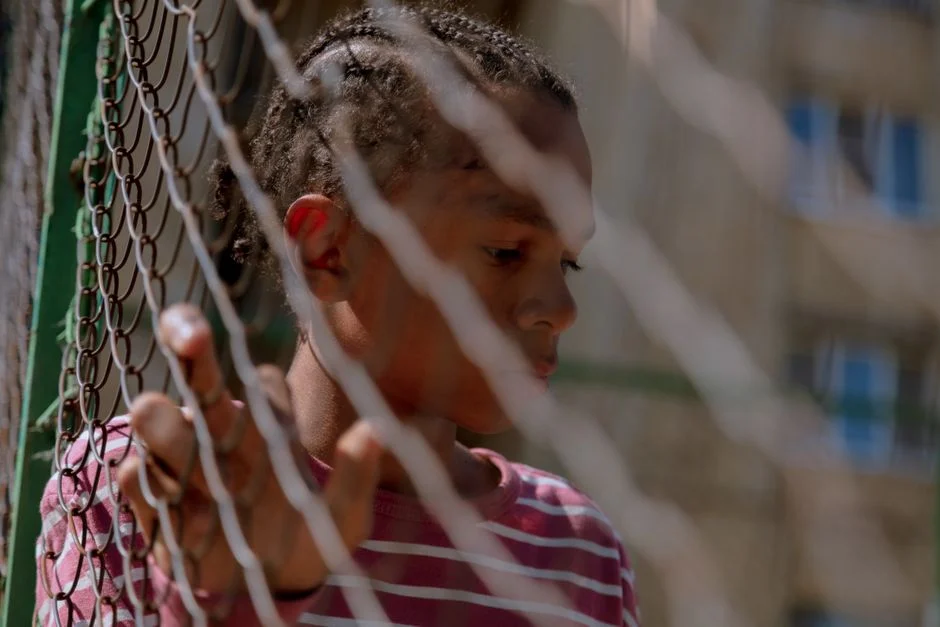
The siege has created a humanitarian catastrophe in a city that once served as a regional centre for trade and administration. Local aid workers estimate that more than 800,000 people remain trapped inside El Fasher, unable to flee because the RSF controls the roads leading out of the city in every direction except one contested corridor toward the south. Water treatment plants stopped functioning months ago, and residents now rely on wells that aid organisations say are contaminated. The United Nations has repeatedly called for the RSF to allow humanitarian convoys through, but the organisation reports that every attempt to deliver supplies has been blocked or attacked. Children represent the most vulnerable segment of the trapped population, with malnutrition rates climbing sharply since the siege tightened in early 2024.
RSF Campaign Across Darfur Region
The El Fasher report forms part of a broader pattern of alleged RSF atrocities documented across Sudan's western regions since the current conflict erupted. The RSF, which evolved from the Janjaweed militia that earned international infamy during the Darfur genocide of the early 2000s, has been accused of conducting scorched-earth campaigns against non-Arab farming communities in South, Central, and West Darfur states. Satellite imagery analysed by Amnesty researchers shows entire villages destroyed, with burn patterns consistent with deliberate destruction rather than combat damage. The Sudanese government, which nominally controls the RSF, has been unable or unwilling to restrain the force, and in some cases has appeared to coordinate operations with RSF units. This blurring of lines between the official military and the paramilitary has complicated international efforts to pressure a single actor to change its behaviour.
International Response and Legal Obligations
The United States and several European governments have imposed sanctions on individual RSF commanders and associated businesses, but advocates say these measures have failed to alter the group's behaviour or reduce violence against civilians. The International Criminal Court has jurisdiction over alleged war crimes and crimes against humanity in Darfur because of an earlier referral by the UN Security Council, and ICC prosecutors have indicated they are monitoring the current conflict. However, the court lacks its own enforcement mechanisms and relies on member states to arrest and transfer suspects, a process that has proved difficult even for suspects already named in ICC warrants. Sudan is not a party to the Rome Statute that established the ICC, which further complicates any prosecution pathway for events occurring on Sudanese territory.
Humanitarian Crisis Deepens as Aid Blocked
El Fasher sits at a critical juncture in Sudan's broader civil war, which has displaced more than 8 million people and created the world's largest hunger crisis according to UN estimates. The city's fall, should it occur, would give the RSF control over all five state capitals in Darfur, fundamentally altering the territorial balance of the conflict. Fighting in and around the city has intensified since mid-2024, with the RSF launching repeated assaults on military positions while civilian casualties mount. Local human rights defenders who spoke to Amnesty described a population caught between two armed forces that both view them as potential enemies, leaving many families with no viable option for escape or protection.
What Comes Next for Accountability
Amnesty International is calling on the United Nations Human Rights Council to establish an independent investigative mechanism for Sudan, similar to bodies created for Syria and Myanmar. Such a body could document violations with greater speed and credibility, preserving evidence for future prosecution attempts. The African Union has so far been reluctant to take strong action against Sudan, reflecting divisions among member states about intervention in sovereign affairs. Civil society organisations working inside Sudan say survivors in El Fasher are keeping personal records of attacks and deaths, hoping that international justice mechanisms will eventually provide a pathway for accountability. The window for preventive action is narrowing, according to humanitarian officials, as the city's infrastructure collapses and its population faces increasing scarcity of food, water, and medical care.
The coming weeks will test whether diplomatic pressure can open even a limited humanitarian corridor to allow aid deliveries. The Sudanese Armed Forces have announced attempts to break the RSF siege from the south, but military analysts are skeptical about whether those forces have the strength to reach the city. International observers say the world is watching to see whether the documented pattern of crimes against humanity in El Fasher will finally trigger stronger action from governments that have so far preferred statements over consequences for perpetrators.
See Also
- Tantita's Surveillance Crackdown Shrank Niger Delta Oil Theft — Revenue Is Recovering
- Congo Reports 15 Ebola Cases — What This Means for Regional Health Security
The International Criminal Court has jurisdiction over alleged war crimes and crimes against humanity in Darfur because of an earlier referral by the UN Security Council, and ICC prosecutors have indicated they are monitoring the current conflict. Humanitarian Crisis Deepens as Aid Blocked El Fasher sits at a critical juncture in Sudan's broader civil war, which has displaced more than 8 million people and created the world's largest hunger crisis according to UN estimates.
What is the latest news about amnesty documents rsf crimes against humanity in sudans el fasher?
Why does this matter for health-medicine?
What are the key facts about amnesty documents rsf crimes against humanity in sudans el fasher?