South African weather authorities have warned that heavy rain will continue to affect two provinces on Tuesday, with authorities urging residents in low-lying areas to remain vigilant. The advisory, issued during the first week of June, covers provinces that have already experienced above-average rainfall in recent days. Meteorologists expect the wet weather to persist through much of the day, potentially disrupting transport and agricultural activities in rural communities.
Provinces Bracing for Continued Downpours
The South African Weather Service confirmed that two specific provinces face the most significant impact from the prolonged rainfall. Gauteng and parts of Limpopo have borne the brunt of the wet weather pattern that arrived over the weekend. Local emergency management teams in affected municipalities have been placed on standby, with drainage systems monitored around the clock in urban centres including Johannesburg and Pretoria.
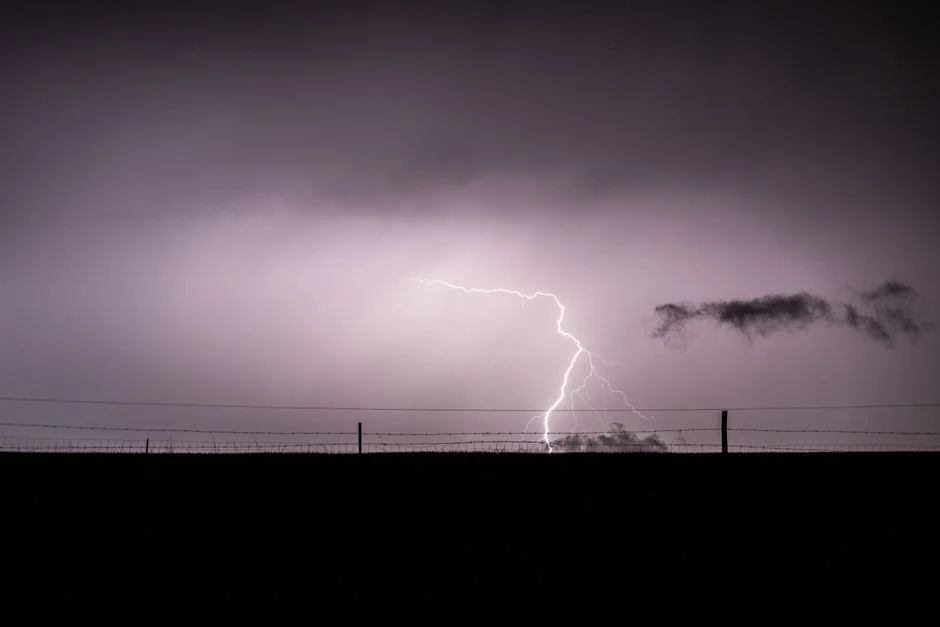
Authorities in both provinces reported a spike in weather-related emergency calls during Monday evening as overnight storms brought further disruption. The weather service urged residents to avoid crossing flooded roads, a warning that carries particular weight in informal settlements where drainage infrastructure remains inadequate.
Rainfall Patterns and Meteorological Context
meteorologist at the South African Weather Service explained that the persistent rain stems from a slow-moving cold front that became stationary over the interior of the country. The system has drawn moisture from both the Indian and Atlantic Oceans, creating conditions conducive to sustained precipitation across the affected region.
Forecast models indicate rainfall accumulations could reach between 20 and 40 millimetres in elevated areas, with lower totals expected in valley regions. The wet weather is expected to ease by Wednesday morning as the frontal system begins moving eastward toward the coast. Until then, conditions will remain favourable for continued showers and isolated thunderstorms, particularly during the afternoon hours.
Impact on Infrastructure and Daily Life
The Gauteng province, home to Johannesburg and Pretoria, has already seen localised flooding in several suburbs following two days of consistent rain. The City of Johannesburg's emergency services responded to seventeen flood-related incidents between Sunday and Monday evening, rescuing residents from stranded vehicles and pumping water from underpasses. Schools in some low-lying areas have adjusted morning drop-off procedures to account for waterlogged access roads.
In Limpopo, agricultural communities are watching their fields with concern. The provincial department of agriculture reported that excessive moisture poses risks to certain crop varieties currently in harvest season. Subsistence farmers in rural districts near Tzaneen and Musina have expressed worries about stored produce, with some reporting water seepage into storage facilities built without weatherproofing.
Economic Consequences for the Region
The insurance sector is monitoring the situation closely, with industry sources suggesting that the wet start to June could drive an increase in weather-related claims. Flood damage to vehicles, property, and business inventory typically follows prolonged rainfall events in South Africa's major urban centres. Industry associations have advised policyholders to document any damage promptly and contact brokers before undertaking repairs.
Construction projects across both provinces have slowed considerably. Site managers at several major infrastructure developments in the Johannesburg metropolitan area confirmed work stoppages during the heaviest rainfall on Monday. The delays add pressure to timelines already constrained by rising material costs and labour disputes that have plagued the sector this year.
Government Response and Safety Advisories
The National Disaster Management Centre activated its monitoring protocols on Monday, coordinating with provincial emergency services to ensure resources are positioned for rapid deployment. The centre's spokesperson confirmed that militarymedivac helicopters remain on standby for potential rescue operations in remote areas that may become inaccessible by road.
Public advisories have focused on three core messages: avoid unnecessary travel during peak afternoon storms, secure loose outdoor items that could become projectiles in strong winds, and monitor official communication channels for evacuation orders. Municipal authorities in both provinces have opened emergency shelters in community halls, though uptake remained minimal as of Monday evening.
What to Watch as the Week Progresses
Meteorologists will be tracking the cold front's movement carefully over the next 48 hours to determine whether the system accelerates as expected. Should the front stall longer than projected, additional rainfall warnings may be issued for provinces currently outside the affected zone. The South African Weather Service is scheduled to release its next detailed forecast on Tuesday afternoon.
Residents in both provinces should check municipal websites for real-time updates on road closures and service disruptions. Emergency contact numbers for provincial disaster management centres remain active throughout the night for residents requiring urgent assistance during overnight storms.
See Also
- Generali Global Corporate Launches AI Tool to Boost Nigerian Operations
- Honor Unveils Revolutionary Smartphone at MWC Barcelona — What It Means for Africa