Severe storms have swept across Portugal, bringing intense rainfall and powerful winds that have disrupted daily life in the capital, Lisbon. The National Institute for Meteorology has issued high-alert warnings for Tuesday, highlighting the vulnerability of coastal and highland regions to extreme weather events. This crisis in Southern Europe serves as a stark reminder for African nations facing similar climatic pressures, underscoring the urgent need for robust infrastructure and adaptive governance.
Portugal Faces Severe Weather Disruption
The Portuguese meteorological agency has confirmed that strong winds are currently battering the highlands and the coastal zones. These conditions are expected to persist through Tuesday, creating hazardous travel and living conditions for residents. The term "Aguaceiros" refers to the heavy showers that are accompanying the gusts, leading to localized flooding and power outages in key urban centers.
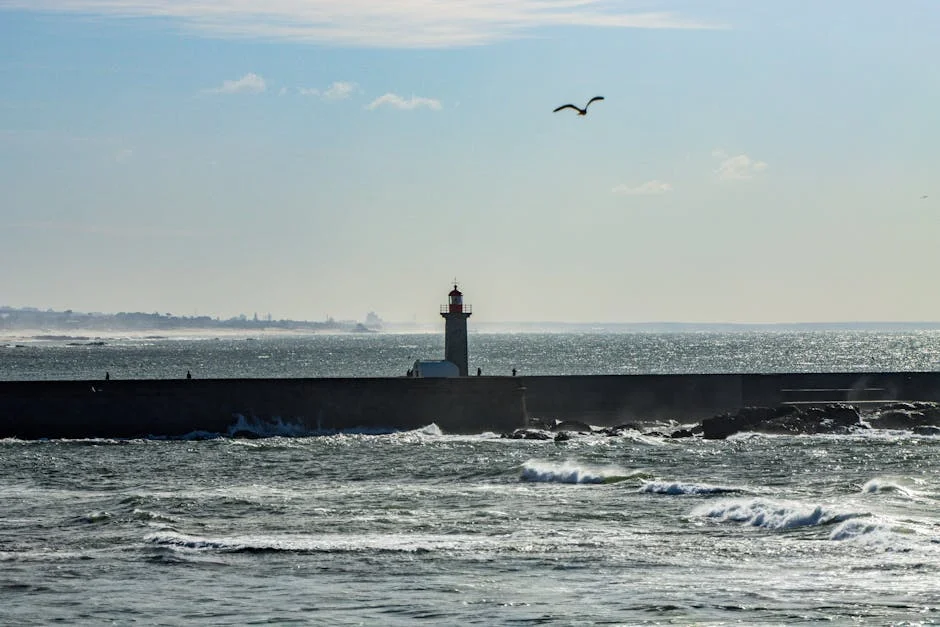
Officials in Lisbon have urged citizens to remain vigilant as the weather systems move across the Iberian Peninsula. The impact is not limited to inconvenience; it poses a tangible threat to the built environment and public health. Roads in the highlands have seen reduced visibility, while coastal areas face the risk of surging tides and erosion. This immediate disruption highlights how quickly weather patterns can shift from normal to critical.
The situation in Portugal is not an isolated incident but part of a broader trend of increasing meteorological volatility. Climate models suggest that such events will become more frequent in the coming decades. For a country with a relatively developed infrastructure network, the challenges are significant. This reality demands a closer look at how other regions, particularly in Africa, are preparing for similar shocks.
Climate Volatility and African Development Goals
The weather crisis in Portugal offers a critical case study for African development strategies. Many African nations are striving to achieve the Sustainable Development Goals, which include targets for climate action and sustainable cities. The disruptions in Lisbon demonstrate that even well-resourced regions are susceptible to climate shocks. This reality emphasizes the importance of integrating climate resilience into national development plans across the continent.
African leaders must recognize that climate change is no longer a distant threat but a present challenge. Countries like Nigeria, Kenya, and South Africa are already experiencing the effects of erratic rainfall and rising temperatures. The events in Portugal serve as a warning that without adequate preparation, economic progress can be quickly undone by natural forces. Development goals must therefore include robust mechanisms for climate adaptation and mitigation.
Infrastructure Resilience as a Priority
Infrastructure development is a cornerstone of economic growth in Africa, but it must be designed with climate resilience in mind. The storms in Portugal have exposed weaknesses in drainage systems, power grids, and transportation networks. African nations investing in new infrastructure should learn from these experiences to ensure that new projects can withstand extreme weather events. This approach will reduce long-term costs and enhance the durability of public assets.
Investing in resilient infrastructure is not just about construction; it is about strategic planning. Cities like Lagos and Nairobi are expanding rapidly, often outpacing the capacity of their infrastructure. By adopting climate-smart design principles, these cities can reduce the vulnerability of their populations. This includes building better flood defenses, upgrading power lines, and creating green spaces that absorb excess rainfall. Such measures are essential for sustaining economic growth in the face of climate uncertainty.
Governance and Emergency Response Systems
Effective governance is crucial in managing the impacts of extreme weather events. The response of Portuguese authorities provides insights into the importance of clear communication and coordinated action. In Africa, where emergency response systems can vary in capacity, learning from international examples can enhance preparedness. Governments must ensure that early warning systems are in place and that communities are informed about potential risks.
The National Institute for Meteorology in Portugal plays a key role in monitoring weather patterns and issuing alerts. Similar institutions in Africa need to be strengthened to provide accurate and timely information. This includes investing in technology, training personnel, and establishing clear protocols for action. Effective governance also involves engaging local communities in planning and response efforts, ensuring that those most affected have a voice in decision-making.
Transparency and accountability are also vital in building public trust during crises. When governments communicate clearly and act decisively, citizens are more likely to comply with recommendations and support recovery efforts. This is particularly important in African contexts where trust in institutions can be a factor in social stability. By improving governance structures, African nations can better manage the challenges posed by climate change and other external shocks.
Economic Impacts and Regional Comparisons
The economic consequences of weather disruptions can be significant, affecting sectors such as agriculture, tourism, and manufacturing. In Portugal, the storms have already begun to impact these industries, with potential for further losses as the event unfolds. For African economies, which are often more dependent on climate-sensitive sectors, the stakes are even higher. Understanding these economic linkages is essential for developing effective adaptation strategies.
Agriculture is a primary concern for many African nations, where rainfall patterns directly influence crop yields. The variability in weather seen in Portugal mirrors the challenges faced by farmers in regions like the Sahel and East Africa. Droughts and floods can devastate harvests, leading to food insecurity and economic instability. Supporting agricultural resilience through irrigation, crop diversification, and insurance schemes is therefore a priority for development planners.
Tourism is another sector that can be heavily impacted by extreme weather. Coastal destinations in Africa, such as Zanzibar and the Gold Coast, attract millions of visitors annually. However, storms and rising sea levels pose threats to these popular spots. Ensuring that tourism infrastructure is resilient to climate shocks will help protect this vital source of foreign exchange and employment. This requires collaboration between governments, private investors, and local communities to create sustainable tourism models.
Health and Social Implications
Extreme weather events have direct and indirect effects on public health. In Portugal, the storms have led to an increase in respiratory issues due to dust and mold, as well as injuries from falling debris. In Africa, where healthcare systems can be stretched thin, the health impacts of climate change are a growing concern. Heatwaves, floods, and changing disease vectors all pose risks to population health, requiring proactive measures to protect vulnerable groups.
Urban areas are particularly at risk, as they often combine high population density with infrastructure that may not be fully adapted to climate stressors. Cities like Accra and Addis Ababa are seeing increased urbanization, which can exacerbate the effects of heat and flooding. Improving urban planning to include green infrastructure, better housing standards, and accessible healthcare services is essential for protecting public health. These measures can reduce the burden on hospitals and improve quality of life for residents.
Social cohesion can also be tested during and after extreme weather events. Displacement, loss of property, and economic hardship can lead to social tensions if not managed well. Community-based approaches to recovery and support can help maintain social stability and foster resilience. By investing in social infrastructure and community engagement, African nations can build stronger societies that are better equipped to handle the challenges of a changing climate.
Future Outlook and Strategic Actions
The weather crisis in Portugal highlights the need for African nations to take decisive action on climate adaptation. This includes investing in resilient infrastructure, strengthening governance and emergency response systems, and addressing the economic and health impacts of climate change. By learning from international experiences and tailoring strategies to local contexts, African countries can build a more sustainable and resilient future.
Collaboration between African nations and international partners can also accelerate progress. Sharing knowledge, technology, and resources can help bridge gaps in capacity and funding. Regional organizations like the African Union and the Economic Community of West African States can play a key role in coordinating efforts and setting common standards. This collective approach will enhance the continent's ability to respond to climate challenges and seize opportunities for development.
Looking ahead, the next critical step for African governments is to integrate climate risk assessments into all major development projects. This ensures that new investments are durable and effective in the face of changing weather patterns. Readers should watch for upcoming policy announcements from the African Union regarding climate financing and infrastructure standards, which will shape the continent's adaptive capacity in the coming years.
See Also
- BCP Seeks Enhanced Credit Guarantees for Youth Home Loans in Nigeria
- South Africa Seizes R1.6m Abalone Haul in Western Cape
What is the latest news about portugal weather crisis warns africa on climate infrastructure gaps?
Why does this matter for technology-innovation?
What are the key facts about portugal weather crisis warns africa on climate infrastructure gaps?