APMT Apapa has been singled out as the backbone of Nigeria's export trade, according to remarks delivered at a specialised workshop hosted by Lagos Business School. The Export Management Workshop brought together trade professionals and academics to examine the structural dependencies shaping Nigeria's international commerce landscape.
Apapa's Central Role in Nigeria's Trade Architecture
Nigeria's port infrastructure has long been concentrated in the Lagos corridor, with Apapa serving as the primary maritime gateway handling the bulk of the country's containerised cargo. The facility processes exports ranging from agricultural commodities to manufactured goods destined for international markets. Trade analysts have repeatedly pointed to the congestion and operational constraints at Apapa as a bottleneck for export efficiency.
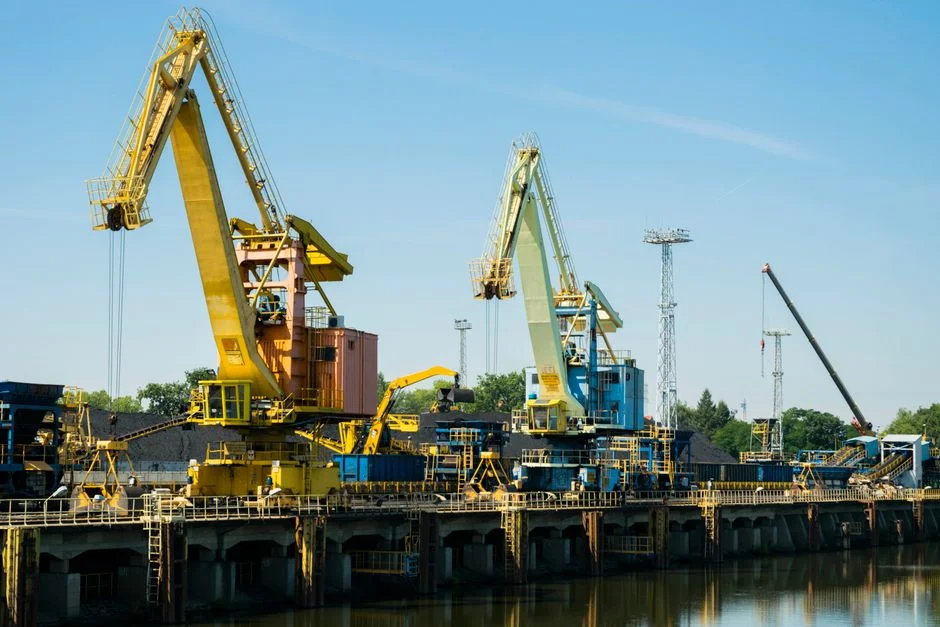
Kapito, speaking at the Lagos Business School event, emphasised that APMT Apapa functions as the main conduit through which Nigerian exporters access global supply chains. The workshop aimed to unpack the implications of this concentrated dependency for national trade strategy and economic diversification efforts. Participants examined how over-reliance on a single port creates vulnerabilities in the export chain.
Lagos Business School Hosts Export Strategy Discussion
The Export Management Workshop, organised by Lagos Business School, gathered practitioners from across the logistics and trade sectors. Faculty members led sessions examining the technical and policy dimensions of export management. The school has increasingly positioned itself as a forum for examining Nigeria's economic competitiveness in West Africa.
Discussions at the workshop touched on port efficiency, customs procedures, and the documentation requirements that exporters face when moving cargo through Apapa. Several participants highlighted that delays at the port directly affect the competitiveness of Nigerian goods in destination markets. The school announced plans to expand its curriculum addressing supply chain challenges facing local businesses.
What Dependency on Apapa Means for Nigerian Exporters
Exporters operating through Apapa contend with recurring challenges including congestion during peak seasons and variable dwell times for containers awaiting clearance. The port's location in Lagos places it at the centre of Nigeria's manufacturing and commercial activity, but also subjects it to the city's broader infrastructure pressures.
Industry representatives attending the workshop noted that the concentration of export traffic through a single facility creates systemic risk. Alternative routes through ports like Port Harcourt and Calabar handle a fraction of Nigeria's containerised exports. The Lagos Business School forum provided a platform for examining whether this concentration serves or hinders Nigeria's trade ambitions.
Voices from the Workshop Floor
Participants at the Export Management Workshop raised concerns about the operational realities facing small and medium enterprises attempting to move goods through Apapa. Several attendees described the port clearance process as unpredictable, with documentation requirements creating delays that add costs to export transactions. The workshop format allowed exporters to articulate directly the friction points they encounter in accessing international markets.
Trade facilitation experts contributing to the discussions outlined potential reforms that could ease pressure on Apapa while maintaining its central role. Proposals included improved customs technology, extended operating hours, and better coordination between regulatory agencies at the port. The Lagos Business School faculty noted that solutions would require sustained engagement between government agencies and private sector operators.
Export Trade Dynamics and Nigeria's Diversification Goals
The federal government has repeatedly identified non-oil exports as a priority for reducing Nigeria's dependence on crude petroleum revenues. APMT Apapa handles both oil and non-oil cargo, but the workshop discussions focused specifically on the non-oil segment where Nigeria faces persistent challenges in building competitive export volumes. Agricultural exports, which should represent a comparative advantage given Nigeria's arable land and favourable climate, have struggled to reach their potential partly due to logistics constraints.
The Central Bank of Nigeria has implemented policies aimed at encouraging exporters to repatriate foreign exchange earnings, with compliance monitored through customs documentation at ports including Apapa. The effectiveness of these policies depends on the accuracy and timeliness of trade data flowing from port operations.
Looking Ahead: Reforms and Investment Plans
Stakeholders at the Lagos Business School workshop expressed cautious optimism that ongoing infrastructure investments could gradually ease the pressure on Apapa. The government has indicated plans for upgrades at Lagos ports, though timelines for completion remain subject to funding and execution challenges. Port operators have also announced investments in equipment and systems designed to increase throughput capacity.
The Export Management Workshop concluded with a commitment from Lagos Business School to continue hosting forums where industry participants can engage directly with policy questions affecting trade competitiveness. The school plans to publish a summary of the discussions for circulation among its alumni network and partner organisations. Readers should watch for further announcements from the Port Authority regarding infrastructure investment timelines in the coming months.
See Also
- Governo Slams Stop for Lack of Good Faith: What This Means for Nigeria's Development
- Thousands Gather for Iftar at Amani Stadium in Zanzibar: What This Means for Community Unity