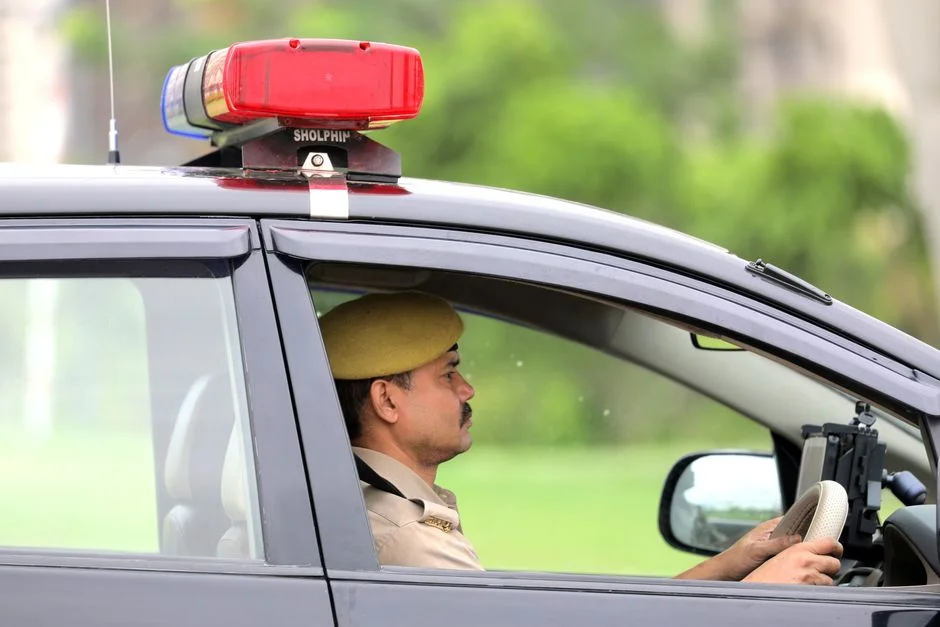
The Nigeria Security and Civil Defence Corps conducted intensive pistol safety training for 106 officers stationed across the Federal Capital Territory, with senior officials declaring that there is no acceptable margin for trigger-related errors in the field. The training programme took place at the Corps' FCT Command headquarters and focused on proper handling procedures, storage protocols, and the consequences of negligence. Officials said the drill reflects growing concerns about incidents involving firearms mishandling across security agencies nationwide.
Training Programme Scope and Structure
The NSCDC brought in firearms instructors to work directly with officers over a multi-day period at the FCT Command facility. Each of the 106 participants received both theoretical instruction and practical range sessions covering the full cycle of pistol operation. The curriculum addressed loading, unloading, target acquisition, and the specific scenarios where accidental discharges most commonly occur. Officials noted that the programme was designed to eliminate habits that develop from routine rather than replace them with disciplined practice.

Senior instructors at the venue emphasised that the training went beyond basic competency checks. Officers were required to demonstrate consistent accuracy under time pressure before being cleared to return to regular duty. The NSCDC Command structure in the FCT supervised the evaluation process to ensure that standards were applied uniformly across all participants regardless of rank or prior experience.
Official Position on Trigger Discipline
Statements from NSCDC leadership left no ambiguity about expectations following the training. The Corps maintains that trigger errors represent a failure of discipline rather than a skills gap, and that officers found responsible for such incidents will face administrative and disciplinary measures. The message was delivered directly to the 106 officers assembled at the FCT Command grounds during the closing phase of the programme.
The NSCDC Commandant for the FCT region was present during the final review session and reiterated that the Corps does not tolerate negligence involving firearms. The official pointed to documented cases where improper pistol handling by security personnel resulted in civilian casualties and reputational damage to the agency. Officials said the training was a preventive measure rather than a response to a specific incident.
Safety Standards Across Security Agencies
The FCT Command's decision to conduct mass pistol safety training comes amid broader scrutiny of firearms handling practices within Nigeria's security sector. Several agencies have introduced similar programmes in recent years following accidental discharge incidents that drew public attention and parliamentary questions. The NSCDC has historically been tasked with civil defence roles that occasionally require officers to carry sidearms, making consistent training essential.
The NSCDC operates alongside the Nigeria Police Force, the Armed Forces, and other paramilitary organisations in maintaining internal security. Each agency maintains its own firearms training standards, though the National Assembly has periodically called for harmonised protocols to reduce inconsistencies. The FCT Command's initiative was described internally as part of a wider push to elevate professional standards within the Corps.
Officer Readiness and Accountability Measures
Participants in the FCT drill were assessed on their response times, accuracy scores, and adherence to safety protocols during live firing exercises. Records from the NSCDC training division indicate that officers who scored below the minimum threshold were required to repeat specific modules before certification. The Corps has adopted a zero-tolerance approach to officers who return to duty without meeting the required competency level.
The NSCDC established a database to track firearms certifications for all personnel assigned to posts requiring sidearm carry. Going forward, officers in the FCT will undergo refresher courses at regular intervals rather than only when incidents occur. Officials said this proactive approach is intended to build a culture where trigger discipline becomes automatic rather than a conscious effort.
Community Expectations and Public Trust
Residents in the FCT and surrounding areas interact regularly with NSCDC officers deployed for civil defence duties, including checkpoint operations and event security. Accidental discharges involving security personnel have previously caused alarm among civilians, prompting calls for better training and oversight. The NSCDC Command in the FCT acknowledged that public confidence depends on visible improvements in how officers handle their weapons.
The Corps has faced criticism in the past for incidents where its personnel were implicated in civilian harm involving firearms. Senior officials at the FCT Command said the current training initiative is part of a sustained effort to change that record. The NSCDC plans to share data on certification rates and incident reductions with community stakeholders as evidence of progress.
What Comes Next for FCT Command
The NSCDC FCT Command has scheduled follow-up assessments to verify that officers maintain the standards demonstrated during the recent drill. Training officers will conduct unannounced spot checks at various posts across the territory over the coming months. Any officer found to have reverted to unsafe handling practices will be pulled from active duty for remedial instruction.
Further training cycles are planned to cover the remaining NSCDC personnel in the FCT who did not participate in the initial cohort of 106 officers. The Command expects to have all firearms-certified staff retrained under the updated protocol within the next reporting period. Officials said the results of the expanded programme will inform whether the training model should be replicated in other NSCDC commands across Nigeria.
See Also
- Kremlin and White House Discuss Meeting: Implications for Africa
- Judge Stays Pentagon Labeling of Anthropic as Supply Chain Risk — What It Means for Tech in Africa
Records from the NSCDC training division indicate that officers who scored below the minimum threshold were required to repeat specific modules before certification. The NSCDC Command in the FCT acknowledged that public confidence depends on visible improvements in how officers handle their weapons.The Corps has faced criticism in the past for incidents where its personnel were implicated in civilian harm involving firearms.
What is the latest news about nscdc drills 106 officers on pistol safety trigger errors will not be tolerated?
Why does this matter for technology-innovation?
What are the key facts about nscdc drills 106 officers on pistol safety trigger errors will not be tolerated?