On a quiet Tuesday in Lagos, Maryam Adebayo set up a small table at a market stall in Ikeja, displaying a handful of glass bottles filled with jasmine and oud blends. She had no banner, no sponsored post, no budget for newspaper advertisements. What she did have was a strategy that dozens of new Nigerian fragrance brands are now replicating across the country.
The Economics of Skipping Advertising
For Nigerian entrepreneurs entering the perfume and fragrance market, traditional advertising represents a significant hurdle. A 30-second slot on national television can cost upwards of 500,000 naira, a sum that most startup founders cannot justify when they are still perfecting their formulations. This financial reality has pushed many to abandon conventional marketing entirely.
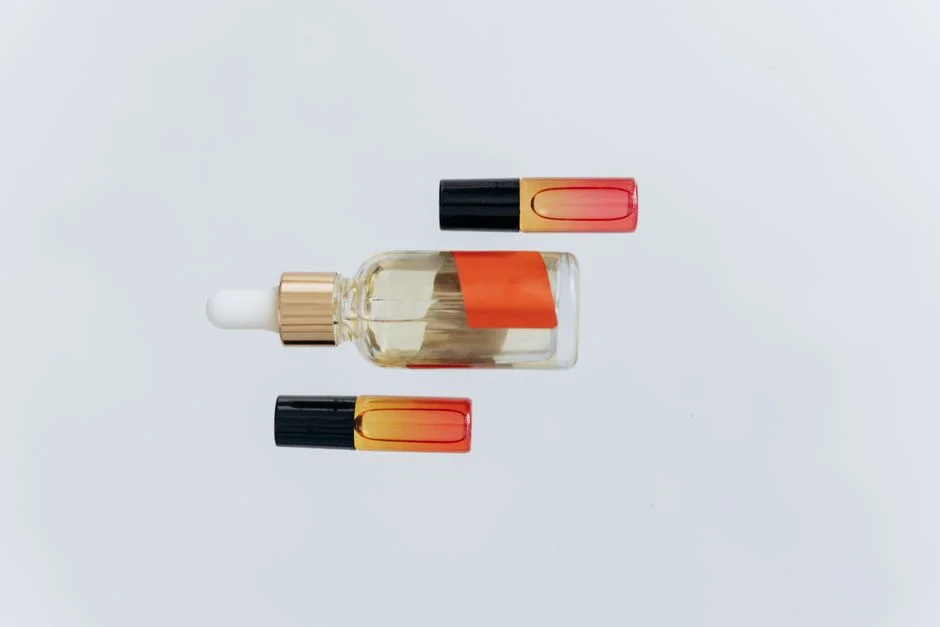
The alternative emerged organically: build products that people talk about, then let that conversation spread. In a country where personal recommendations carry enormous weight, especially for products applied close to the skin, this approach has proven surprisingly effective for brands operating on tight budgets.
How Recommendations Travel Through Communities
In Nigerian social circles, a single positive review from a respected voice can generate more sales than a month of paid advertising. Beauty influencers in cities like Abuja and Port Harcourt have become powerful connectors, sharing their experiences with fragrances at gatherings, places of worship, and workplaces.
Vendors at Balogun Market, Lagos's largest textile hub, report that customers frequently arrive already knowing exactly which scents they want after hearing about them from friends or relatives. This pattern has given newer brands a roadmap: invest in product quality first, then trust customers to do the marketing work.
The Role of Social Media Amplification
While word of mouth begins in person, digital platforms have accelerated its reach. WhatsApp groups dedicated to beauty and personal care now function as informal recommendation engines, with members sharing photographs of perfume bottles and asking for opinions before purchasing.
Instagram accounts focused on Nigerian-owned fragrances have gathered thousands of followers, effectively serving as modern marketplaces where discovery happens through peer posts rather than sponsored content.
Quality Control Becomes Non-Negotiable
The word-of-mouth model places intense pressure on product consistency. Unlike paid campaigns that can mask mediocre offerings behind flashy visuals, a brand surviving on reputation cannot afford batches that disappoint. Several entrepreneurs confirmed that they conduct multiple rounds of testing before releasing any new scent.
This approach has also influenced how ingredients are sourced. Brands that once imported synthetic blends have shifted toward locally grown materials, a move that resonates with customers who value authenticity and helps differentiate products in an increasingly crowded market.
Survival Rates and the Testing Ground
Industry observers note that the fragrance sector in Nigeria has seen rapid entry and exit. Some brands disappear within months when customer feedback turns negative. Others, however, establish loyal followings that sustain them for years without ever spending a significant amount on advertising.
The difference often comes down to how founders respond to criticism. Those who address concerns publicly and visibly tend to retain trust, while those who ignore complaints find their reputations damaged beyond recovery in tightly connected communities.
What Comes Next for New Entrants
Looking ahead, the word-of-mouth model faces its own challenges. As more brands adopt similar strategies, distinguishing quality becomes harder for first-time buyers. Some entrepreneurs are experimenting with sampling programmes, distributing small bottles at events and retail locations so that the physical experience precedes any verbal recommendation.
Ahead of the holiday season, several Lagos-based fragrance houses plan to host intimate launch events where customers can test products and interact directly with the creators. The hope is that these personal connections will generate the kind of enthusiasm that translates into sustained word-of-mouth promotion. Readers interested in supporting Nigerian-owned businesses should watch how these brands balance authenticity with scalability in the months ahead.
See Also
- PCP Remembers Vítor Dias: A Legacy of Leadership and Impact
- Aventon Current ADV Electric Mountain Bike Review: Feels Just Like the Real Thing
Others, however, establish loyal followings that sustain them for years without ever spending a significant amount on advertising.The difference often comes down to how founders respond to criticism. Brands that once imported synthetic blends have shifted toward locally grown materials, a move that resonates with customers who value authenticity and helps differentiate products in an increasingly crowded market.Survival Rates and the Testing GroundIndustry observers note that the fragrance sector in Nigeria has seen rapid entry and exit.