India is rapidly accelerating efforts to reroute billions of dollars in trade away from traditional Gulf passages through Oman, as conflict involving Iran forces shipping companies to reconsider one of the world's most critical maritime corridors. The shift is pushing New Delhi toward East African infrastructure, with Tanzania's ports and railways increasingly central to India's supply chain strategy.
War Forces India's Hand
For decades, the Strait of Hormuz — the narrow waterway separating Oman from Iran — has served as the backbone of India's trade with West Asia and beyond. Roughly 40 percent of India's crude oil imports and a substantial portion of its manufactured exports transited through these waters annually. The escalating conflict involving Iran has introduced unacceptable risk for insurers and ship owners, triggering an industry-wide rethink of routing.
On Tuesday, India's Ministry of Commerce confirmed that preliminary discussions with Tanzania and South Africa had progressed to formal stage. Officials told reporters the government was in active negotiations to expand capacity at Dar es Salaam port, Tanzania's largest maritime facility, and to increase freight rail access to landlocked regional markets.
Tanzania's Port Infrastructure Takes Centre Stage
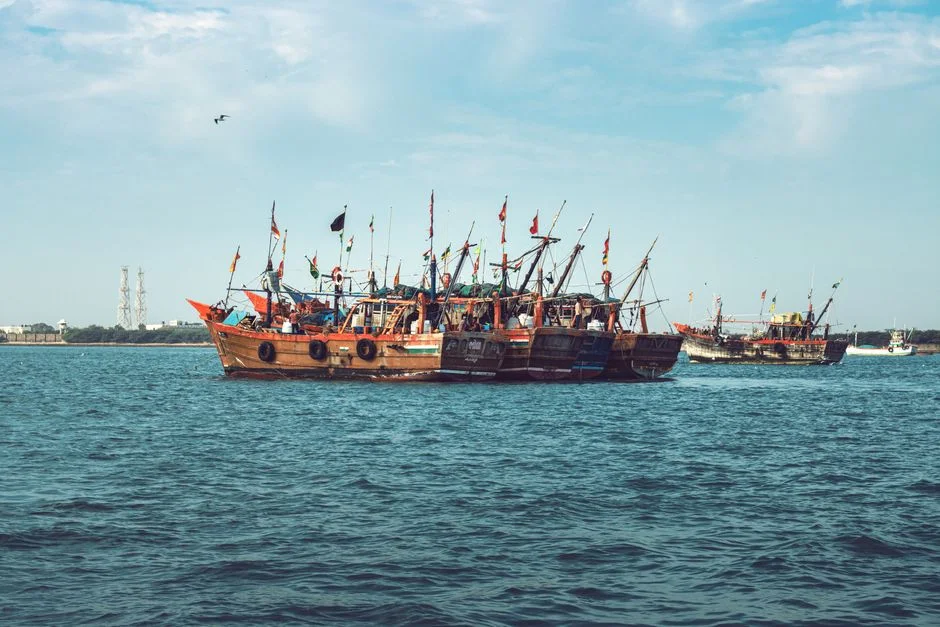
Dar es Salaam has quietly built its credentials as an Indian Ocean freight hub over the past decade. The port handled approximately 17 million tonnes of cargo last year, according to Tanzania Ports Authority data, with container throughput growing at an average of 8 percent annually. Tanzania's government has invested heavily in deeper berths and expanded storage capacity specifically targeting the dry bulk and container markets that India requires.
The Central Corridor railway, linking Dar es Salaam to Rwanda, Burundi, and Uganda, offers India a viable overland route to reach East and Central African consumers without Gulf exposure. Indian logistics firms have already begun chartering additional warehouse space near the port, according to two industry executives with knowledge of the matter.
South Africa Enters the Calculation
While Tanzania features most prominently in India's near-term plans, South Africa represents a longer-term strategic option. Durban port, on Africa's Indian Ocean coast, offers the deepest natural harbour in sub-Saharan Africa and established container handling capabilities. Trade analysts note that South Africa's participation in the Indian Ocean Rim Association creates institutional frameworks that could accelerate any Indian partnership.
Indian shipping companies have not ruled out southern African routing for certain cargo categories, though distances from major Indian ports to Durban are roughly double those to Dar es Salaam. Cost and transit time remain significant obstacles for routine commercial freight.
Economic Stakes for Indian Exporters
India's total trade with West Asian partners exceeds $500 billion annually, with crude oil imports forming the largest single component. A sustained disruption to Gulf shipping lanes would ripple through India's manufacturing sector, driving up input costs for petrochemical industries and inflating retail prices for consumers across the subcontinent.
Exporters of textiles, pharmaceuticals, and engineering goods face particular pressure. Several major textile associations have publicly urged the government to accelerate port development agreements with Tanzania, warning that extended routing adds 15 to 20 percent to logistics costs for time-sensitive shipments.
What Comes Next
Indian officials are scheduled to meet Tanzanian counterparts in Nairobi next month for a joint trade committee session. A formal memorandum of understanding covering port access and customs facilitation is expected to be signed during the talks. Industry observers will watch whether specific infrastructure financing commitments accompany any agreement, as Indian Exim Bank has previously funded port upgrades in East Africa totalling several hundred million dollars.
Shipping insurance premiums for Gulf transits will likely determine how quickly the shift accelerates. If premiums remain elevated through the second quarter, analysts expect a structural rerouting that could persist long after any ceasefire in the Iran-related conflict.
See Also
- Tamil Nadu Election Shakeup Forces Stalin Out — What It Means for Africa
- Four Labour Activists Charged Over Alleged Vote Rigging in London
What is the latest news about indias oman trade routes in crisis tanzania emerges as gulf alternative?
Why does this matter for politics-governance?
What are the key facts about indias oman trade routes in crisis tanzania emerges as gulf alternative?