Eskom, South Africa's embattled state power utility, has drawn sharp criticism for its handling of Independent Power Producer curtailments, with industry groups raising alarm over alleged conflicts of interest and a deepening cash flow crisis that threatens future investment in the country's energy sector.
Industry Groups Sound the Alarm
The South African Renewable Energy Council (SAREC) and the Independent Power Producers Association have formally contested Eskom's curtailment practices, arguing that the utility is prioritizing its own generation assets over privately owned renewable projects. The groups submitted formal objections to the energy regulator, claiming that Eskom's actions breach agreed-upon dispatch protocols and undermine investor confidence in the country's energy market.
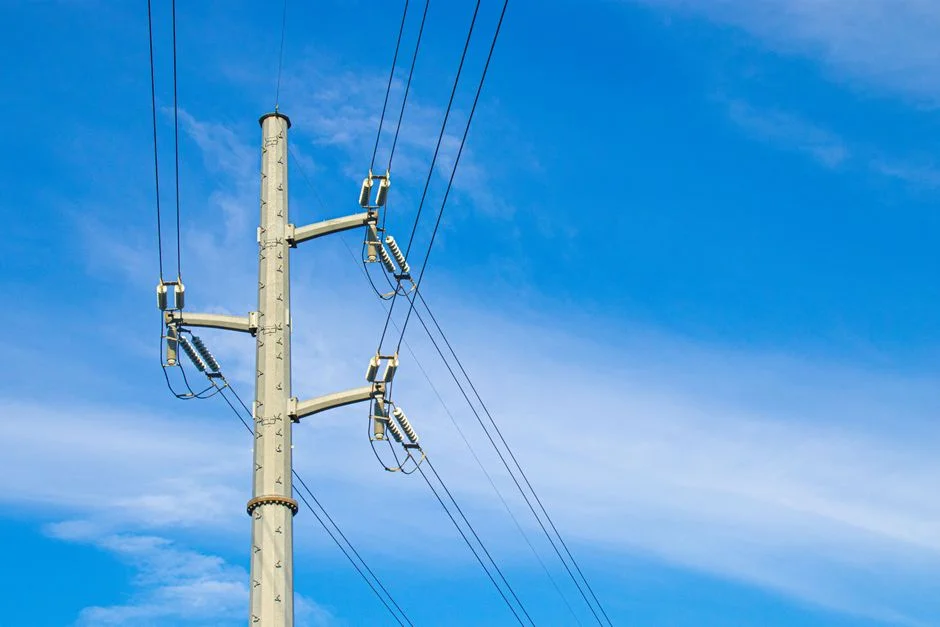
At the heart of the dispute is how Eskom manages periods of grid constraint. When the national grid faces oversupply or technical limitations, power from Independent Power Producers is among the first to be reduced. Industry sources argue that Eskom applies these curtailments unevenly, shielding its own coal-fired stations while disproportionately cutting renewable output. The practice has intensified as Eskom grapples with financial pressures that have pushed the utility deeper into debt.
Cash Flow Pressures Drive Dispatch Decisions
Eskom's financial position remains precarious. The utility has accumulated significant debt while struggling to maintain its aging fleet of coal plants, many of which operate below designed capacity. Industry analysts note that Eskom's cash flow constraints create structural incentives to favour its own generation capacity, even when independent producers could supply power more reliably and at competitive rates.
Sources within the renewable energy sector say Eskom's curtailment decisions have accelerated over the past twelve months, coinciding with a period of heightened financial strain. Several large-scale solar and wind projects have reported output reductions exceeding their contractual allowances, eroding project revenues and raising concerns among lenders financing these developments.
The Regulatory Gap
The conflict of interest concern centres on Eskom's dual role as both grid operator and dominant power generator. The utility controls the transmission infrastructure that Independent Power Producers rely on to deliver electricity to the national grid. Critics argue this arrangement creates an inherent conflict, where Eskom's commercial interests can influence technical dispatch decisions without adequate oversight.
The energy regulator has yet to issue a definitive ruling on the curtailment methodology. Stakeholders are pushing for clearer dispatch rules and compensation mechanisms that would apply when Independent Power Producers are forced to reduce output for grid management purposes rather than technical failures on their end.
Grid Expansion Delays Compound the Problem
Eskom's transmission network expansion has lagged behind the growth of private generation capacity, particularly in provinces like Northern Cape and Eastern Cape where large-scale solar and wind farms have connected to the grid. The utility has acknowledged that transmission constraints in these regions are contributing to curtailment volumes, but grid upgrade timelines remain subject to funding availability and internal capacity challenges.
The connection queue for new generation projects has grown substantially, with developers facing extended waits for grid access studies and infrastructure upgrades. Industry representatives say the delays add to project costs and deter international investment at a time when South Africa is seeking to diversify its energy mix away from coal dependency.
Implications for South Africa's Energy Transition
The curtailment controversy arrives as South Africa navigates a critical phase in its energy transition planning. The government has committed to retiring several coal-fired power stations and expanding renewable capacity under its Just Energy Transition Investment Plan. However, investor appetite depends on regulatory certainty and fair treatment within the dispatch framework.
International climate finance linked to the transition deal includes provisions for new renewable generation, but financiers have flagged dispatch practices and curtailment risk as factors that could affect funding approvals for future project rounds. South Africa's ability to attract capital will hinge on demonstrable progress in resolving these governance concerns.
The renewable energy sector has created thousands of jobs across construction, operations, and maintenance, with projects concentrated in rural areas where employment alternatives are limited. Continued curtailment without transparent compensation could slow deployment and jeopardise these employment gains.
Path Forward Remains Unclear
Eskom officials have defended the utility's curtailment approach, citing grid stability requirements and the technical realities of integrating variable renewable generation. The utility has also pointed to transmission capacity constraints as a legitimate factor in dispatch decisions.
Negotiations between Eskom, the energy regulator, and Independent Power Producer groups are ongoing, but a resolution has yet to emerge. Industry observers say the stakes are high: prolonged uncertainty could deter the next round of renewable energy procurement, leaving South Africa dependent on an aging coal fleet that continues to underperform.
What happens next will likely be shaped by regulatory rulings expected later this year and Eskom's progress in securing additional funding for grid infrastructure upgrades. The coming months will test whether South Africa's energy institutions can establish the credibility needed to sustain private investment in its power sector.
See Also
- Africa Today Reveals $4.2 Trillion Growth Gap for 2026
- Canyon Spectral Launches Under-$5K Bike to Boost Nigeria's Green Mobility