Vinicius Jr scored a stunning late winner against Colombia on Tuesday, rescuing Brazil from a damaging defeat in World Cup qualifying and sending the Maracana crowd into raptures. The Real Madrid forward's 89th-minute strike handed the Selecao a 2-1 victory that keeps their qualifying campaign on track. Yet the manner of the escape has sparked an uncomfortable debate: is individual brilliance from one player masking a deeper structural crisis in Brazilian football?
A Match Saved by One Moment of Magic
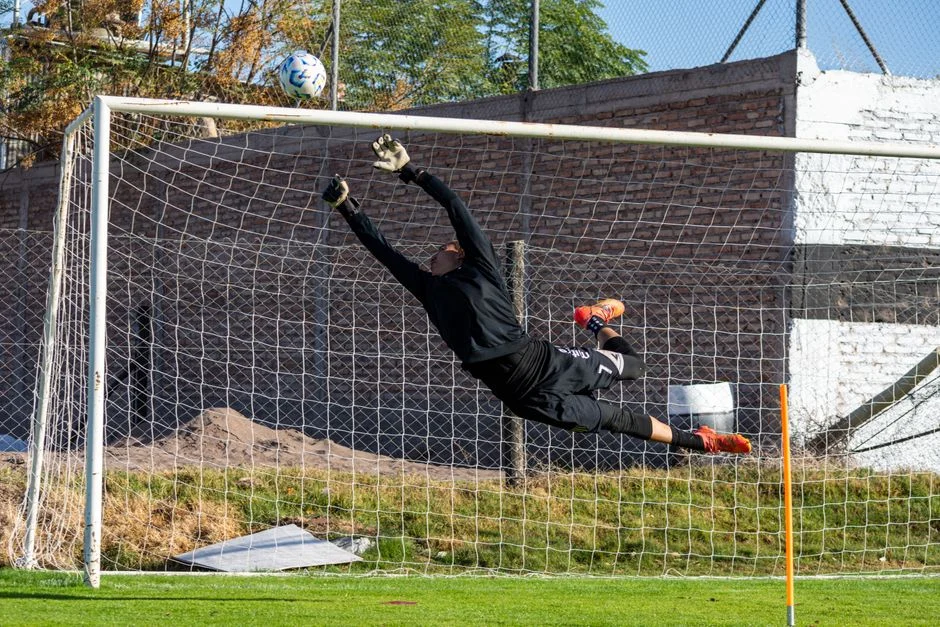
The match at the Maracana stadium in Rio de Janeiro had looked set for disappointment. Colombia took an early lead through a well-worked team goal, and Brazil struggled to break down a disciplined defensive shape. The home side dominated possession but created little of genuine quality until the closing stages. Vinicius Jr changed that. Collecting the ball on the left flank, he cut inside two defenders and curled a shot into the far corner with his weaker right foot. The stadium erupted. The goal was his fifth in this qualifying campaign, making him Brazil's top scorer in their bid to reach the 2026 World Cup.
For 87 minutes, Brazil had looked flat, predictable, and devoid of ideas. One piece of skill rewrote the narrative entirely. Head coach Dorival Junior praised the forward's character after the match, calling the strike "a moment of class that separates good players from great ones." Yet even as celebrations continued, a quieter concern circulated among supporters and analysts watching from the stands.
The Man Carrying Brazilian Hopes
Vinicius Jr has become indispensable to this Brazil side. At 24, he carries expectations that once belonged to Neymar, who remains sidelined through injury. The forward has directly contributed to 12 of Brazil's 18 goals in their last eight competitive matches. When he plays well, Brazil win. When he struggles, as he did in a defeat to Uruguay last month, the entire attacking unit collapses. This dependence on a single player is not sustainable, former Brazil defender Cafu said in a radio interview this week. Teams cannot build a qualification campaign around one man.
Signs of Deeper Structural Problems
Beyond Vinicius Jr, the evidence of cracks is harder to ignore. Brazil have won only three of their last eight World Cup qualifiers. Their midfield has lacked creativity, with players struggling to link defence and attack effectively. The defence has shipped goals against teams that rarely trouble top-tier South American sides. Set-piece vulnerabilities have cost them points. Local media outlet Globo Esporte published statistics showing Brazil have conceded first in six of their last ten competitive matches, a pattern that points to organisational problems rather than bad luck.
The pipeline of young talent that once made Brazil the envy of world football has also slowed. Several promising forwards have failed to make the step up to international level. The domestic league, while competitive, is not producing the same calibre of player it did a decade ago. These are not new concerns, but they are becoming harder to dismiss as growing pains.
Morocco's Model Stands in Contrast
The comparison to Morocco is uncomfortable for Brazilian supporters. Where Brazil leans heavily on one star, Morocco have built a squad capable of competing without relying on a single player. The Atlas Lions reached the World Cup semi-finals in 2022 and the AFCON final this year despite losing key figures to injury. Their depth, tactical discipline, and squad cohesion have made them one of the strongest teams in Africa and a model for how nations can build competitive teams without superstars in every position. Morocco defeated Brazil in a friendly last year, exposing gaps that Tuesday's late victory did not truly address.
The gap between the two nations is narrowing on the pitch, and not in Brazil's favour. Morocco's success stems partly from strategic investment in youth development and coaching infrastructure. Brazil, by contrast, has seen funding cuts to grassroots programmes and declining standards in youth academies. The consequences are beginning to show at senior level.
Coaching Uncertainty Clouds the Picture
Dorival Junior took charge in January, replacing Fernando Diniz after a poor start to qualifying. His tenure has shown flashes of improvement but not consistent progress. He has experimented with formations and selection, sometimes blooding young players and sometimes returning to experienced faces who have underperformed. The lack of a clear tactical identity has been a recurring criticism. Brazilian Football Confederation officials have publicly backed the coach, but qualifying results will determine his long-term future. With half the campaign still to play, Brazil sit fourth in the standings, outside the automatic qualification places.
What Comes Next for the Selecao
Brazil travel to face Paraguay in their next qualifier on September 5. A win would ease pressure on the squad and coaching staff. A defeat would renew questions about whether Vinicius Jr's heroics are papering over problems that will eventually crack under the weight of expectation. The fixtures that follow include clashes with Argentina, Uruguay, and Colombia again. The schedule offers no easy passages. The next international break will reveal whether Tuesday's dramatic win was a turning point or simply a temporary reprieve.
Vinicius Jr will almost certainly be central to whatever unfolds. The question is whether those around him can finally step up and share the burden. If they cannot, Brazil's journey to the 2026 World Cup may end not with a whimper, but with the realisation that one extraordinary player was never enough to carry an entire nation.
See Also
- Bezzecchi Claims Brazil Victory, Boosts MotoGP Momentum
- South Africa's Military Deployment in Lesotho Reveals Initial Successes - But Challenges Loom
These are not new concerns, but they are becoming harder to dismiss as growing pains.Morocco's Model Stands in ContrastThe comparison to Morocco is uncomfortable for Brazilian supporters. The Atlas Lions reached the World Cup semi-finals in 2022 and the AFCON final this year despite losing key figures to injury.