BMW South Africa's network of component suppliers anchored in the Soshanguve industrial zone is undergoing significant restructuring, according to industry sources familiar with the matter. The changes affect dozens of local manufacturers who produce parts for the automaker's assembly plant in Rosslyn, Pretoria. Officials at BMW South Africa declined to specify which components face reduced orders, citing commercial sensitivity.
Local Suppliers Receive Notice of Contract Reviews
Suppliers operating within a 50-kilometre radius of the Rosslyn plant began receiving formal correspondence from BMW procurement offices last month. The communications outlined upcoming reviews of supply agreements that have been in place for several years. Three Soshanguve-based manufacturers confirmed receipt of the notices but requested their names be withheld pending ongoing negotiations. The Gauteng Provincial Government acknowledged it has fielded inquiries from affected businesses about potential support mechanisms.
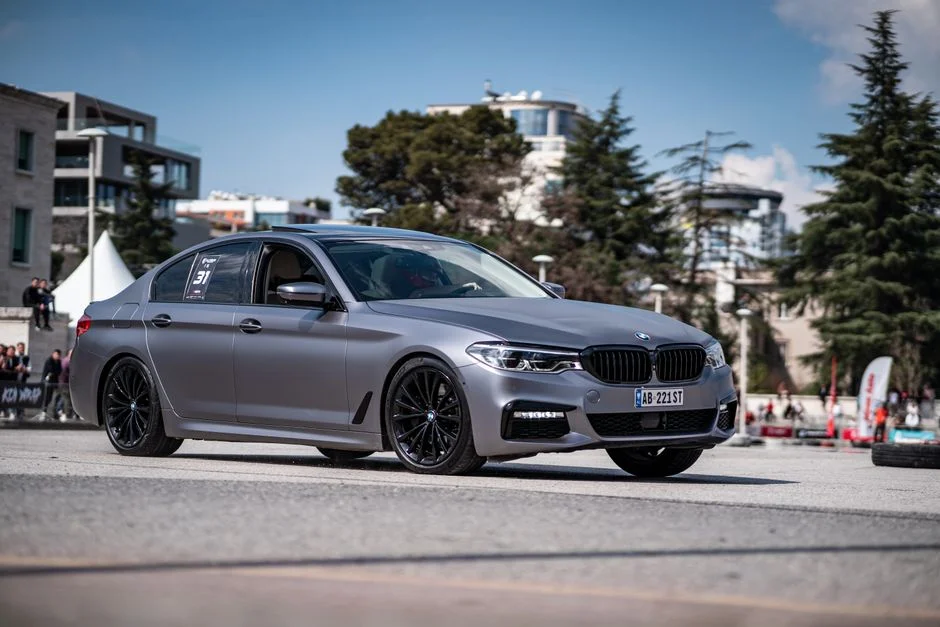
Rosslyn Plant Output and Employment Figures
The Rosslyn facility, operational since 1968, currently employs approximately 3,500 workers on its production lines. Annual output stands at roughly 70,000 vehicles, with models including the BMW X3 and 3 Series variants destined for domestic sale and export to African markets. The plant serves as BMW's sole African manufacturing hub and ranks among the largest private-sector employers in Gauteng's industrial corridor. Local content requirements under South Africa's automotive production programme mandate that at least 60 percent of components sourced for vehicles assembled domestically originate from local suppliers.
Economic Ripple Effects in Gauteng
The automotive sector contributes approximately 6 percent to South Africa's gross domestic product, with component manufacturing forming the backbone of that figure. Soshanguve's proximity to Rosslyn has made it a critical node in the supply chain, with smaller township enterprises dependent on BMW contracts for survival. Industry analysts estimate the automaker's local supply chain supports between 8,000 and 12,000 indirect jobs across the province. Any contraction in orders would reverberate through logistics firms, raw material providers, and small-scale workshops that depend on component production work.
Industry Context and Competitive Pressures
Global automotive manufacturers are consolidating supplier bases to reduce costs and meet shifting demand patterns for electric vehicles. BMW has committed to expanding its electric model lineup across all production regions by 2030. That transition requires different component specifications, favouring battery and electronics suppliers over traditional powertrain manufacturers. South Africa's automotive industry master plan acknowledges these pressures and includes incentives designed to help local suppliers retool for electric vehicle component production.
Government and Union Responses
The Department of Trade, Industry and Competition confirmed it is monitoring the situation through its Automotive Production Development Programme monitoring unit. A ministry spokesperson told reporters the government stands ready to facilitate retraining and tooling upgrade support for qualifying suppliers. The National Union of Metalworkers of South Africa expressed concern about potential job losses, calling for transparency from BMW South Africa regarding its long-term production intentions for Rosslyn. Union officials are scheduled to meet with management representatives in coming weeks.
Supplier Adaptation and Future Prospects
Some Soshanguve manufacturers have already begun diversifying client bases to reduce reliance on any single automaker. A representative for one mid-sized component producer told local media the firm has invested in equipment capable of producing parts for electric vehicle platforms. Others remain uncertain about their strategic options, particularly smaller operations lacking capital for significant retooling. BMW South Africa's procurement team has indicated it will host a supplier summit in the third quarter to outline qualification requirements for future component categories.
What Comes Next
BMW South Africa is expected to announce its revised supplier panel for the 2025 production year before the end of the current quarter. Suppliers not selected for renewed contracts will have a transition period to seek alternative customers. The Automotive Industry Export Council plans to facilitate introductions between displaced suppliers and export markets in North and East Africa where automotive assembly sectors continue expanding. Industry observers will be watching for signs of how many Soshanguve-area firms secure positions in BMW's updated supply structure.
See Also
- South Africa Shatters EV Charging Record — What Nigeria Must Watch
- South Africa Unveils New Criminal Tactic Targeting Taxpayer Bank Accounts
The National Union of Metalworkers of South Africa expressed concern about potential job losses, calling for transparency from BMW South Africa regarding its long-term production intentions for Rosslyn. Others remain uncertain about their strategic options, particularly smaller operations lacking capital for significant retooling.