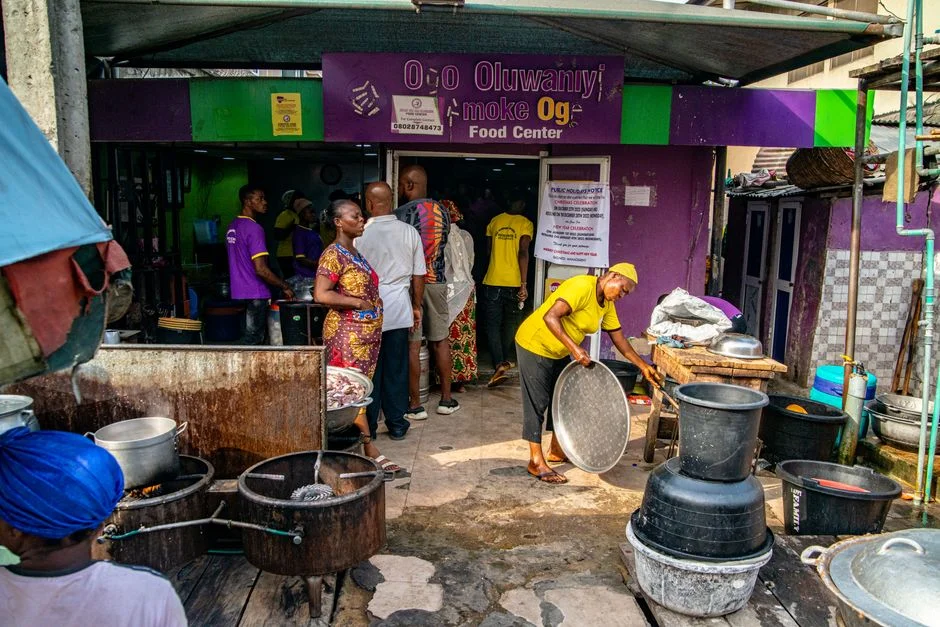
Hundreds of foreign nationals have fled their homes in South Africa following a wave of mob attacks that targeted shops, vehicles, and residences belonging to foreigners. The violence has left streets deserted in affected areas and prompted emergency responses from community leaders and authorities.
Violence Erupts Across Multiple Areas
The attacks began in late April, according to local media reports, spreading rapidly through communities where foreign-owned businesses operate. Witnesses described scenes of chaos as mobs destroyed property and forced families to evacuate with little more than the clothes on their backs. Vanguard News documented the destruction across several neighbourhoods, showing burned-out stalls and shattered windows.

In the township of Alexandria, east of Johannesburg, at least 40 foreign families abandoned their homes overnight. Community activists said shops belonging to Somali, Ethiopian, and Pakistani traders were specific targets. The South Africa Hundreds movement, which has organised previous anti-foreigner protests, denied involvement in the latest attacks but acknowledged frustrations among local residents over economic competition.
Survivors Recount Terrifying Escapes
One Somali shopkeeper, who declined to give his name, told reporters he watched his inventory burn while fleeing with his children. "They chased us away like dogs," he said, describing how a crowd surrounded his building before setting it alight. He estimated his losses at more than 50,000 rand in merchandise and equipment.
A Ethiopian woman sheltering at a community centre near Durban described a similar ordeal. She said her family had lived in the same neighbourhood for seven years without incident until this month. The attackers, she told local media, accused foreigners of stealing local jobs and customers. She has since registered with the United Nations High Commissioner for Refugees office in Pretoria, seeking assistance for potential relocation.
Economic Tensions Fuel the Crisis
South Africa has long struggled with unemployment rates exceeding 30 percent, creating fertile ground for resentment against foreign workers who operate informal businesses. The country hosts millions of migrants from neighbouring Zimbabwe, Mozambique, and Somalia, many of whom work in sectors that South Africans avoid due to low wages or perceived health risks.
Local business owners in affected areas confirmed that foreign traders often charge lower prices, undercutting South African competitors. A spaza shop owner in Soweto said she understood why people were angry but condemned the violence. "We all need to eat," she told reporters. "Burning each other's shops does not put food on anyone's table."
Government Response Draws Criticism
The South African Police Service deployed additional officers to volatile areas following the outbreak of violence. However, critics say the response has been slow and inadequate. The Ministry of Police issued a statement urging calm and promising investigations into the attacks, but no arrests had been announced as of this week.
Human rights organisations have demanded stronger action. The Southern African Development Community issued a rare public statement expressing concern over the safety of nationals from member states. Several embassies in Pretoria have advised their citizens to exercise caution and avoid areas with large concentrations of foreign-owned businesses.
Regional Implications for Development Goals
The violence poses a significant challenge to African Union ambitions of free movement across the continent under the African Continental Free Trade Area agreement. When migrants cannot operate safely in member countries, the economic integration that AfCFTA promises becomes harder to achieve. South Africa, as the continent's most industrialised economy, plays a central role in that vision.
Development specialists note that the xenophobic attacks undermine investment confidence and deter the skilled migration that African economies desperately need. A businessman considering operations in Johannesburg told the Financial Mail that the images of burned foreign businesses would factor into his calculations. "People talk about Africa rising," he said. "Incidents like this make it harder to believe."
What Happens Next
Community leaders in affected areas have called for dialogue sessions to defuse tensions before the violence spreads further. The South Africa Hundreds movement announced a meeting for next week with local councillors and foreign community representatives. Whether that dialogue produces lasting solutions remains uncertain.
For the hundreds of displaced families, the immediate priority is shelter and security. Aid organisations are distributing basic supplies, but long-term solutions require political will and economic opportunity that South Africa's current climate struggles to provide. Watch for developments from the Pretoria cabinet meeting scheduled for later this month, where officials have promised a response to the crisis.
See Also
- Observador Launches General Update Amid Rising Public Demand
- Oby Ezekwesili Exposes Deficiencies in Nigeria's Democratic Practices